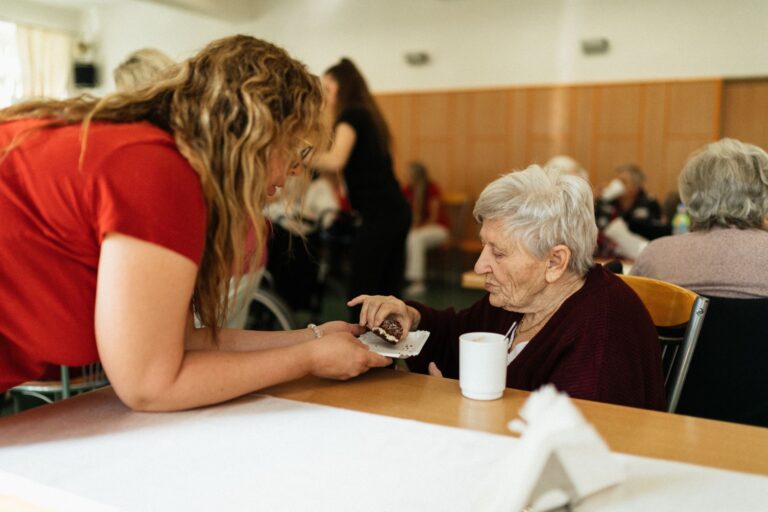
Ask an elder-law attorney which VA path fits dementia care in your family. An elder-law attorney is a lawyer focused on aging, disability, and care costs, and the right questions sort pension, compensation, nursing-home, and caregiver options.
Start with daily needs, service history, income, and assets. The attorney can then match those facts to VA health care, pension, disability, and caregiver programs. Bring medication lists, care schedules, and recent VA letters to make that first visit useful.
Medical information disclaimer: This article is for general educational purposes only and does not provide medical advice, diagnosis, or treatment. Always consult a physician or other qualified health professional about symptoms, medications, tests, or treatment decisions.
Table of Contents
- Which VA path fits our dementia situation?
- What does Aid and Attendance actually require?
- Will VA pay for nursing-home or family care?
- Could dementia link to service-connected disability?
- What should we bring to the attorney?
Which VA path fits our dementia situation?
Ask whether to pursue VA health care, needs-based pension, or disability compensation. These paths have different entry rules and serve different families. According to the U.S. Dept.
of Veterans Affairs Geriatrics and Extended Care, its dementia system includes Home Based Primary Care, homemaker and home health aide help, respite, adult day health care, outpatient and inpatient care, nursing home, palliative, hospice, and caregiver support VA Geriatrics and Extended Care page. Ask which door matches your veteran. According to the VA Pension Basics FAQ, wartime veterans age 65 or older or with permanent total non-service-connected disability and limited income and net worth may qualify for needs-based pension. Compensation is different because it turns on service connection, not income.
What does Aid and Attendance actually require?
Ask if Aid and Attendance fits, and if Housebound would be better. According to VA Pension on Aid and Attendance and Housebound, Aid and Attendance adds to pension when the veteran needs help with bathing, feeding or dressing, is bedbound by illness, is in a nursing home for mental or physical disability, or has 5/200 vision or less VA Aid and Attendance and Housebound page.
Ask about two limits before you plan around it. According to the same VA pension source, a claimant cannot receive Aid and Attendance and Housebound at the same time. Aid and Attendance also requires first qualifying for basic VA pension.
Will VA pay for nursing-home or family care?
Ask when VA must pay for nursing-home care. According to the VA Community Nursing Home Program directive, veterans with a single or combined service-connected rating of 70% or greater, or who need nursing-home care for a service-connected disability, have mandatory eligibility when care is clinically needed. Ask the attorney to check rating level, reason for placement, and medical need together.
Ask if the family caregiver program applies. According to VA Family Caregiver Benefits, the comprehensive program requires a 70% or higher disability rating, need for at least six months of continuous in-person care, and VA health care enrollment. An approved primary caregiver receives a monthly stipend paid directly plus at least 30 days of respite yearly.
Could dementia link to service-connected disability?
Ask whether dementia could be secondary to an existing service-connected condition. According to VA Board of Veterans' Appeals decision A25011975 from Feb. 10, 2025, dementia was granted as secondary when medical evidence linked it to service-connected disabilities.
That route affects disability compensation rather than pension. Ask what medical proof would support that link. The key is a clear opinion tying dementia onset or worsening to the service-connected condition. Ask the attorney whether to develop that claim before, after, or alongside a pension application.
What should we bring to the attorney?
Ask what counts for income, net worth, and transfers. According to Dementia In Home Care, updated Oct. 31, 2026, VA pension uses a net worth limit of $163,699 for Dec.
1, 2025 through Nov. 30, 2026, a three-year asset-transfer lookback, and countable income below the Maximum Annual Pension Rate Dementia In Home Care aid and attendance guide. Bring records that let the attorney test those rules fast:.
- discharge papers, VA rating letters, and health-care enrollment status
- monthly income, account statements, property deeds, and recent transfers
- care notes showing help with bathing, dressing, feeding, safety, or supervision, plus nursing-home records and VA Forms 21P-527EZ, 21-2680, and 21-0779 where relevant