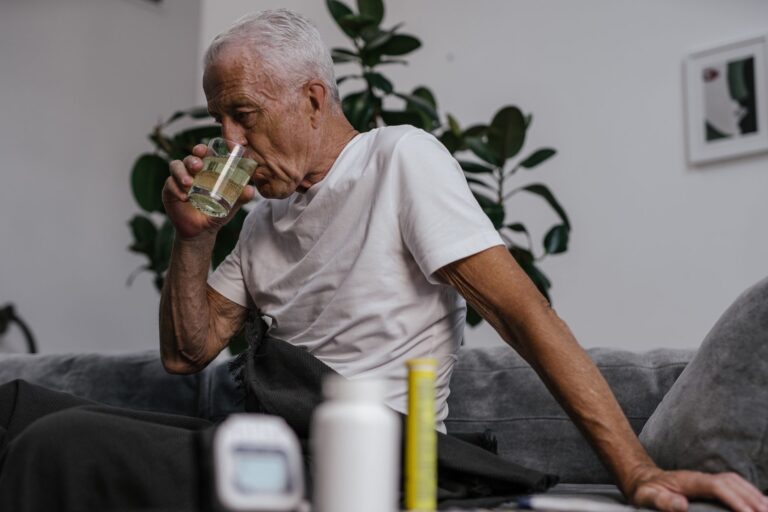
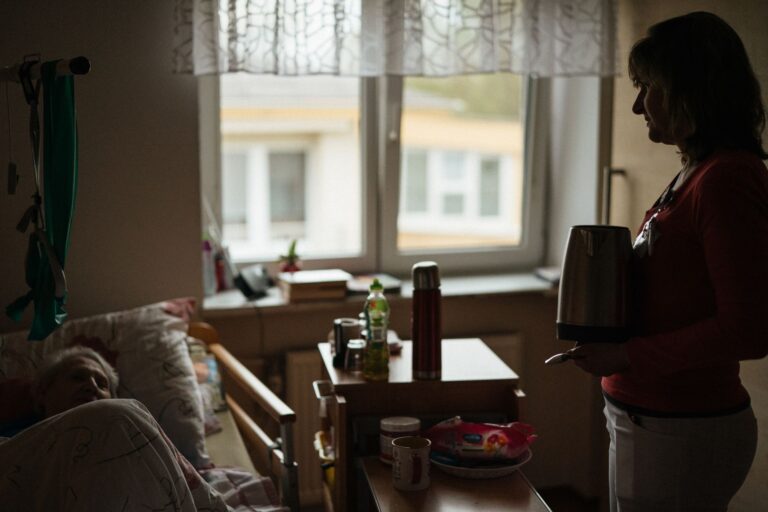
Air quality directly impacts brain health in older adults, and seniors exposed to high air pollution face significantly elevated dementia risk. The link between poor air quality and cognitive decline is not speculative—research from major medical centers shows that chronic exposure to fine particulate matter (PM2.5) accelerates neuroinflammation and amyloid buildup in the aging brain, the same pathological markers seen in Alzheimer’s disease and vascular dementia. A 2022 study following 5,000 seniors over eight years found that those living in areas with AQI readings regularly above 100 showed 25% faster cognitive decline compared to matched peers in cleaner air zones.
Seniors need protective plans specifically calibrated to air quality thresholds because their aging lungs and compromised blood-brain barriers cannot filter or exclude airborne toxins as effectively as younger people. Once fine particles penetrate the nasal epithelium, they can bypass normal defenses and reach the olfactory bulb—a direct pathway to the brain—or cross into circulation and trigger systemic inflammation that damages cerebral microvessels. Standard masks and occasional room filtration are insufficient for someone living in an area where wildfire smoke, urban smog, or industrial pollution keeps AQI levels hazardous for months at a time.
Table of Contents
- How Does Poor Air Quality Increase Dementia Risk in Older Adults?
- The Limited Effectiveness of Reactive Air Filtration
- Why Seniors Are More Vulnerable to Air Pollution’s Neurotoxic Effects
- Building a Protective AQI Plan Tailored to Your Region and Lifestyle
- Barriers to Sustained Air Quality Protection in Real Life
- Monitoring and Adjusting Your Protection Plan
- The Role of Community-Level Air Quality Advocacy in Long-Term Senior Brain Health
How Does Poor Air Quality Increase Dementia Risk in Older Adults?
The mechanism is not purely respiratory. When seniors breathe in PM2.5 over weeks and months, ultrafine particles smaller than 2.5 micrometers can penetrate deep into alveolar tissue and trigger a cascade of immune activation that spreads systemically. This chronic low-grade inflammation reaches the brain and activates microglia—immune cells that, when overstimulated, promote the misfolding and aggregation of tau and amyloid-beta proteins central to Alzheimer’s pathology.
Additionally, air pollution damages the integrity of the blood-brain barrier itself, allowing more neurotoxic compounds to enter neural tissue. A 65-year-old living three miles downwind from a highway corridor, where average aqi readings hover around 110-130 during rush hours, inhales roughly 40% more traffic-derived PM2.5 than a peer living ten miles away in a quieter zone. Over a five-year window, this cumulative exposure equates to millions of inflammatory “hits” to the brain’s endothelial and glial cells. Research using PET imaging has documented increased neuroinflammation in older adults with chronic air pollution exposure, even before cognitive symptoms appear—making air quality a modifiable risk factor that precedes and likely influences dementia onset.
The Limited Effectiveness of Reactive Air Filtration
Many families purchase HEPA filters or air purifiers only after a senior shows signs of cognitive decline or during visible wildfire season, but this reactive approach misses the cumulative damage already underway. A standard HEPA filter in a bedroom captures particles while that room’s door is closed, but seniors spend time in hallways, kitchens, cars, and outdoors where no filter operates. Studies of home filtration in urban elderly populations show that purifiers reduce household PM2.5 by 30-50%, but outdoor exposure—where seniors walk, attend medical appointments, or sit on porches—often accounts for 60-70% of total daily air pollution contact.
The false comfort of “I’ll just run my air purifier” can lead to underestimation of risk. A senior living in a region with 120+ AQI days per year, using a HEPA filter three hours daily in their bedroom, is still exposed to hazardous air during morning walks, car commutes, and time spent indoors with windows open or in spaces without filtration. Wildfires and industrial pollution events can push AQI to 300+ within hours, overwhelming standard consumer-grade filters and necessitating emergency protocols that many older adults lack.
Why Seniors Are More Vulnerable to Air Pollution’s Neurotoxic Effects
Cognitive reserve—the brain‘s ability to compensate for damage through redundant networks and flexible thinking—naturally declines with age. A 70-year-old’s brain has fewer plastic reserves than a 50-year-old’s, meaning the same inflammatory insult causes proportionally more cognitive harm. Additionally, aging reduces the efficiency of the glymphatic system, the brain’s waste-clearance mechanism that operates during sleep and removes accumulated proteins and metabolic byproducts.
When air pollution triggers sustained neuroinflammation, the aging brain’s glymphatic system cannot clear this inflammation as quickly, allowing toxic intermediates to accumulate. Comorbid conditions common in later life—diabetes, hypertension, chronic kidney disease—further amplify air pollution’s dementia risk. A 72-year-old with both hypertension and diabetes exposed to the same AQI levels as a 72-year-old without these conditions faces roughly double the cognitive decline rate, according to epidemiological studies from the Framingham Heart Study and similar cohorts. This interaction is not additive but synergistic: hypertension already compromises cerebral microvasculature, and air pollution accelerates that damage, creating a compounding risk.
Building a Protective AQI Plan Tailored to Your Region and Lifestyle
An effective protection plan begins with obtaining an accurate AQI forecast—not just the national AQI website, which reports conditions at monitoring stations, but neighborhood-specific forecasts available through apps like BreezoMeter or EPA’s AirNow, which interpolate data to smaller geographic areas. A senior and their caregiver should establish three thresholds: a “yellow flag” (AQI 100-150), when time outdoors is reduced and windows are kept closed; an “orange alert” (AQI 151-200), triggering use of N95/KN95 masks for any outdoor time; and a “red emergency” (AQI 201+), requiring indoor shelter-in-place protocols with HEPA filtration running continuously. The comparison between static and dynamic plans illustrates the tradeoff.
A static plan—”always use this mask on Tuesdays”—is easier to remember but ignores actual air quality fluctuations and can lull seniors into false confidence on days when hazardous pollution spikes unexpectedly. A dynamic plan requires daily AQI checking and behavioral flexibility, which can strain cognitive load and adherence. However, dynamic planning demonstrably reduces unnecessary mask use on cleaner days (reducing skin irritation and breathing discomfort) while ensuring protection only when genuinely needed. The middle path is a hybrid: pre-set rules for high-risk seasons (e.g., wildfire months, winter smog season) and flexible daily checking during transitional periods.
Barriers to Sustained Air Quality Protection in Real Life
Cognitive impairment itself undermines compliance. Seniors in early-stage cognitive decline often cannot remember to check the AQI forecast daily or lose track of whether today is a “mask day.” Additionally, social isolation drives some older adults to override protective measures: a senior living alone may resist staying indoors on a high-AQI day because isolation worsens mood and cognition, creating a direct conflict between dementia prevention (reduce air pollution exposure) and dementia risk factor reduction (reduce isolation). There is no simple resolution—isolation itself is a significant dementia risk factor, sometimes comparable in strength to chronic air pollution. Mask fatigue and discomfort present another real limitation.
N95 masks, while effective, can cause skin breakdown, ear pain, and breathing resistance that feels threatening to seniors with underlying lung disease or anxiety. Some older adults remove masks after 30 minutes, believing the protection has “worn off,” when in fact the mask remains effective for hours with proper fit. Educating seniors about mask durability and fit can improve compliance, but it requires repeated reinforcement and does not overcome the genuine physical discomfort some experience. Caregiver involvement—checking that the mask is in use and offering frequent breaks in a filtered space—is often necessary for sustained protection.
Monitoring and Adjusting Your Protection Plan
Annual cognitive screening (Montreal Cognitive Assessment, Mini-Cog, or similar tools) provides a baseline against which to assess whether your current AQI protection strategy is working. If a senior’s cognition is declining faster than expected for their age and comorbid disease burden, intensifying air quality protection—e.g., upgrading to a higher-MERV furnace filter, spending more time in filtered indoor spaces, or relocating seasonally to a cleaner-air region—may slow that decline. A 74-year-old who moved from a metropolitan area with 180+ high-AQI days per year to a smaller town with 40 high-AQI days showed a modest cognitive improvement (0.5-1 point on 30-point MMSE) over 18 months, suggesting that air quality changes can yield measurable brain health benefits.
Furnace and HVAC filtration is often overlooked by seniors focused only on room-level air purifiers. Upgrading from a standard MERV-8 filter to a MERV-13 filter in a home’s central air system reduces particles circulating through all rooms, not just where a purifier sits, and costs approximately $15-40 per filter every 90 days. For seniors on fixed incomes, this incremental expense is real but far smaller than the cost of advanced dementia care or premature cognitive decline.
The Role of Community-Level Air Quality Advocacy in Long-Term Senior Brain Health
Individual household measures are necessary but insufficient if a senior lives in a region with chronic air quality problems driven by traffic, industrial sources, or seasonal events. Some regions have air quality citizen networks where seniors and caregivers report real-time air quality problems to local agencies, creating data that informs policy interventions. In the San Francisco Bay Area, wildfire smoke regularly pushed AQI levels above 200 for weeks each autumn; seniors in affected communities began documenting smoke-related respiratory and cognitive symptoms, and this documentation contributed to regional air quality improvement initiatives and emergency preparedness protocols.
Seniors and their families should know that their individual protection efforts have a ceiling if the broader air environment remains hazardous. A person using an excellent home filtration system, wearing masks appropriately, and limiting outdoor time during high-AQI events can still be exposed to hazardous air for 30-40% of their time if they live in an area where AQI regularly exceeds 150. Long-term cognitive protection may require either sustained advocacy for regional air quality improvements or, in severe cases, relocation to a region with demonstrably better air quality metrics.
- —