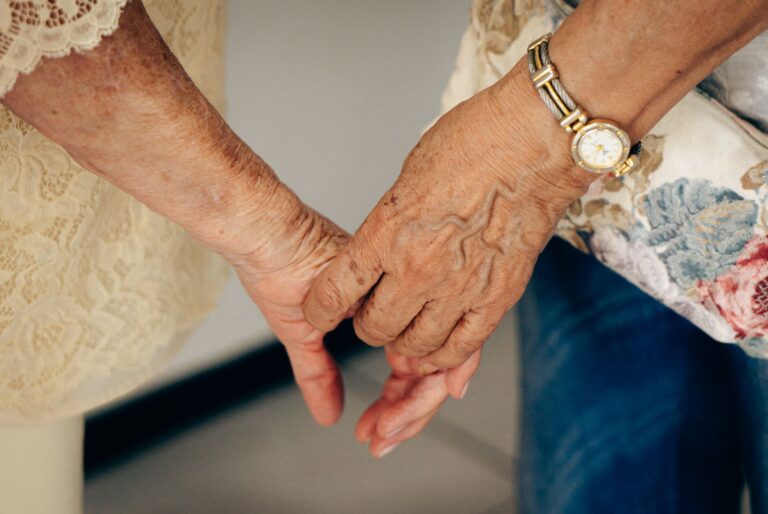
Primary progressive aphasia (PPA) is a dementia in which gradual loss of speaking, reading, writing and understanding others is the main early symptom. For spouses and partners, the decision is to trade cure-seeking for communication aids, therapy, and early legal and care planning.
The Association for Frontotemporal Degeneration describes this language-first pattern in its PPA overview. Memory can stay intact for years while speech fails. That split shapes every capacity and care choice.
Medical information disclaimer: This article is for general educational purposes only and does not provide medical advice, diagnosis, or treatment. Always consult a physician or other qualified health professional about symptoms, medications, tests, or treatment decisions.
Table of Contents
- What language pattern fits?
- How do doctors confirm PPA?
- What helps when no drug restores language?
- How can partners talk and plan now?
What language pattern fits?
The AFTD HelpLine divides PPA into three variants. Nonfluent/agrammatic PPA means effortful speech with simplified grammar. Semantic PPA means loss of word meanings.
Logopenic PPA means frequent word-finding pauses and trouble repeating phrases. A partner may know the object yet fail to say keys or repeat a short sentence. Alzheimer's Research UK notes most PPA reflects frontotemporal lobar degeneration, while logopenic PPA often reflects Alzheimer pathology. The same language syndrome can thus come from different brain diseases.
How do doctors confirm PPA?
Northwestern Mesulam Institute says diagnosis needs language decline as the main problem for about 1-2 years in its PPA overview. A neurologist pairs speech-language testing with brain MRI/PET scans. Scans also exclude stroke or tumor.
Partners can bring dated notes of missed words, reading errors, and misunderstood instructions. Track which tasks fail and which stay easy. Clear examples speed referral and testing.
What helps when no drug restores language?
Harvard Health Publishing reports there is no cure and no drug proven to restore language in PPA in its 2022 guide. Speech-language therapy focused on compensation, practice, and assistive communication is the main treatment. Early sessions build habits that last longer.
The UCSF Memory and Aging Center warns PPA does not typically improve like stroke aphasia. Most patients later develop broader thinking, behavior, or movement problems. Therapy aims to stretch function, not reverse disease.
How can partners talk and plan now?
Use short phrases and one idea at a time. Pair speech with visual backup every time. An AFTD report on a Northwestern study finds memory can remain intact for years in PPA. Do not treat early language failure as global memory loss.
Judge capacity from decisions and actions, not fluency. The National Institute on Deafness and Other Communication Disorders and Northwestern's speech-language clinic point partners to support groups plus early legal, financial, and respite planning. Join a caregiver group now. Book speech therapy and ask about respite care this week.
- use short phrases and simple choices
- add gestures, pointing, and facial cues
- draw or show pictures for key needs
- keep a communication book or board nearby
- try tablet picture apps for daily requests