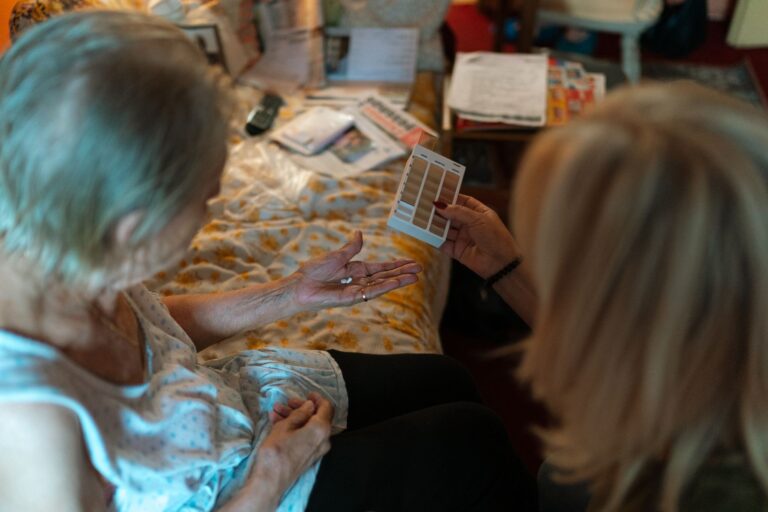
Call a clinician when poor judgment becomes noticeable, persistent, or starts disrupting daily life. Call 911 instead if confusion appears suddenly, follows a head injury, or comes with stroke signs or immediate danger. Poor judgment means repeatedly making choices that ignore familiar risks or responsibilities. One regrettable decision can happen with normal aging, but a new pattern of unsafe or uncharacteristic choices deserves attention.
Medical information disclaimer: This article is for general educational purposes only and does not provide medical advice, diagnosis, or treatment. Always consult a physician or other qualified health professional about symptoms, medications, tests, or treatment decisions.
Table of Contents
- When does poor judgment suggest dementia?
- When should you schedule an appointment?
- What if the change is sudden?
- When should you call 911?
- What happens during a dementia evaluation?
When does poor judgment suggest dementia?
Look for a pattern rather than a single mistake. The National Institute on Aging identifies repeated poor decisions, trouble managing bills, unsafe behavior, and neglected hygiene as possible dementia warning signs. An occasional bad decision alone can be a typical age-related change.
See the National Institute on Aging's warning-sign guidance. Changes become more concerning when they occur alongside other thinking or daily-function problems, such as: Consider what has changed from the person's usual behavior. A decision that seems eccentric but is longstanding carries a different meaning from several new mistakes that appear over weeks or months.
- Asking the same questions repeatedly
- Getting lost in familiar places
- Being unable to follow familiar directions
- Struggling with routine bills or responsibilities
- Repeatedly behaving in unsafe ways
When should you schedule an appointment?
Schedule a clinician visit for noticeable, persistent changes in judgment, memory, thinking, or everyday functioning. Do not wait until the person can no longer manage basic tasks. before the appointment, write down specific incidents and when they occurred.
Note whether the behavior is becoming more frequent and whether memory, directions, bills, hygiene, or safety have also changed. A concrete timeline gives the clinician more useful information than saying the person "seems off." Poor judgment alone does not establish dementia. Depression, medication effects, head injury, infection, sleep problems, low vitamin B12, alcohol or drug misuse, and thyroid, kidney, or liver problems can also cause thinking symptoms. Some of these causes may be treatable, which is another reason to seek an assessment rather than assume dementia.
What if the change is sudden?
Contact a medical professional promptly for a sudden or major change in confusion, behavior, alertness, or functioning. In someone who already has dementia, infection, fever, dehydration, or medication side effects can trigger delirium. Delirium is a rapid disturbance in attention and alertness.
It usually begins over hours or days and may fluctuate, while dementia generally progresses more slowly. Delirium may improve when its underlying cause is treated, according to MedlinePlus guidance on delirium. Do not dismiss an abrupt change as "just the dementia." Tell the clinician when the change began, how quickly it developed, and whether alertness rises and falls during the day.
When should you call 911?
Call 911 immediately when sudden confusion occurs with any possible stroke sign. The CDC lists facial droop, weakness on one side, difficulty speaking or understanding speech, vision loss, severe headache, and balance problems among the warning signs. Rapid treatment can reduce brain damage.
Review the CDC's stroke warning signs. Use emergency services rather than waiting for an office appointment when confusion: If possible, note when the person was last behaving normally. Do not delay the emergency call while trying to decide whether dementia explains the change.
- Begins after a head injury
- Involves unconsciousness
- Comes with danger to the person or others
- Occurs with fever, faintness, or abnormal breathing
- Appears with other acute symptoms
What happens during a dementia evaluation?
A clinician may take a medical history and perform physical, neurologic, and mental-status examinations. The evaluation may also include neuropsychological testing and tests for medical conditions that can cause or worsen cognitive symptoms, as described by MedlinePlus.
The purpose is not merely to label the behavior. It is to assess the pattern, measure thinking abilities, and look for other possible causes. Bring the timeline of incidents and an accurate medication list so the clinician can evaluate the change in context.