Dementia means loss of memory, thinking, and daily skills, and the 2026 WHO guideline recommends regular physical activity to help prevent or delay it. Adult children can track weekly active minutes, strength and balance days, and changes in memory or daily function without diagnosing. WHO designed the guidance for adults without dementia, including people with normal thinking or mild cognitive impairment. This article shows which weekly numbers to write down and when to call a clinician.
Medical information disclaimer: This article is for general educational purposes only and does not provide medical advice, diagnosis, or treatment. Always consult a physician or other qualified health professional about symptoms, medications, tests, or treatment decisions.
Official resources:
- Read the official guidance from Who — Use this primary source to verify the official guidance.
- Read the official guidance from Who — Use this primary source to verify the official guidance.
Table of Contents
- What the 2026 guideline covers
- What weekly target can you track?
- Why activity lowers risk but does not prevent dementia
- How to log change without diagnosing
What the 2026 guideline covers
WHO published the second-edition dementia risk-reduction guidelines on 15 July 2026, updating the 2019 edition, according to the WHO guideline publication. It covers adults across the life course. WHO states that up to 45% of dementia risk comes from modifiable factors, as reported in WHO announcement.
The list includes physical inactivity, tobacco and alcohol use, social isolation, air pollution, hypertension and diabetes. UN News, reporting the WHO guidance, says regular physical activity lowers noncommunicable-disease risk to help prevent or delay cognitive decline and dementia. That frames movement as prevention, not treatment.
What weekly target can you track?
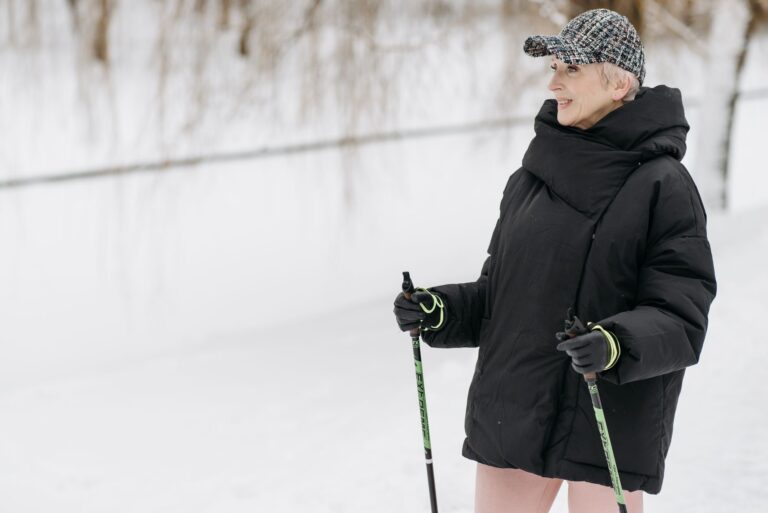
WHO sets a clear aerobic target for older adults that families can log, described in WHO regional activity levels. Aim for at least 150 minutes of moderate-intensity aerobic activity weekly, or 75 minutes vigorous, or an equal mix. Count activity in bouts of at least 10 minutes. WHO's 2020 activity standard widens the range to 150-300 minutes of moderate activity or 75-150 minutes of vigorous activity weekly.
It adds muscle-strengthening on 2 or more days. Older adults also add balance and strength work on 3 or more days and limit sedentary time. A 30-minute walk on five days reaches 150 minutes. Shorter walks still count when each bout lasts at least 10 minutes.
Why activity lowers risk but does not prevent dementia
Activity lowers risk but does not guarantee prevention. WHO stresses there is no cure for dementia.
Blood pressure, blood sugar, cholesterol, mood, and hearing also shape brain health. WHO says hypertension, diabetes, high cholesterol, depression and hearing loss need clinical management.
How to log change without diagnosing
Family members should log what they see, not what they fear. Track weekly active minutes, frequency, strength and balance days, plus shifts in memory or function. Do not label the change as dementia at home.
Diagnosis needs a clinical exam, so book a medical visit and bring the log, says guidance from the Alzheimer's Association diagnosis guide. Bring two to four weeks of notes to the visit to show patterns clearly. Keep logging after the visit to show what changed.
- Active minutes each day and weekly total
- Number of sessions plus strength and balance days
- Noted changes in memory, tasks, mood, or safety with dates
You Might Also Like
- Physical Activity in the 2026 WHO Dementia Guideline: How Adult Children Can Build a Realistic Brain Health Plan
- Physical Activity in the 2026 WHO Dementia Guideline: How Adult Children Can Avoid Overreading the Headline
- Physical Activity in the 2026 WHO Dementia Guideline: What the Evidence Supports and Does Not Promise for Adult Children