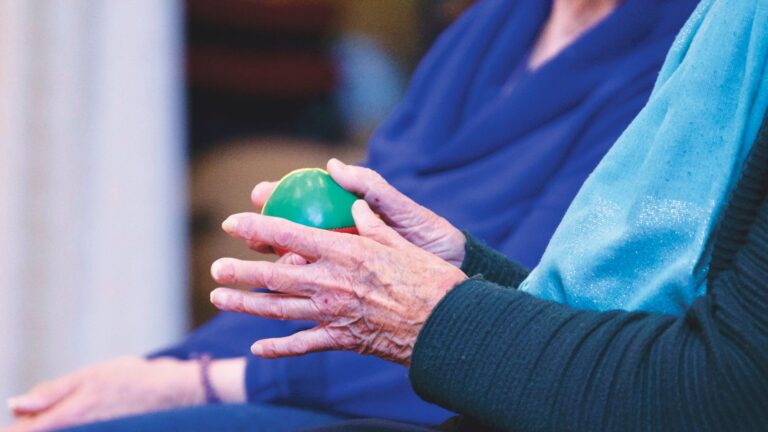
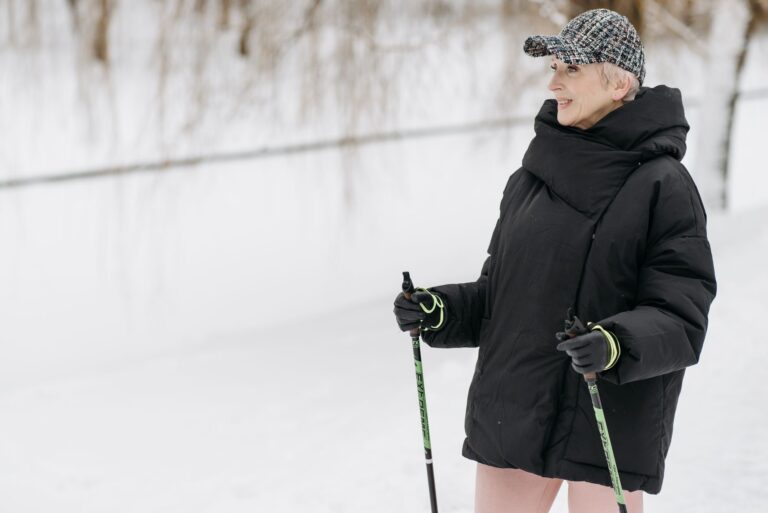
The 2026 WHO dementia guideline strongly recommends regular aerobic, resistance or multicomponent activity for adults with normal cognition to lower cognitive decline risk. Adult children can help parents meet it with joint brisk walks, cycling, swimming and twice-weekly strength and balance sessions. Dementia means progressive loss of memory, thinking and ability to handle daily tasks.
WHO published the 2nd edition on 15 July 2026, updating the 2019 edition, as described in the WHO announcement. It covers adults without dementia, including normal cognition or mild impairment. UN News reporting WHO notes more than 57 million people live with dementia with nearly 10 million new cases yearly.
Medical information disclaimer: This article is for general educational purposes only and does not provide medical advice, diagnosis, or treatment. Always consult a physician or other qualified health professional about symptoms, medications, tests, or treatment decisions.
Official resources:
- Read the official guidance from Who — Use this primary source to verify the official guidance.
- Read the official guidance from Who — Use this primary source to verify the official guidance.
Table of Contents
- What activity does the guideline recommend?
- How much activity counts each week?
- How can adult children make it stick?
- What else supports activity, and what does not help?
What activity does the guideline recommend?
The RACGP summary reports WHO strongly recommends regular aerobic, resistance or multicomponent activity for normal cognition, see the RACGP summary. It says activity may be recommended for mild cognitive impairment. Practical options include joint brisk walks, cycling and swimming. Resistance work means muscle-strengthening moves, while multicomponent sessions combine aerobic, strength and balance.
A daughter might walk with her father on weekdays and join a balance class twice weekly. WHO states up to 45% of dementia risk can be prevented or delayed by acting on modifiable factors across life. Those factors include physical inactivity, tobacco and alcohol use, social isolation, air pollution, hypertension and diabetes. Activity is one lever among several, not a solo shield.
How much activity counts each week?
For adults 65+, the dementia guideline dose is at least 150 minutes per week of moderate aerobic activity. The alternative is 75 minutes per week of vigorous activity in bouts of 10+ minutes, per WHO activity guidance. WHO 2020 guidance extends this to 150-300 minutes moderate or 75-150 minutes vigorous plus muscle-strengthening on 2 or more days. Ten-minute bouts count, so three 10-minute walks daily can reach the weekly target.
Spread sessions across the week rather than saving all activity for one day. WHO 2020 guidance notes some activity beats none and more brings greater benefit. Add muscle-strengthening on 2 or more days. Use body-weight moves, bands or light weights plus balance practice. An adult child can time these sessions after walks for routine.
How can adult children make it stick?
WHO 2020 guidance via the Deakin repository frames the family task as joint aerobic time, twice-weekly strength and balance, and less sitting. Schedule it like medicine, not leisure left to chance.
If a parent is inactive, start small because some activity beats none. Track walks on a shared calendar and keep shoes and gear ready. Praise consistency over speed to keep habit kind.
- Walk briskly together 30 minutes on five weekdays.
- Cycle or swim together on weekends for variety.
- Do strength and balance together on two nonconsecutive days.
- Replace sitting with light strolls, chores or standing breaks.
What else supports activity, and what does not help?
WHO pairs activity with quitting tobacco, limiting alcohol, healthy Mediterranean-type diet, cognitive training and social engagement. It also lists managing hypertension, diabetes and cholesterol, offering hearing aids for hearing loss, and reducing air-pollution exposure. Medical News Today notes WHO does not recommend vitamin B or E, omega-3 or multivitamins for dementia prevention, see Medical News Today reporting.
The reason is lack of benefit. It also notes 45% preventable is population-level, not a guarantee for any individual parent. Use activity visits to also support diet, social time, blood-pressure checks and hearing care. Replace one daily sitting hour with light walking and a short balance routine.
You Might Also Like
- Physical Activity in the 2026 WHO Dementia Guideline: What the Update Means for Adult Children
- Physical Activity in the 2026 WHO Dementia Guideline: What Is Established and What Is Still Being Studied for Family Caregivers
- Physical Activity in the 2026 WHO Dementia Guideline: How the Advice Compares With Common Online Claims for Family Caregivers