Reviewed by the Help Dementia Editorial Team — our editors review every article for accuracy against guidance from the National Institute on Aging, the Alzheimer’s Association, and peer-reviewed sources.
Memory projects sits at the center of this dementia and brain health question.
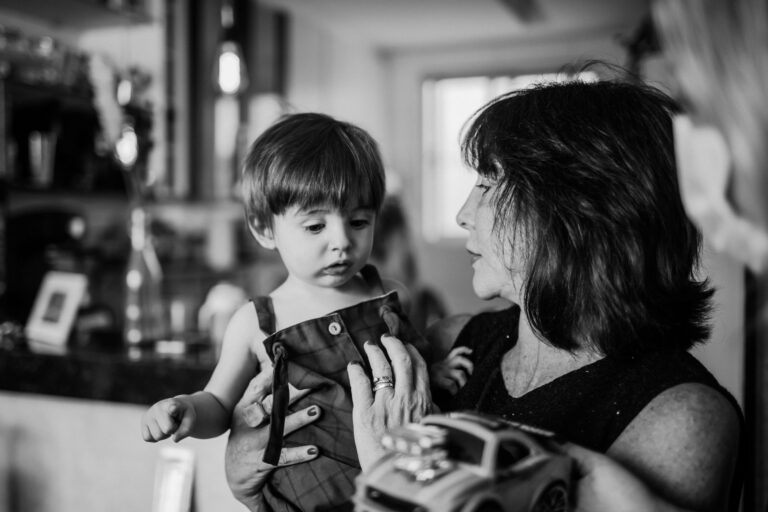
Photography and memory projects serve as powerful tools for documenting and preserving the experiences of people living with Alzheimer’s disease, capturing both the person as they were before diagnosis and their evolving journey through the disease. These projects take many forms—from family photo albums and narrative interviews to structured memory books and visual storytelling initiatives—all designed to maintain a connection to identity and lived experience even as cognitive changes progress.
For example, the “Alzheimer’s Portraits” project has worked with families to create visual narratives that show not just the disease’s progression, but the person’s personality, relationships, and meaningful moments, creating a record that honors their humanity beyond the diagnosis. What makes these projects particularly valuable in dementia care is that they work simultaneously on multiple levels: they preserve memories before they fade, provide validation and recognition for the person with Alzheimer’s, support family members in processing their experience, and contribute to a broader understanding of what Alzheimer’s actually looks like in real life. Unlike clinical documentation that focuses on cognitive decline and medical markers, memory projects capture the subjective, emotional, and relational dimensions of living with the disease—dimensions that are essential for compassionate care but often missing from medical records.
Table of Contents
- What Can Photography Reveal About the Alzheimer’s Experience That Medical Records Cannot?
- The Therapeutic and Documentary Value of Creating Memory Projects During Dementia
- How Are Memory Projects Being Used in Clinical and Community Settings?
- What Are the Most Effective Approaches to Creating or Beginning a Memory Project?
- Emotional and Ethical Challenges in Documenting Dementia
- Technology and Modern Approaches to Memory Documentation
- The Growing Recognition of Memory Projects in Dementia Care and Research
- Conclusion
What Can Photography Reveal About the Alzheimer’s Experience That Medical Records Cannot?
Photography and memory projects capture dimensions of the Alzheimer’s experience that clinical assessments inevitably miss. A neuropsychological report might document that a person has moderate memory loss and difficulty with complex decision-making, but a series of photographs over time tells a different story: it shows whether that person still recognizes their spouse, whether they find joy in familiar activities, whether they maintain their sense of humor, whether they’re still engaged with the world around them. Photography also documents the social context of dementia—the relationships that sustain people, the environments that either support or confuse them, the small moments of connection that make life meaningful despite cognitive loss. The specificity of visual documentation also prevents the kind of abstraction that happens in clinical language.
When a doctor says someone is “declining,” that’s a generalization. When you see a photograph of that same person at the farmer’s market with their grandchild, laughing at something, you’re seeing a more complete truth about where they are in their disease journey. Many family members report that looking back at photographs helps them resist the cognitive simplification that dementia often triggers—the tendency to see the disease instead of the person. Real example: The “StoryCorps” memory initiative in partnership with some Alzheimer’s organizations has collected thousands of audio and video memories from families, and reviewing these materials often helps family members recognize that meaningful moments and conversations are still happening, even after significant cognitive decline has occurred.

The Therapeutic and Documentary Value of Creating Memory Projects During Dementia
The act of creating a memory project can be therapeutic for multiple parties. For the person with Alzheimer’s, engaging with photographs, telling stories about them (even if the details are inaccurate), and receiving affirmation about their past can provide moments of connection and purpose. For family members and caregivers, the process of organizing, photographing, and documenting forces an intentional engagement with the person and their history that daily caregiving often doesn’t allow time for. Some research on reminiscence therapy suggests that the process of reviewing life experiences—whether through photographs, videos, or written accounts—can temporarily improve mood, reduce agitation, and create windows of connection that feel significant even if they’re brief.
However, there are important limitations and emotional considerations to navigate. Creating or reviewing memory projects can be emotionally painful, particularly in the early stages after diagnosis when the contrast between who the person was and their current functioning is most stark. Some families find that looking at photos from before the diagnosis becomes a painful reminder of cognitive loss rather than a comforting connection. Additionally, memory projects based heavily on the person’s pre-diagnosis identity can inadvertently reinforce the message that their current self—the person they are now with Alzheimer’s—is somehow less valuable or less them. The best projects tend to be those that include both pre-diagnosis memories and ongoing documentation of who the person is becoming, rather than exclusively mourning who they were.
How Are Memory Projects Being Used in Clinical and Community Settings?
Forward-thinking memory care facilities and day programs are increasingly incorporating photography and memory documentation into their programming, recognizing that these practices benefit residents and the broader care environment. Some facilities have created “memory walls” with photographs of residents’ lives before and during their dementia journey, helping both the residents and staff recognize the person beyond the diagnosis. Other programs have structured “memory sharing” sessions where residents and family members look through photographs together, often with a trained facilitator who can navigate the emotions that arise. The Eden Alternative and other person-centered care models have documented that environments rich in personal history and visual reminders of identity tend to produce calmer, more engaged residents.
Community-based projects have expanded this concept further. Some Alzheimer’s Association chapters now offer memory project workshops where families learn photography basics or storytelling techniques specifically designed for documenting dementia experiences. University-based research projects have begun collecting memory photographs and narratives as a way to build understanding of what living with Alzheimer’s is actually like, creating archives that will be valuable for future researchers, educators, and families. One example is the “Dementia Diaries” project, which combines photographs, written reflections, and video interviews to create a multi-sensory record of dementia experiences across different cultural communities and disease stages.

What Are the Most Effective Approaches to Creating or Beginning a Memory Project?
There’s no single “correct” way to create a memory project, and the most effective approach depends on the specific person, their current cognitive level, and what feels manageable for their family or caregivers. Some families start simply, using a smartphone to take photographs during regular activities—walks, meals, time with grandchildren—creating an ongoing visual journal without any formal structure. Others invest more intentionally, conducting recorded interviews while the person can still speak about their past, or working with a photographer who specializes in memory documentation. Still others create printed photo books, memory boxes, or wall displays that become part of the care environment itself.
The key difference between projects that feel meaningful and those that feel like another burden lies in simplicity and sustainability. A complicated project that requires lots of organization often doesn’t get completed, while a simple daily practice of photographing or recording often becomes something families can actually maintain. One useful comparison: writing a detailed daily journal about dementia is aspirational for many families but rarely sustainable, whereas taking one photograph a day is achievable and still creates a valuable record over time. Another approach that works for some families is assigning the project to someone specifically interested in it—perhaps a grandchild or a friend of the family—rather than expecting it to be another task for the primary caregiver, who is often already overwhelmed.
Emotional and Ethical Challenges in Documenting Dementia
Creating a visual record of someone’s cognitive decline requires navigating complex emotional territory and consent issues that don’t have simple answers. If someone is in the later stages of dementia and may not remember being photographed or may not understand the project’s purpose, are you creating documentation for them or primarily for others? Photography can feel like documentation of loss, and some family members struggle with the ethics of repeatedly capturing their loved one’s confusion or limitations. There’s a fine line between creating a meaningful record and creating a visual diary of decline that primarily emphasizes what the person can no longer do. Consent and autonomy present real complications.
Early in dementia, someone can consent to being photographed and understand how those images will be used. As the disease progresses, that capacity changes, and families must make judgments about whether to continue documenting. Some people with dementia are distressed by being photographed, which raises legitimate questions about whether it’s appropriate to continue, even if the family finds it meaningful. The ethical approach generally involves documenting someone’s wishes about photography and memory projects before they lose capacity, and regularly checking in with the person throughout their illness about what feels comfortable. It’s also worth considering whether your memory project is primarily for the person with dementia or for the family and other caregivers—this distinction matters for how you approach consent and participation.
Technology and Modern Approaches to Memory Documentation
Digital tools have expanded the possibilities for memory projects in ways that can be both helpful and complicated. Apps and platforms designed specifically for dementia families now allow for organized photo storage, video recording, timeline creation, and sometimes even sharing with extended family. Some families use closed social media groups or shared albums to keep extended family updated and connected around the person’s journey. Others use video recording more extensively, capturing conversations and daily moments in ways that photographs alone cannot.
The advantage of digital documentation is that it’s often easier to create, organize, and share, and video and audio can capture dimension that still photographs cannot. A conversation recorded with someone in early-stage Alzheimer’s becomes an increasingly precious document as their speech becomes impaired or incoherent. However, digital documentation also raises privacy and security questions that don’t exist with a physical photo album. Video and audio records of someone with dementia in vulnerable moments require careful thought about storage, access, and future use. One example that illustrates the value: several families have reported that video recordings of their loved one speaking before significant decline helped them hear the person’s voice again after the person became nonverbal—a source of comfort that photography alone couldn’t provide.
The Growing Recognition of Memory Projects in Dementia Care and Research
There’s increasing acknowledgment among dementia care professionals, researchers, and advocacy organizations that memory projects serve important functions beyond the personal level. Collectively, these projects create a visual and narrative archive of what Alzheimer’s disease actually looks like in lived experience, information that’s invaluable for training new care workers, educating the public, and informing policy discussions about dementia care.
Some researchers are now treating family-created memory projects as a form of qualitative data, recognizing that the photographs and stories families create offer insights into resilience, adaptation, and meaning-making that formal research often misses. As the population ages and dementia becomes more prevalent, these projects are likely to play an increasingly important role in dementia care—both as tools for individual families and as a collective resource for understanding and responding to the disease. The shift toward person-centered care means recognizing that the person with dementia is not just a patient to be managed but a person whose identity, history, and ongoing experience matter deeply and deserve to be documented with care and intention.
Conclusion
Photography and memory projects offer a meaningful way to document and honor the experiences of people living with Alzheimer’s disease, capturing both their history and their present in ways that clinical documentation cannot. These projects work on multiple levels—preserving memories, supporting emotional connection, validating identity, and contributing to a broader understanding of what dementia is really like.
They can be simple or complex, formal or casual, and the most effective ones tend to be those that are sustainable and intentional rather than burdensome. If you’re considering starting a memory project with someone who has Alzheimer’s, begin where it feels manageable—a regular photography practice, recorded conversations, or a shared album—and remember that the value lies as much in the process of creating and reviewing these memories as in the final product. Talk with the person about what they’re comfortable with, revisit those conversations as their capacity changes, and recognize that sometimes the most powerful documentation comes from simply being present and capturing the ordinary, meaningful moments that make up a person’s life.
You Might Also Like
- Summer Research Programs Recruit Students Into Alzheimer’s Careers
- Storytelling Programs Preserve Personal Narratives for Alzheimer’s Patients
- Retinal Imaging Explored as Window Into Alzheimer’s Brain Changes
For more, see Alzheimer’s Association — medical tests.