Reviewed by the Help Dementia Editorial Team — our editors review every article for accuracy against guidance from the National Institute on Aging, the Alzheimer’s Association, and peer-reviewed sources.
Pat sajak sits at the center of this dementia and brain health question.
Pat Sajak, the iconic television host who spent decades bringing joy to millions on Wheel of Fortune, has opened up about a deeply personal struggle within his own family. His brother was diagnosed with dementia at age 71, a revelation that touched on one of the most challenging realities facing families today—watching a loved one’s mental faculties decline during what should be active, productive years. When someone like Sajak, who has maintained such a public presence and optimistic demeanor, speaks candidly about dementia in the family, it underscores a truth that many Americans face in silence: dementia doesn’t discriminate by fame, fortune, or how much we might hope to avoid it.
The decision to speak out publicly about his brother’s condition reflects a broader shift in how public figures are addressing brain health. Rather than keeping such struggles behind closed doors, Sajak chose to shed light on the experience, acknowledging both the emotional toll and the practical realities of caring for someone with a cognitive disorder. His willingness to discuss this matter has resonated with countless families navigating similar journeys, offering them a reminder that they are not alone in this fight.
Table of Contents
- What Prompted Pat Sajak to Speak Openly About His Brother’s Dementia Diagnosis?
- Understanding Dementia Diagnosis at Age 71 and Its Progression
- The Family Impact of Dementia Diagnosis in a Loved One
- Medical and Care Decisions Following an Early Diagnosis
- Behavioral and Emotional Changes During Dementia Progression
- The Importance of Early Planning and Legal Arrangements
- Shared Brain Health and Family History in Dementia Risk
- Conclusion
What Prompted Pat Sajak to Speak Openly About His Brother’s Dementia Diagnosis?
Sajak’s decision to discuss his brother’s dementia diagnosis publicly came at a time when awareness around early-onset dementia was beginning to gain more traction in mainstream media. Rather than being motivated by publicity, his comments appeared driven by a genuine desire to help others understand what dementia looks like when it strikes someone in their early seventies. This age range is sometimes categorized as early-onset dementia, a term that applies to anyone diagnosed before age 65, though diagnoses in the 70s still qualify as relatively early compared to the average age of Alzheimer’s disease diagnosis, which typically occurs after 80.
Many public figures hesitate to speak about family health issues, fearing it might invite unwanted scrutiny or change their public image. Sajak’s openness suggested a calculated choice to prioritize compassion and education over privacy. In interviews, he conveyed not just the medical facts of his brother’s condition, but the emotional weight that comes with watching a parent, sibling, or loved one experience cognitive decline. This human element is often what resonates most with audiences, as statistics about dementia prevalence can feel abstract until you have a face—or a family story—attached to them.

Understanding Dementia Diagnosis at Age 71 and Its Progression
A dementia diagnosis at age 71 falls into a gray zone where the disease is early enough to still cause shock and disruption to work and social life, yet late enough that some people might attribute early symptoms to normal aging. This timing matters tremendously because it often means the person diagnosed is still in or recently out of the workforce, still caring for or supporting other family members, and potentially still living independently. The impact ripples outward—affecting not just the diagnosed individual but everyone in their circle. The progression of dementia in someone in their seventies varies widely depending on the type.
Alzheimer’s disease, the most common form, typically progresses slowly over 8 to 20 years, though some individuals decline more rapidly. Vascular dementia, caused by stroke or reduced blood flow to the brain, can be more unpredictable. Early signs might include difficulty remembering recent conversations, getting lost in familiar places, struggling with finances or medications, or personality changes. A critical limitation many families face is that early diagnosis, while valuable for planning, does not currently halt or reverse the disease. The goal of early detection is management and preparation, not cure—a reality that can feel deflating when a diagnosis first arrives.
The Family Impact of Dementia Diagnosis in a Loved One
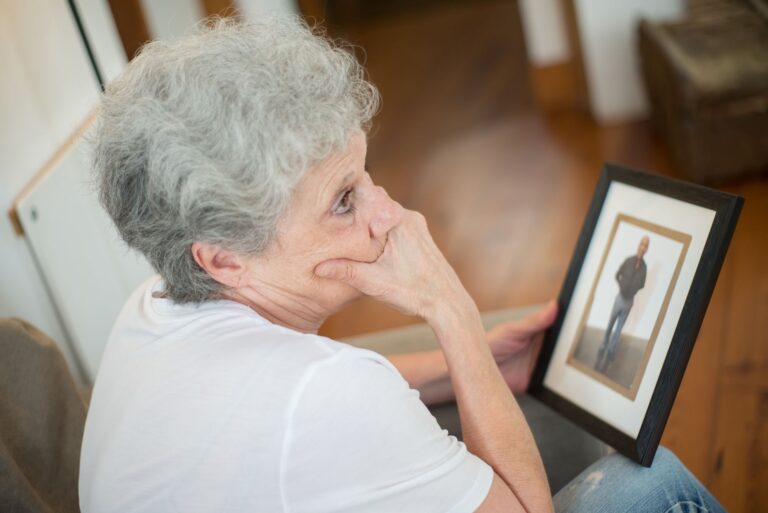
When Sajak spoke about his brother’s condition, he touched on something many family members experience but don’t always articulate: the grief that arrives before death. Watching someone you grew up with or spent decades alongside begin to lose their memory and cognitive abilities creates a unique form of loss. The person is still physically present, yet the relationship itself transforms. Conversations that once felt easy become labored or repetitive. Inside jokes lose their meaning.
Trust and independence give way to caretaking and supervision. For siblings specifically, the experience can be particularly complex. Unlike parent-child relationships, sibling bonds are typically formed in childhood and carried through decades of shared history. A sibling’s dementia diagnosis can trigger not just sadness and concern, but also existential questions about one’s own aging and health risks. Many people wonder: if my sibling developed dementia in their seventies, what does that mean for my own future? These fears are often unspoken but weigh heavily. Additionally, siblings may find themselves navigating role changes—perhaps becoming involved in caregiving or financial decision-making alongside a parent who is also aging, or becoming the primary advocate when a parent is no longer capable of providing care.

Medical and Care Decisions Following an Early Diagnosis
Once a dementia diagnosis is confirmed, families face a series of decisions that can feel overwhelming. These include choosing appropriate medical specialists, deciding whether to pursue medications that may slow cognitive decline, planning for living arrangements, and establishing legal documents like power of attorney and advance directives. The window for the person with dementia to participate meaningfully in these decisions is crucial—ideally, planning happens early while the individual can still express their wishes and values clearly. One major consideration is medication.
Drugs like donepezil, rivastigmine, and memantine can help some people maintain cognitive function longer or manage behavioral symptoms, but they do not stop or reverse dementia. The benefit of these medications varies considerably from person to person, and they come with potential side effects. A comparison worth understanding: starting these medications early may provide more benefit than starting them later, but their effects are typically modest, not dramatic. Families often struggle with the question of whether medication is truly helping or simply delaying decline. Meanwhile, other practical decisions loom—deciding when someone can no longer drive safely, when 24-hour care becomes necessary, and how to finance long-term care arrangements, which can cost $4,000 to $8,000 per month for in-home care or $6,000 to $15,000 per month for assisted living facilities.
Behavioral and Emotional Changes During Dementia Progression
Dementia affects not just memory but personality and behavior. Someone who was always patient might become irritable. A careful person might become careless with money or personal hygiene. These changes can shock family members as much as the cognitive decline itself. A significant warning here: behavioral changes are not willful or intentional. The person is not trying to be difficult; their brain’s ability to regulate emotion, impulse, and social behavior is being compromised.
Recognizing this distinction is crucial for caregivers, as it shapes how they approach challenging moments. Sundowning is one particularly difficult behavioral symptom where confusion and agitation increase in the late afternoon and evening. Depression and anxiety are also common, as the person with dementia becomes aware, at least intermittently, of their own decline. In some cases, hallucinations or paranoia emerge. These symptoms require professional management—sometimes through medication, sometimes through environmental modifications like better lighting and reduced noise, and sometimes through caregiver strategies like maintaining calm communication and structured routines. The emotional toll on family members witnessing these changes cannot be understated. Caregiver burnout is a documented health crisis in itself, with family caregivers experiencing higher rates of depression, anxiety, and even physical illness than the general population.

The Importance of Early Planning and Legal Arrangements
One of the most practical contributions someone at Sajak’s platform could make is emphasizing the importance of early planning. After a dementia diagnosis, it’s crucial—and often legally required—to establish documents that clarify who will make decisions when the person diagnosed can no longer do so themselves. This includes a healthcare power of attorney (authorizing someone to make medical decisions), a financial power of attorney, a living will specifying end-of-life preferences, and potentially a guardianship or conservatorship arrangement if those documents weren’t already in place. The challenge many families face is that even after diagnosis, they delay these conversations.
The newly diagnosed person may resist the implications, or the family may feel like discussing contingencies is depressing or premature. Yet every month that passes with these documents unsigned represents increased legal and financial vulnerability. If the person becomes incapacitated before documents are in place, the family may have to pursue a costly and public court-ordered guardianship process. For someone like Sajak’s brother, who presumably has assets and complex family dynamics, having clear legal documentation made all the difference in ensuring his wishes were honored and his care could proceed without additional legal complications.
Shared Brain Health and Family History in Dementia Risk
When one family member receives a dementia diagnosis, it naturally raises questions about whether others in the family carry elevated risk. Some forms of dementia have genetic components. Familial Alzheimer’s disease, caused by specific mutations in genes like APP, PSEN1, or PSEN2, runs in families and can strike people in their 40s, 50s, or 60s. However, this accounts for less than 1% of all Alzheimer’s cases.
The more common scenario is that dementia risk is influenced by multiple genes and many environmental factors—meaning having a sibling with dementia raises some risk but doesn’t determine destiny. The silver lining is that many dementia risk factors are modifiable. Cardiovascular health, cognitive engagement, physical exercise, sleep quality, social connection, hearing correction, and cognitive training have all been associated with lower dementia risk. Sajak’s public discussion of his brother’s condition, if it motivates other family members to prioritize these preventive measures, could have ripple effects beyond his immediate family. It’s a reminder that while we cannot always prevent dementia, we can take meaningful steps to protect our brain health.
Conclusion
Pat Sajak’s willingness to speak openly about his brother’s dementia diagnosis serves as a powerful reminder that cognitive decline can affect anyone, regardless of background or accomplishment. The experience illuminates not just the medical aspects of dementia—the diagnosis, medications, and disease progression—but the human dimensions that statistics alone cannot capture. For families navigating similar situations, his voice adds weight and validation to their own experiences, reducing the stigma that often keeps people struggling in isolation.
Moving forward, the most valuable response to Sajak’s candor is action. For those concerned about their own cognitive health or a loved one’s changes, early evaluation by a neurologist or cognitive specialist is worthwhile. For families already managing dementia, attention to advance planning, caregiver support, and symptom management can significantly improve quality of life. And for society broadly, Sajak’s example underscores the urgent need for continued research into dementia prevention and treatment, better caregiver support systems, and conversations that bring this challenge out of the shadows and into the light where it belongs.
You Might Also Like
- Tony Bennett’s Daughter Reveals New Details About His Final Years With Dementia
- FDA Issues Warning About Common Sleep Aid Linked to Dementia Risk
- Walgreens Recalls Sleep Aid After FDA Links It to Dementia Cases
For more, see Alzheimer’s Association — caregiving.