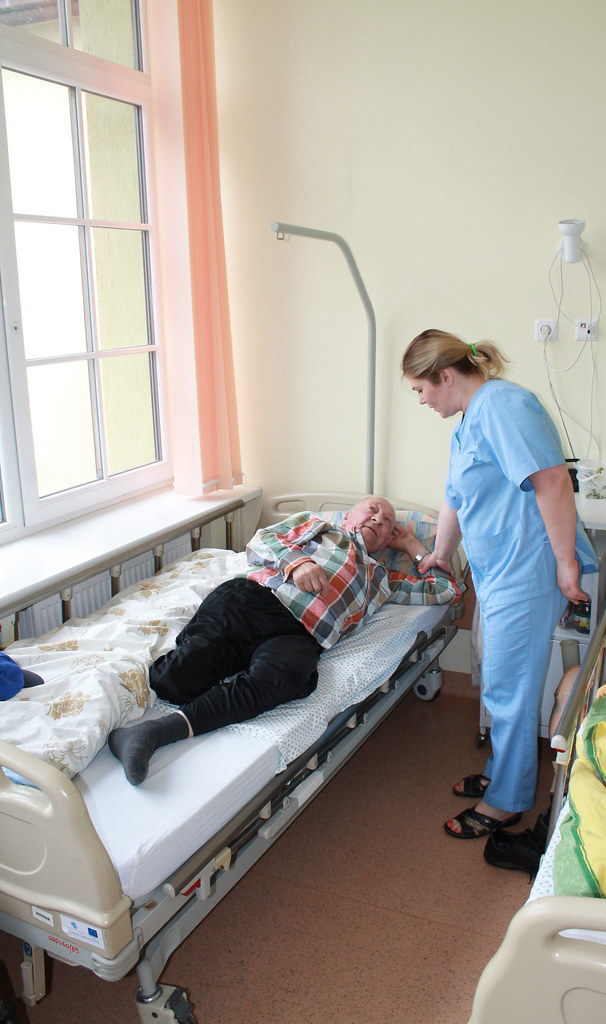
Dental appointments for Parkinson's disease dementia — dementia that develops with Parkinson's disease and affects memory, thinking and understanding — depend on steady movement, upright positioning and clear communication. Short morning visits during medication "on" periods, a more upright chair, calm single-step instructions and a caregiver present help procedures stay safe and cooperative. Dementia adds consent and cooperation needs to Parkinson's movement problems. Knowing what to request helps families and dental teams plan care.
Medical information disclaimer: This article is for general educational purposes only and does not provide medical advice, diagnosis, or treatment. Always consult a physician or other qualified health professional about symptoms, medications, tests, or treatment decisions.
Table of Contents
- Why is holding still so hard?
- What chair position lowers choking risk?
- When should visits be scheduled?
- How should the team communicate?
- Why must plans fit the person?
Why is holding still so hard?
Tremor, rigidity, slowed movement and levodopa-related dyskinesias make it hard to hold still with the mouth open, according to the npj Parkinson's Disease review. The same review links these movement problems to cracked teeth, jaw grinding and difficult dental procedures.
Dental teams can respond with head and body stabilization and suction assistance. Ask for short procedures with pauses for rest and swallowing.
What chair position lowers choking risk?
Keeping the chair more upright helps swallowing, drooling control and lower aspiration risk, according to the Parkinson's Foundation dental health fact sheet. That fact sheet also advises slow raising to upright to prevent orthostatic hypotension common in Parkinson's.
Drooling reflects impaired swallowing rather than excess saliva, as described by NeurologyLive. Reclining with the head back lets saliva pool toward the throat and raises choking risk during long procedures.
When should visits be scheduled?
Schedule short morning appointments about 60-90 minutes after levodopa during medication "on" periods, with bathroom use beforehand, according to the Parkinson Society British Columbia fact sheet. Fatigue, stiffness and off-periods worsen movement and cooperation. Tell the office about the diagnosis before the visit: The Davis Phinney Foundation recommends this advance notice, extra time and caregiver involvement.
- share Parkinson's disease dementia diagnosis and current medication list
- request extra time and a morning slot
- plan for positioning help and post-visit care with a caregiver
How should the team communicate?
Parkinson's disease dementia impairs executive function, memory and understanding, so patients often cannot follow multi-step instructions or give informed consent alone, according to the NICE Parkinson's disease guideline NG71. A caregiver should be present and communication should be simplified.
Ask the team to use calm, single-step instructions and check understanding at each step. The Davis Phinney Foundation advises involving the caregiver to support positioning, communication and care after the visit.
Why must plans fit the person?
Chair angle, appointment length and support needs vary with disease stage and dementia severity. A short on-period visit may suit early disease, while later dementia may need more stabilization, suction and caregiver help.
Most positioning and communication advice comes from expert guidance, surveys and prosthodontic case reports rather than randomized trials, as noted in the Wiley clinical strategies report. Ask the dentist to individualize chair angle, timing and sedation for the current stage.