7 Exercises Used in Most Lower Back Physical Therapy Programs

The seven exercises most commonly prescribed in lower back physical therapy programs are pelvic tilts, knee-to-chest stretches, glute bridges, cat-cow...
The seven exercises most commonly prescribed in lower back physical therapy programs are pelvic tilts, knee-to-chest stretches, glute bridges, cat-cow...
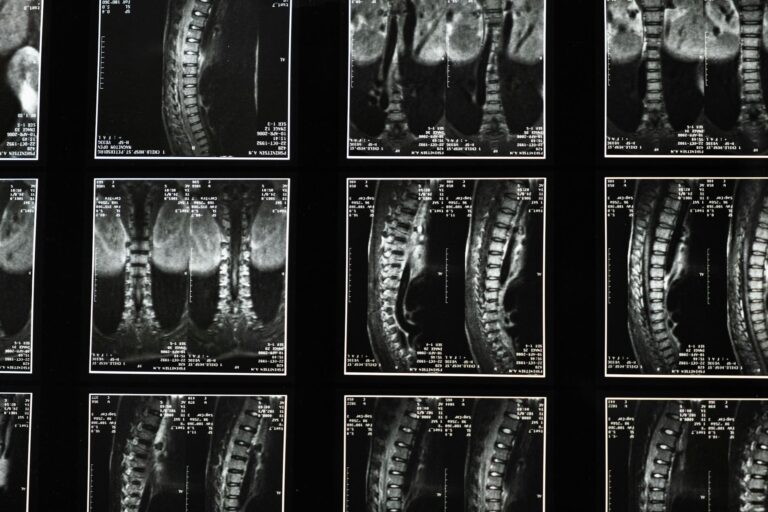
Spinal instability causes eight primary symptoms that can lead to chronic pain: persistent back or neck discomfort, muscle spasms near the affected area,...

Spine specialists want you to understand that most disc injuries are not the catastrophic conditions many people fear.
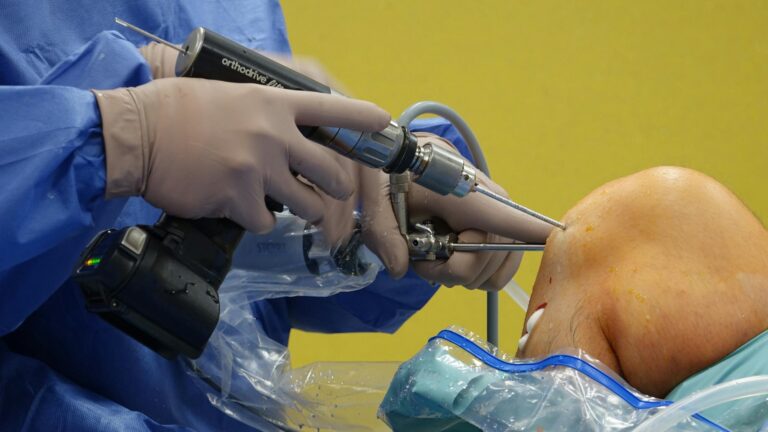
Herniated disc pain often seems to strike without warning, leaving people frustrated and confused about why they suddenly cannot bend down, why sitting...
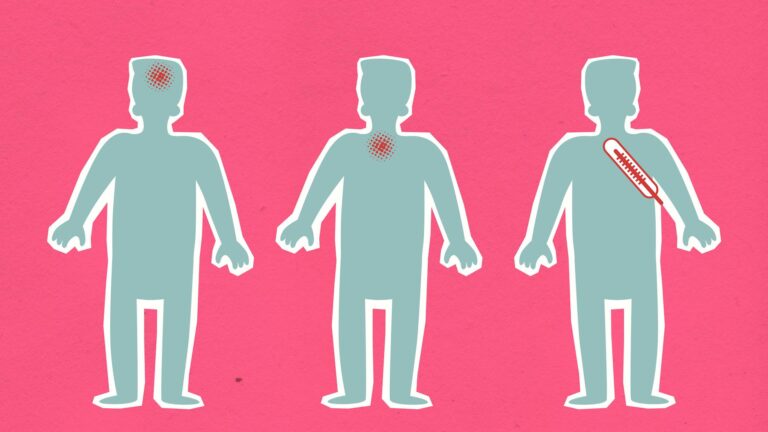
Lumbar nerve compression occurs when pressure builds on the nerves in your lower back—most commonly from a herniated disc—and produces a range of symptoms...

The seven exercises doctors most commonly recommend for long-term spine health are pelvic tilts, bird dogs, planks, cat-cow stretches, bridges, glute...

Core strength matters significantly for back pain—but not in the way most people think. While strong core muscles do help alleviate pain and improve...

The bird dog exercise is a deceptively simple core-stability movement that directly strengthens the deep spinal muscles responsible for protecting your...

If you've recently been told you have a bulging disc, understand this: your spine is experiencing a relatively common age-related change that often...

Herniated disc symptoms get worse when you sit because sitting increases compression on your spine by up to 30 percent—and in some cases, up to 90...