Non-invasive nasal sits at the center of this dementia and brain health question.
Recent research from Duke University suggests that a simple nasal brush biopsy could soon replace much more expensive and invasive procedures for detecting Alzheimer’s disease. A study led by Dr. Bradley Goldstein found that samples collected from the upper nasal cavity can identify Alzheimer’s years before symptoms appear, achieving approximately 81% accuracy in distinguishing people with early or diagnosed Alzheimer’s from healthy controls.
This breakthrough offers a potentially transformative approach to early detection—one that is far less burdensome than today’s gold-standard procedures. The test works by analyzing gene activity and immune markers in nasal cells, which mirror the changes occurring in the Alzheimer’s brain itself. By detecting these molecular signatures early, doctors could identify patients at risk for cognitive decline while there may still be therapeutic options available. This article explores how nasal testing works, how it compares to current diagnostic methods, where the research stands, and what barriers remain before it becomes available to patients in routine clinical practice.
Table of Contents
- How Does Nasal Testing Compare to Current Alzheimer’s Diagnostics?
- What Do Nasal Cells Reveal About Alzheimer’s Disease?
- Why Timing Matters in Alzheimer’s Detection
- What Would Nasal Testing Mean for Patients and Healthcare Systems?
- What Are the Current Limitations and Research Gaps?
- Are There Other Nasal Biomarkers Being Studied?
- What Is the Path Forward for Nasal Testing?
- Conclusion
How Does Nasal Testing Compare to Current Alzheimer’s Diagnostics?
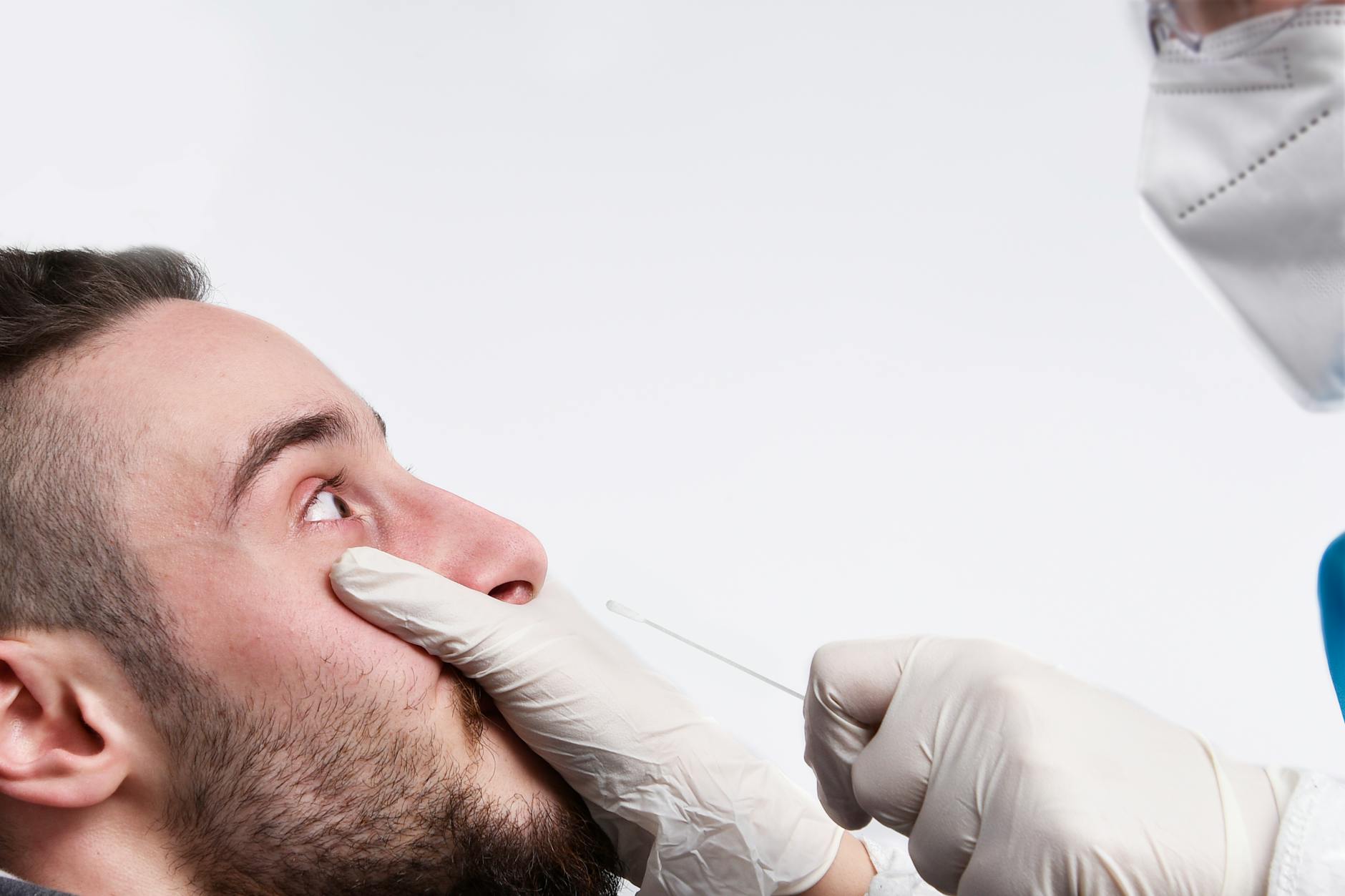
The nasal brush test represents a fundamentally different approach to Alzheimer’s detection. Instead of relying on expensive imaging or invasive procedures, researchers sample cells from the olfactory epithelium—the smell-related tissue in the upper nasal cavity—where they detect immune and neuronal changes that mirror those seen in Alzheimer’s brains. This approach is far less invasive than a lumbar puncture (spinal tap), which has been the traditional method for collecting cerebrospinal fluid to measure Alzheimer’s biomarkers. The spinal tap carries risks of infection, headache, and patient anxiety, making it impractical for routine screening.
Current alternatives include amyloid-PET imaging, which is expensive, requires specialized equipment, and involves radiation exposure; and blood-based biomarker tests, which are non-invasive but costly. Labcorp’s FDA-approved ATN blood test costs $626, while Quest’s AD blood test runs $400—and neither is typically covered by Medicare. A nasal brush biopsy, if commercialized, would likely cost significantly less than PET imaging and be as simple to perform as a standard nasal swab. This combination of accessibility and lower cost could democratize early Alzheimer’s detection, making screening feasible for broader populations.
What Do Nasal Cells Reveal About Alzheimer’s Disease?
The Duke study revealed that nasal cells contain biomarkers reflecting brain amyloid dynamics—the same pathological hallmark that defines Alzheimer’s disease. Specifically, a separate 2025 study published in Nature’s Scientific Reports analyzed nasal amyloid-β42 (Aβ42) levels in 161 individuals and found that these nasal biomarkers correlated with brain amyloid PET imaging and cognitive decline. This was the first evidence demonstrating that what happens in the nasal epithelium directly reflects what is happening in the brain, providing a “window” into Alzheimer’s pathology without invasive procedures. However, this research comes with important caveats.
The nasal swab approach is currently a research tool, not yet ready for routine clinical use. The Duke study, while promising, needs replication in larger and more diverse study populations before it can be translated into a clinical diagnostic. Researchers emphasize that findings must be validated across different age groups, ethnicities, and geographic regions to ensure the test works reliably for everyone. The 81% accuracy is encouraging, but it also means about one in five people would have a false positive or false negative result—a limitation that must be addressed before widespread adoption.
Why Timing Matters in Alzheimer’s Detection
One of the most compelling aspects of the Duke findings is that the nasal test can detect Alzheimer’s years before symptoms appear—a window called the preclinical phase. During this phase, amyloid-β and tau proteins accumulate in the brain, but patients remain cognitively normal. This represents a critical opportunity for intervention. Some disease-modifying drugs, like aducanumab (Aduhelm), were designed to slow cognitive decline if given early enough, though their effectiveness remains debated. Other drugs in development show promise in early-stage disease, making early detection potentially lifesaving.
The challenge is that we currently lack a practical way to identify these preclinical individuals. Amyloid-PET scans are too expensive for screening; blood tests are cheaper but still not affordable enough for widespread use; and spinal taps are simply too invasive. A nasal swab could change this equation entirely. If a simple, inexpensive nasal test could identify millions of people in the preclinical phase, it could shift Alzheimer’s care from a reactive, symptom-based model to a proactive, prevention-based one. This shift mirrors what has happened in cardiovascular medicine, where cholesterol screening enables preventive treatment decades before heart attacks occur.

What Would Nasal Testing Mean for Patients and Healthcare Systems?
If the nasal test becomes clinically available, it would eliminate several sources of patient burden. A spinal tap requires a hospital visit, anesthesia, and recovery time—all for a procedure that carries measurable risks. Amyloid-PET imaging requires scheduling, traveling to a specialized imaging center, and sometimes overnight fasting. Blood tests are simpler but still require a clinic visit and lab processing. A nasal brush biopsy could theoretically be performed in any primary care office in minutes, with results available within days or weeks. This accessibility matters enormously for older adults and those with mobility limitations.
For healthcare systems, the cost implications are profound. Consider a 70-year-old with cognitive complaints. Today, a physician might order an amyloid-PET scan (expensive, radiation exposure) or blood biomarkers ($400–$1,250, not covered by insurance). If a nasal test cost $100–$150 and could be performed in the clinic, screening for preclinical Alzheimer’s could become standard practice, much like colonoscopy for colorectal cancer or mammography for breast cancer. However, this creates an important tradeoff: widespread screening would identify many people with preclinical disease for whom treatment options are limited. Healthcare systems and patients would need to prepare for the psychological and logistical consequences of identifying asymptomatic disease.
What Are the Current Limitations and Research Gaps?
The nasal swab research, while exciting, remains early-stage. The Duke study used brush biopsies from the olfactory cleft in people with known Alzheimer’s disease or cognitive impairment, and matched controls. This is far from the real-world scenario of using nasal testing to screen asymptomatic people in a primary care setting. Researchers have not yet confirmed that the test works equally well in very early stages of disease, in people from diverse backgrounds, or in those with other conditions that might mimic Alzheimer’s pathology.
Additionally, the test requires sophisticated laboratory analysis of gene expression and cellular markers—not something that can be done with a point-of-care device at home or in a basic clinic. This means any nasal test would likely be sent to a specialized laboratory, similar to blood biomarker tests. The turnaround time, standardization across labs, and cost of this analysis remain unclear. Researchers also must address what to do with borderline or uncertain results, and whether the test can differentiate Alzheimer’s from other forms of dementia, such as Lewy body dementia or frontotemporal dementia, which have different prognoses and treatments.

Are There Other Nasal Biomarkers Being Studied?
The amyloid-β42 findings from 2025 are not isolated. Other research has explored nasal biomarkers for different diseases, demonstrating that the nasal epithelium—which is readily accessible and reflects systemic and neurological health—offers a rich source of diagnostic information. The olfactory system itself is uniquely positioned because it has direct connections to the brain and shares some of the same pathology seen in Alzheimer’s.
In fact, loss of smell (anosmia) is a recognized early symptom of Alzheimer’s disease, which is why nasal cells might carry signatures of neurodegeneration. Future research will likely explore whether combinations of nasal biomarkers—not just amyloid-β42 but also tau, neuroinflammatory markers, and others—can improve accuracy and differentiate Alzheimer’s from other dementias. The potential exists for a multiplex nasal test that provides a complete neurobiological profile from a single brush sample. However, this remains speculative; the field is still in early validation phases.
What Is the Path Forward for Nasal Testing?
The Duke findings have generated significant interest in the neurology and dementia research communities, but the journey from research discovery to clinical product is lengthy. Typically, a promising biomarker test requires: validation in independent cohorts, standardization of the collection and analysis methods, assessment of test performance in real-world clinical settings, regulatory approval (likely FDA clearance as a laboratory-developed test or companion diagnostic), and demonstration of clinical utility—that is, evidence that identifying preclinical disease and treating it actually improves patient outcomes.
Based on the timeline of blood biomarker tests (which took years to move from research to clinical availability), a nasal test might be available in specialized research settings within the next 2–3 years, and in routine clinical practice 5–10 years from now—if the research is funded, validation studies are completed successfully, and clinical trials demonstrate benefit. In the meantime, patients and physicians should be aware of this emerging technology without expecting it to replace current diagnostic methods immediately. Those concerned about Alzheimer’s risk should discuss existing screening options, lifestyle modifications, and participation in research studies with their healthcare provider.
Conclusion
The nasal brush biopsy represents a genuinely exciting advance in the potential for early Alzheimer’s detection. The Duke University study demonstrates that immune and neuronal changes visible in nasal cells can identify Alzheimer’s disease years before symptoms appear, offering a path toward earlier intervention when disease-modifying treatments may be most effective. The test is far less invasive and expensive than current gold-standard procedures like amyloid-PET imaging or spinal taps, and it could eventually become a routine part of cognitive screening in primary care.
However, the technology is still in the research phase and significant work lies ahead. Larger validation studies, standardization of methods, regulatory approval, and clinical trials demonstrating patient benefit are all necessary before nasal testing becomes widely available. In the meantime, anyone with concerns about cognitive decline or Alzheimer’s risk should speak with their doctor about current diagnostic options and evidence-based ways to reduce risk, including cognitive engagement, cardiovascular exercise, quality sleep, and social connection.
You Might Also Like
- Creative Fundraising Events Benefit Alzheimer’s Disease Organizations
- Approved Alzheimer’s Treatments Demonstrate Sustained Patient Benefit
- Simple Blood Draw Could Revolutionize Alzheimer’s Screening
For more, see NIH MedlinePlus — dementia.