Reviewed by the Help Dementia Editorial Team — our editors review every article for accuracy against guidance from the National Institute on Aging, the Alzheimer’s Association, and peer-reviewed sources.
Yes—multiple new studies from 2026 confirm that Alzheimer’s disease can now be detected years before symptoms appear, fundamentally changing how we approach diagnosis and prevention. Researchers at Harvard Medical School and Washington University have developed blood tests that can identify the disease’s earliest markers a decade or more before cognitive decline becomes noticeable. These advances represent the most significant breakthrough in early Alzheimer’s detection in years, offering hope that intervention may soon become possible before irreversible brain damage occurs.
The most promising approach involves measuring a protein fragment called plasma phosphorylated tau 217 (pTau217) in the blood—a biomarker that shows up in people who will eventually develop Alzheimer’s, sometimes years before any changes appear on brain imaging. In one study tracking 317 cognitively healthy older adults for an average of 8 years, researchers found that increases in pTau217 occurred years before amyloid plaques accumulated in the brain, providing a crucial early warning system. For the first time, we have a practical, non-invasive way to know who is on the Alzheimer’s pathway before symptoms take hold.
Table of Contents
- How Blood Tests Reveal Alzheimer’s Biomarkers Years Before Brain Changes Appear
- The FDA-Approved Alzheimer’s Blood Test: What’s Available Now
- The Alzheimer’s “Clock”: Predicting Symptom Onset with 3-4 Year Accuracy
- Beyond Blood: Loss of Smell and Other Early Alzheimer’s Warning Signs
- Who Should Pursue Early Detection Testing and What the Limitations Are
- The Disease Timeline: How Early Detection Fits Into Alzheimer’s Progression
- What Early Detection Means for Prevention and the Future of Alzheimer’s Care
- Conclusion
How Blood Tests Reveal Alzheimer’s Biomarkers Years Before Brain Changes Appear
The key to early detection lies in understanding that Alzheimer’s disease doesn’t start with memory loss—it starts with molecular changes in the brain that can now be detected in the blood. The Harvard Aging Brain study followed 317 cognitively normal adults aged 50 to 90 for approximately 8 years, measuring pTau217 levels repeatedly. The findings, published in Nature Communications in 2026, showed that participants whose pTau217 levels rose during the study were significantly more likely to develop amyloid accumulation—the hallmark pathology of Alzheimer’s—compared to those with stable or low levels. One participant in the study, a 68-year-old woman with normal memory but rising pTau217 levels, would not show amyloid on PET scans for years to come, but the blood test already flagged her as at-risk.
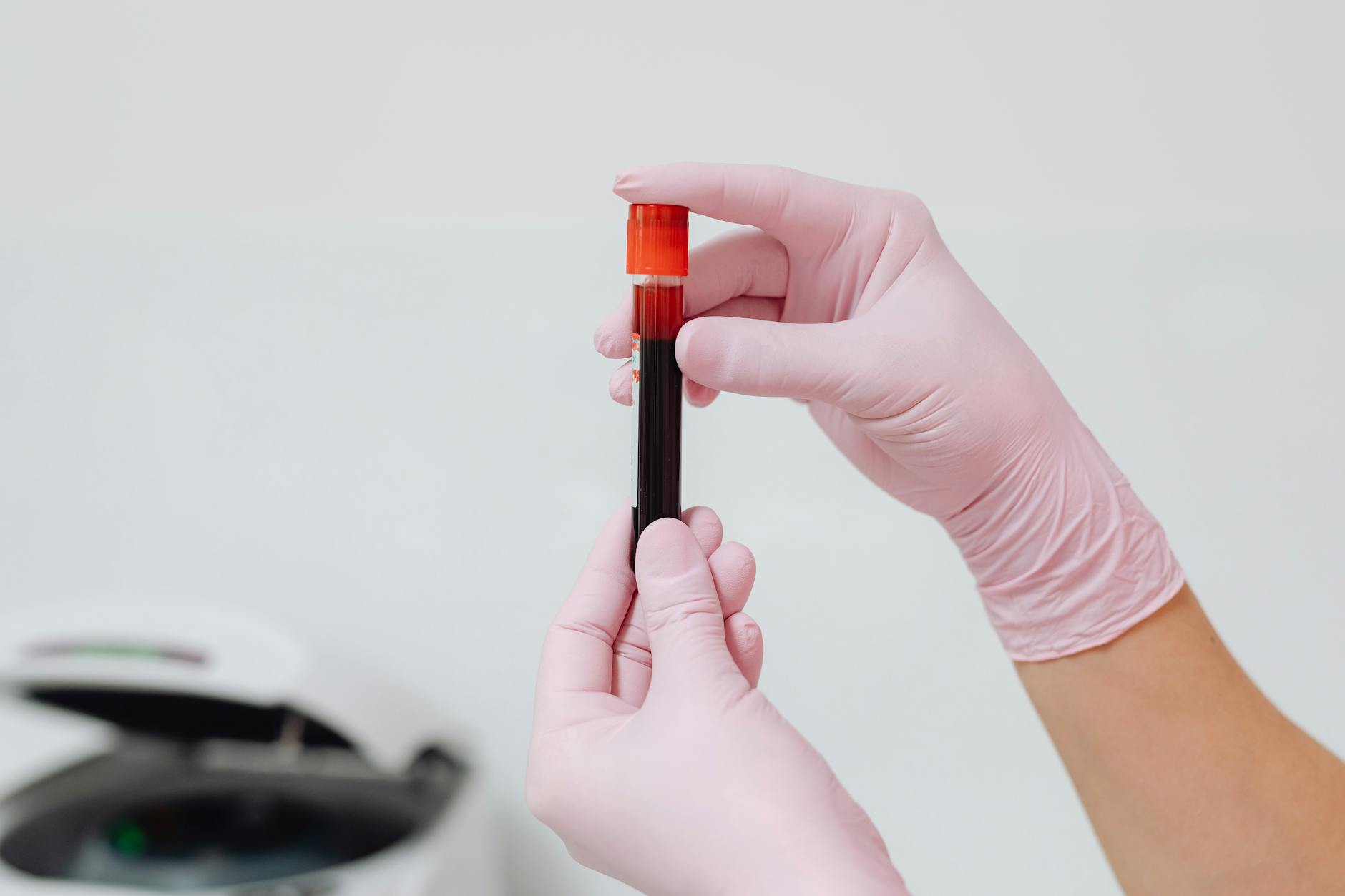
This approach works because pTau217 appears to be one of the earliest markers of Alzheimer’s pathology. In the Harvard study, increases in blood pTau217 preceded positive amyloid PET scans—the current gold standard for detecting brain amyloid—by years. Even more encouraging, participants with consistently low pTau217 levels at the beginning of the study proved “very unlikely to accumulate significant amyloid-beta” over the following years. This means the test can also provide reassurance to those whose levels remain normal. The blood test is simple, requiring only a small sample that can be processed in standard laboratory settings, making it far more practical than PET scans, which are expensive, time-consuming, and not widely available.
The FDA-Approved Alzheimer’s Blood Test: What’s Available Now
In a major regulatory milestone, the FDA has cleared the first blood test specifically approved for early Alzheimer’s detection. The Lumipulse G pTau217/ß-Amyloid 1-42 Plasma Ratio test received clearance to help identify amyloid plaques in the brain in patients aged 55 and older who are already experiencing symptoms of cognitive decline. This approval marks the first time a simple blood test has been formally recognized as a diagnostic tool for Alzheimer’s disease—a significant step toward mainstream implementation in clinical practice. The test measures the ratio of different protein markers in the blood, providing information about whether amyloid accumulation is occurring in the brain.
However, there is an important limitation to understand: the FDA-approved test is currently intended for people who already have symptoms of cognitive decline, not for completely asymptomatic individuals. This means it works well for confirming Alzheimer’s in someone whose doctor suspects dementia, but it’s not yet approved as a broad screening tool for healthy people without memory concerns. The cost and insurance coverage for these tests remain evolving issues—some insurers cover pTau217 testing only when ordered by specialists like neurologists or geriatricians, and not all laboratories offer the test. For those who do have access, however, the availability of an FDA-approved test represents validation that blood-based biomarkers are now reliable enough to guide clinical decisions.
The Alzheimer’s “Clock”: Predicting Symptom Onset with 3-4 Year Accuracy
One of the most remarkable recent findings comes from Washington University in St. Louis, where researchers developed what they call Alzheimer’s “clocks”—blood-based tests that can predict when cognitive symptoms will actually begin with a margin of accuracy of 3 to 4 years. Led by Dr. Suzanne Schindler, the team published their results in Nature Medicine on February 19, 2026, demonstrating that pTau217 levels can essentially forecast disease progression.
In their studies, they found that the pTau217 “clock” could identify when a currently healthy person would likely develop noticeable memory problems, years before it happens. This predictive capability is profound because it transforms early detection from simply identifying who has Alzheimer’s pathology into identifying when symptoms will appear—information that could allow people and their doctors to plan interventions in advance. Imagine knowing with high probability that mild cognitive decline will begin in 4 years rather than 10 years; this precision could help families arrange long-term care, adjust work plans, or participate in clinical trials testing preventive medications. The limitation, of course, is that even knowing when symptoms will arrive doesn’t yet mean we have proven treatments to stop them, though several drugs currently in trials show promise in slowing decline if caught early enough.

Beyond Blood: Loss of Smell and Other Early Alzheimer’s Warning Signs
While blood tests grab headlines, researchers have identified other early detection methods that can complement biomarker testing. Loss of smell—medically called olfactory dysfunction—appears to be one of the earliest detectable signs of Alzheimer’s disease, sometimes emerging years before cognitive symptoms. According to research highlighted in the Harvard Gazette, people with declining smell sensitivity have significantly higher dementia risk, and this change can occur in early disease stages well before anyone notices memory problems. A person might gradually lose the ability to detect subtly scented items or find that flavors seem duller, and these changes could reflect early Alzheimer’s pathology in the brain.
Another emerging marker is the neutrophil-to-lymphocyte ratio (NLR), a measure derived from routine blood cell counts that has shown consistent associations with increased dementia risk. Unlike sophisticated biomarker tests, NLR can be calculated from a standard complete blood count—a test many people already get at routine checkups. This means doctors could potentially flag Alzheimer’s risk from tests they’re already ordering. The advantage of multiple detection methods is that they can work together: someone with rising pTau217 in a specialized blood test, declining smell, and an elevated NLR from routine bloodwork would have convergent evidence of risk, rather than relying on a single marker that could theoretically be abnormal by chance.
Who Should Pursue Early Detection Testing and What the Limitations Are
The ideal candidate for Alzheimer’s biomarker testing is someone aged 55 or older with either a family history of dementia or early symptoms of cognitive change—forgetting appointments, struggling to follow conversations, or noticing that familiar tasks take longer. If you fall into this category and have access to a specialist who offers pTau217 testing, early detection could be valuable. However, several important limitations exist. First, not all people with elevated biomarkers will develop symptoms within a specific timeframe; some may have high pTau217 for decades without significant cognitive decline. This raises the question of overdiagnosis—telling someone they’re “at risk” when they may never experience symptoms, potentially causing unnecessary anxiety.
Second, testing access remains unequal. Major medical centers and research institutions offer pTau217 testing, but rural areas and under-resourced clinics may not have access. Insurance coverage varies widely; some plans cover testing only for people with existing cognitive symptoms, not for asymptomatic screening. Third, and perhaps most important, testing positive for biomarkers doesn’t yet mean a proven treatment exists to prevent or stop progression. Discovering you have Alzheimer’s pathology years before symptoms appear is only valuable if it leads to interventions—preventive treatments, lifestyle modifications, or enrollment in clinical trials—that actually change the outcome. For now, such interventions are limited, though research is advancing rapidly.

The Disease Timeline: How Early Detection Fits Into Alzheimer’s Progression
Alzheimer’s disease unfolds in distinct stages that typically span many years. Cognitive decline from normal aging is so slow it’s barely noticeable—a normal 60-year-old might misplace glasses or occasionally forget a name. Mild cognitive impairment represents noticeable decline that affects daily life but doesn’t prevent independence—forgetting recent conversations, struggling with finances, or getting lost in familiar places. Dementia is the final stage where cognitive loss is severe enough to require assistance with basic daily activities. New early detection methods target the preclinical stage—the 10 to 20 years before mild cognitive impairment appears, when only biomarkers signal disease development.
For someone with normal cognition but rising pTau217, this preclinical window represents the opportunity for early intervention. The timeline matters enormously for treatment strategy. A medication that slows decline by 25% might seem modest, but applied in the preclinical stage when people have years of normal function ahead, it could potentially extend independence by years. This is why early detection combined with preventive treatment could be transformative—not because we can cure Alzheimer’s yet, but because starting treatment earlier means treating people with more cognitive reserve and less accumulated damage. However, many people currently undergoing testing are facing this timeline without available preventive medications, which is why clinical trial participation becomes particularly important for those with early biomarker evidence of disease.
What Early Detection Means for Prevention and the Future of Alzheimer’s Care
The shift toward early detection represents a fundamental change in how medicine approaches Alzheimer’s. Rather than waiting for someone to develop obvious memory problems and then diagnosing dementia, the field is moving toward identifying disease in progress before symptoms appear. This aligns with how we already treat many other conditions—we measure cholesterol before heart disease develops, blood sugar before diabetes symptoms appear, and blood pressure before stroke strikes. Early Alzheimer’s detection follows the same principle: identify and intervene before irreversible damage becomes manifest.
Over the next several years, we can expect more sophisticated blood tests, wider availability, and expanded use in both research and clinical practice. The real impact of these tests will depend on what interventions become available. Several drugs in clinical trials—including monoclonal antibodies targeting amyloid and tau—show promise in slowing decline when given in early disease stages. If any of these achieve FDA approval and prove effective in preclinical populations, the combination of early detection through blood tests plus preventive treatment could represent the first genuine disease-modifying approach for Alzheimer’s. In the meantime, getting tested provides opportunities to participate in research studies pushing this frontier forward, and it offers concrete information that can guide health decisions, family planning, and lifestyle modifications—factors that may independently slow cognitive aging even without pharmaceutical intervention.
Conclusion
The emergence of blood-based biomarker tests capable of detecting Alzheimer’s years before symptoms represents a turning point in dementia medicine. Studies published in 2026 show that pTau217 measurements can predict amyloid accumulation in the brain a decade or more in advance, and even predict symptom onset with 3-4 year accuracy. An FDA-approved test is now available, and researchers are identifying complementary early markers like olfactory changes and immune markers that can corroborate risk.
For the first time, we have practical tools to know who is developing Alzheimer’s pathology years before it causes noticeable harm. If you are age 55 or older with cognitive concerns or a family history of dementia, discussing early detection testing with your doctor is worth considering—particularly if you might be eligible for clinical trials of preventive treatments. Even if preventive drugs remain limited today, baseline testing and repeat measurements over time create a personal record of your Alzheimer’s pathway and can guide lifestyle choices, medical planning, and research participation. The era of detecting Alzheimer’s before symptoms has arrived; the era of successfully preventing it through early intervention is just beginning.