
Reviewed by the Help Dementia Editorial Team — our editors review every article for accuracy against guidance from the National Institute on Aging, the Alzheimer’s Association, and peer-reviewed sources.
New research from the American Academy of Neurology has found a direct connection between consuming chickpeas and other legumes and reduced dementia risk—and the timing matters more than you might think. A landmark study published in April 2026 involving nearly 93,000 participants followed over 11 years found that people who ate the highest-quality plant-based diets, particularly those rich in legumes like chickpeas, had a 7% lower risk of developing Alzheimer’s disease or related dementia compared to those eating the lowest-quality plant diets. For those over 50, this finding is particularly encouraging because it suggests that even people who switch to a plant-rich diet in their late 50s or 60s can reduce their dementia risk by 11%—showing that it’s never too late to make meaningful dietary changes.
The study, which included diverse populations of African American, Japanese American, Latino, Native Hawaiian, and white participants with an average age of 59 at baseline, tracked 21,478 cases of dementia development over the 11-year period. This wasn’t a small or narrow study; it represents one of the most comprehensive looks at plant-based eating and brain health in aging populations. Chickpeas specifically offer a unique combination of nutrients that support brain function. They contain choline, a compound essential for memory and learning, along with folate, magnesium, potassium, and iron—all minerals that play roles in protecting neurons from damage and maintaining healthy brain structure as we age.
Table of Contents
- What Makes Chickpeas Protective for Brain Health?
- The Study’s Key Findings and Important Limitations
- Chickpeas Compared to Other Brain-Healthy Foods
- Practical Ways to Add Chickpeas to Your Diet After 50
- Who Benefits Most and Important Caveats
- The Gut Health Connection You Should Know About
- Looking Forward—What This Research Means for Brain Health Strategy
- Conclusion
What Makes Chickpeas Protective for Brain Health?
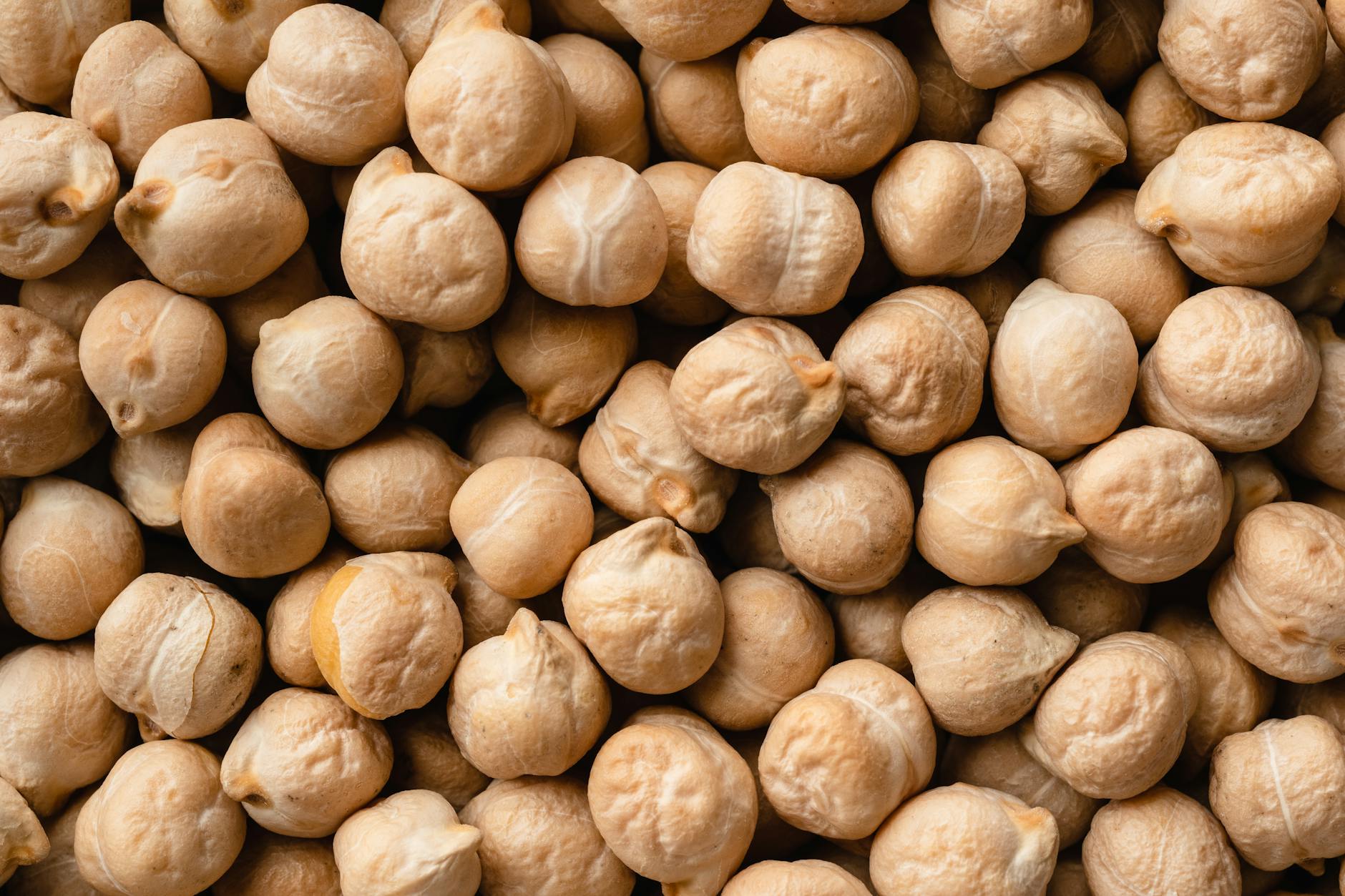
Chickpeas work on multiple levels to protect cognitive function. Beyond the well-known benefits of plant-based proteins and fiber, chickpeas contain choline, which the brain uses to create acetylcholine, a neurotransmitter directly involved in memory formation and recall. This is particularly important after age 50, when acetylcholine production naturally begins to decline. A person eating a regular diet of chickpea-based meals—whether in curries, salads, or hummus—receives a steady supply of this brain-supporting nutrient that many other common foods simply don’t provide in comparable amounts.
The anti-inflammatory compounds in chickpeas are equally important. As we age, chronic low-level inflammation becomes a significant risk factor for neurodegeneration. Chickpeas contain polyphenols and other phytonutrients that actively reduce this inflammation, protecting the delicate structures within the brain. Additionally, chickpeas’ high fiber content supports gut health, which has emerged as a surprising player in brain health—a healthy microbiome produces metabolites that reduce neuroinflammation and support the blood-brain barrier. Consider the difference between someone eating white bread and refined grains versus someone eating chickpea-based meals three times a week: the latter is getting complex carbohydrates that lead to slower, more sustained serotonin production in the brain, potentially protecting against the mood changes and cognitive decline that sometimes precede memory problems.
The Study’s Key Findings and Important Limitations
The 11-year study found that people eating the most unhealthy plant foods (think sugary plant-based snacks, refined grains, and juice rather than whole fruits) actually had a 6% higher dementia risk compared to the lowest-risk group. This is a crucial finding that undermines the notion that “plant-based” automatically means healthy. A diet of vegan processed foods and sugar-laden beverages doesn’t offer the same protection as one focused on whole legumes, vegetables, nuts, whole grains, tea, and coffee. The study identified legumes as the primary driver of dementia risk reduction, suggesting that while all components of a plant-based diet matter, chickpeas and other beans are particular powerhouses.
One important limitation to acknowledge: this was an observational study, not a randomized controlled trial. This means the researchers observed what people ate and what happened to them, rather than randomly assigning people to different diets and controlling all other variables. People who eat more chickpeas and legumes also tend to exercise more, have better healthcare access, and make other health-conscious choices that independently protect against dementia. However, the study’s large size and diverse population help mitigate some of these concerns, and the 11% risk reduction seen in people who changed their diet later in life suggests a direct dietary effect rather than just correlation.
Chickpeas Compared to Other Brain-Healthy Foods
While the study highlighted legumes broadly, chickpeas deserve special attention because they’re among the most versatile and accessible legumes for most people. Unlike some exotic superfoods that are expensive or hard to find, chickpeas are inexpensive, shelf-stable, and available in virtually every grocery store—both canned and dried. A can of chickpeas costs under two dollars and provides multiple servings of brain-protective nutrition. Black beans, kidney beans, and lentils offer similar benefits, but chickpeas have a distinct nutritional profile worth considering.
Per cooked cup, chickpeas provide nearly 15 grams of protein, substantial amounts of folate (vital for protecting DNA in neurons), and manganese, a mineral involved in managing oxidative stress in the brain. The study also identified vegetables, nuts, whole grains, tea, and coffee as important contributors to the dementia-protective effect, but legumes emerged as the strongest factor. This makes chickpeas an especially efficient choice—one food providing multiple protective mechanisms. Someone who doesn’t like lentils might find chickpeas more appealing in roasted form, curried dishes, or hummus spreads. This variety in how chickpeas can be prepared makes them more sustainable as a long-term dietary choice than a single food might be.

Practical Ways to Add Chickpeas to Your Diet After 50
The good news is that adding chickpeas to your diet doesn’t require drastic lifestyle changes or cooking skills you don’t have. Starting small—adding a half-cup of chickpeas to salads three times a week, or having hummus with vegetables as a snack—provides consistent exposure to these protective nutrients without overwhelming change. The study’s finding that dietary changes even in the late 50s or 60s cut dementia risk by 11% means you don’t need to have been eating this way your whole life; the benefits begin accumulating relatively quickly. There’s a practical tradeoff to consider: canned chickpeas are convenient but often contain added sodium, while dried chickpeas require soaking and cooking but provide more control over ingredients and are slightly more economical.
For busy people over 50, canned chickpeas might be the better choice if the sodium doesn’t conflict with any health conditions—convenience matters when it means actually eating the food rather than abandoning the effort because it’s too complicated. Curry dishes, Mediterranean-style preparations, roasted chickpea snacks, chickpea flour for baking, and chickpea pasta are all legitimate ways to increase intake. Someone might replace regular pasta with chickpea pasta once or twice a week, add chickpeas to vegetable soups, or keep roasted chickpeas on hand as a snack instead of chips. The key is finding preparations you actually enjoy, because dietary change only protects against dementia if you sustain it long-term.
Who Benefits Most and Important Caveats
The study’s diverse population—including African American, Japanese American, Latino, Native Hawaiian, and white participants—provides confidence that these findings apply broadly across different genetic backgrounds and metabolisms. However, people with certain health conditions need to be thoughtful about chickpea consumption. Those with kidney disease may need to limit high-potassium foods like chickpeas; people with digestive conditions like IBS might find the fiber content challenging without gradual introduction; and those taking certain medications should consult healthcare providers about potential interactions. It’s also important to recognize that diet alone doesn’t determine dementia risk. Cognitive stimulation, physical exercise, sleep quality, social engagement, hearing correction, blood pressure management, and cognitive training all play significant roles alongside nutrition.
Someone eating chickpeas daily while remaining sedentary, socially isolated, and chronically sleep-deprived will have less benefit than someone making comprehensive lifestyle changes. The study controlled for many variables, but it illustrates correlation and association, not causation. Additionally, while a 7% risk reduction is meaningful and significant at the population level, it doesn’t mean an individual eating chickpeas has only a 7% chance of developing dementia. Dementia risk is multifactorial, and genetics, apolipoprotein E status (a genetic risk factor), head injuries, hearing loss, diabetes, and countless other factors all influence individual outcomes. Chickpeas are one piece of a much larger puzzle.

The Gut Health Connection You Should Know About
A fascinating aspect of the chickpea-brain health relationship involves the gut microbiome. Chickpeas’ soluble fiber is metabolized by beneficial gut bacteria into short-chain fatty acids, particularly butyrate, which crosses the blood-brain barrier and directly reduces neuroinflammation. This represents a completely different mechanism from the direct nutrients chickpeas provide—it’s a two-step process where the food becomes something even more powerful in your gut.
People who suddenly eat much more fiber-rich food often experience digestive discomfort—bloating, gas, changes in bowel movements. This typically resolves in two to three weeks as the microbiome adjusts, but it’s a real barrier to dietary change. Gradual introduction of chickpeas and other legumes, rather than sudden dramatic increases, prevents this adjustment period from becoming so uncomfortable that people abandon the effort.
Looking Forward—What This Research Means for Brain Health Strategy
The April 2026 Neurology study contributes to a growing consensus that the window for protecting your brain remains open well into your 50s, 60s, and beyond. While it’s ideal to eat a plant-rich diet throughout your life, the research shows that the brain’s plasticity and capacity to respond to dietary change persists longer than many people realize.
For people who haven’t prioritized nutrition in their earlier years, this research offers genuine hope that meaningful changes now can still significantly impact cognitive outcomes. Future research will likely examine whether certain populations benefit more from legume consumption than others, and whether specific types of chickpea preparation methods affect nutrient bioavailability. For now, the practical takeaway is clear: chickpeas are a low-cost, accessible, nutrient-dense food with multiple protective mechanisms against cognitive decline, backed by large-scale evidence from diverse populations.
Conclusion
A groundbreaking April 2026 study published in Neurology has established that high-quality plant-based diets rich in legumes like chickpeas protect against dementia and Alzheimer’s disease, with people eating these diets 7% less likely to develop dementia over an 11-year period. Chickpeas specifically deliver choline for memory, folate and magnesium for neuronal protection, fiber for gut health, and anti-inflammatory compounds—all working together to support brain function as we age.
Importantly, the research shows that beginning these dietary changes even in the late 50s or 60s can reduce dementia risk by 11%, meaning it’s never too late to invest in your cognitive future. If you’re over 50 and concerned about brain health, adding chickpeas to your diet is a practical, evidence-based step that requires minimal cost, no special cooking skills, and can integrate into your existing food preferences. Combined with other protective factors—physical activity, cognitive engagement, quality sleep, and social connection—a chickpea-inclusive plant-based diet offers a concrete way to actively reduce your dementia risk rather than passively accepting cognitive decline as inevitable.





