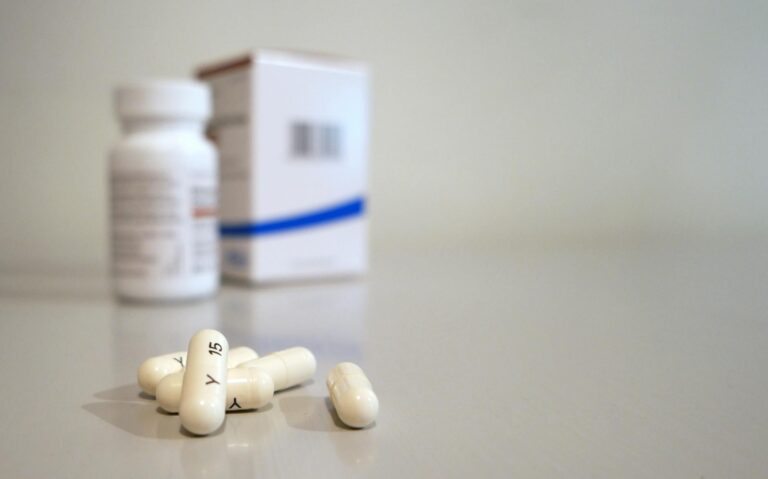
The short answer to the headline is more nuanced than it suggests. As of March 2026, Emgality (galcanezumab), manufactured by Eli Lilly, remains the only CGRP monoclonal antibody with FDA approval for cluster headaches — and that approval came back on June 4, 2019, specifically for reducing the frequency of episodic cluster headache attacks in adults. No new CGRP drug has been approved for cluster headaches since then. What has changed in recent years is a growing body of trial data, a new acute treatment option called Brekiya, and a sobering FDA safety update affecting all drugs in the CGRP class.
For the millions of people living with cluster headaches — sometimes called “suicide headaches” because of their extraordinary severity — the treatment landscape is evolving, but not as fast as many patients and neurologists had hoped. What makes this story relevant to brain health broadly is that cluster headaches involve deep dysfunction in the hypothalamus and trigeminal nerve pathways, systems that overlap with the neurovascular changes seen in aging, dementia risk, and chronic neuroinflammation. Readers following developments in brain health should understand how these targeted therapies work, where they fall short, and what the pipeline looks like going forward. This article covers the clinical trial evidence behind Emgality’s approval, recent failed trials for other CGRP drugs in chronic cluster headache, the new Brekiya autoinjector approved in May 2025, updated FDA safety warnings, drug costs and access, and what experimental treatments are on the horizon.
Table of Contents
- What Is the CGRP Drug Approved for Cluster Headaches, and How Did It Get There?
- Why CGRP Drugs Keep Failing in Chronic Cluster Headache
- Brekiya — A New Acute Treatment That Changes At-Home Care
- Cost, Insurance, and Access — What Patients Actually Pay
- FDA Safety Warnings — Hypertension and Raynaud’s Risk With CGRP Drugs
- What Other CGRP Drugs Have Been Tried — and Why They Have Not Worked
- The Pipeline — What Is Coming Next for Cluster Headache Treatment
- Conclusion
- Frequently Asked Questions
What Is the CGRP Drug Approved for Cluster Headaches, and How Did It Get There?
Calcitonin gene-related peptide, or CGRP, is a signaling molecule heavily involved in pain transmission and blood vessel dilation in the brain. During a cluster headache attack, CGRP levels spike dramatically in the trigeminal system, which is why drugs that block CGRP or its receptor became such attractive therapeutic targets. Emgality (galcanezumab) works by binding directly to the CGRP molecule itself, neutralizing it before it can trigger the cascade of vasodilation and nerve firing that produces the searing, one-sided orbital pain characteristic of cluster headache. The drug was already approved for migraine prevention, but Eli Lilly pursued a separate indication for episodic cluster headache based on a dedicated clinical program. The pivotal study was the CGAL trial, a randomized, double-blind, placebo-controlled study enrolling 106 adults with episodic cluster headache. Patients received either galcanezumab 300 mg or placebo by subcutaneous injection.
At baseline, both groups were experiencing roughly 17.5 attacks per week — a punishing frequency. Over the first three weeks, the galcanezumab group experienced 8.7 fewer weekly attacks compared to 5.2 fewer in the placebo group, a statistically significant difference. By week three, 71.4 percent of patients on galcanezumab had achieved at least a 50 percent reduction in weekly attacks, compared to 52.6 percent on placebo. These numbers may not sound dramatic in isolation, but for a condition with almost no previously approved preventive treatments, they represented a genuine advance. It is worth noting, however, that the trial was relatively small — 106 patients — and covered only episodic cluster headache, not the chronic form. Cluster headache is rare enough that recruiting large trial populations is extraordinarily difficult, which is part of why progress has been slow. The approval was also narrowly scoped: Emgality is indicated to reduce attack frequency during episodic cluster periods, not to treat individual attacks acutely and not to prevent chronic cluster headache.

Why CGRP Drugs Keep Failing in Chronic Cluster Headache
The distinction between episodic and chronic cluster headache matters enormously for treatment. Episodic cluster headache involves bouts of attacks lasting weeks to months, separated by remission periods of at least three months. Chronic cluster headache means attacks occur for more than a year without a remission period of three months or longer. Roughly 10 to 20 percent of cluster headache patients have the chronic form, and their suffering is relentless. Unfortunately, CGRP drugs have repeatedly failed to help this population in clinical trials. Galcanezumab itself was tested in a separate trial for chronic cluster headache and failed to meet its primary and secondary endpoints. More recently, the CHERUB01 trial — published in JAMA Network Open in 2025 — tested erenumab (marketed as Aimovig for migraine) in 81 adults with chronic cluster headache across 11 sites in Germany.
Patients received a 280 mg loading dose of erenumab followed by 140 mg at week four, or placebo. The result was unambiguous: erenumab did not work. Mean reduction in weekly attacks was 7.3 for erenumab versus 5.9 for placebo, a difference of just 1.5 attacks that was not statistically significant. Even more discouraging, the 50 percent responder rate was 31.7 percent for erenumab versus 45.0 percent for placebo — meaning patients on the active drug actually did numerically worse than those receiving a sham injection. The repeated failures suggest that chronic cluster headache may involve pathophysiological mechanisms beyond CGRP alone. The hypothalamic dysfunction underlying chronic cluster headache appears more deeply entrenched than in the episodic form, possibly involving additional neuropeptide systems, central sensitization, or neuroplastic changes that CGRP blockade simply cannot reverse. For patients and caregivers, this is a critical point: if someone with chronic cluster headache is told that CGRP drugs are the answer, the clinical evidence does not support that claim. Other approaches — including verapamil, lithium, occipital nerve stimulation, and oxygen therapy — remain the mainstays for chronic cluster headache management.
Brekiya — A New Acute Treatment That Changes At-Home Care
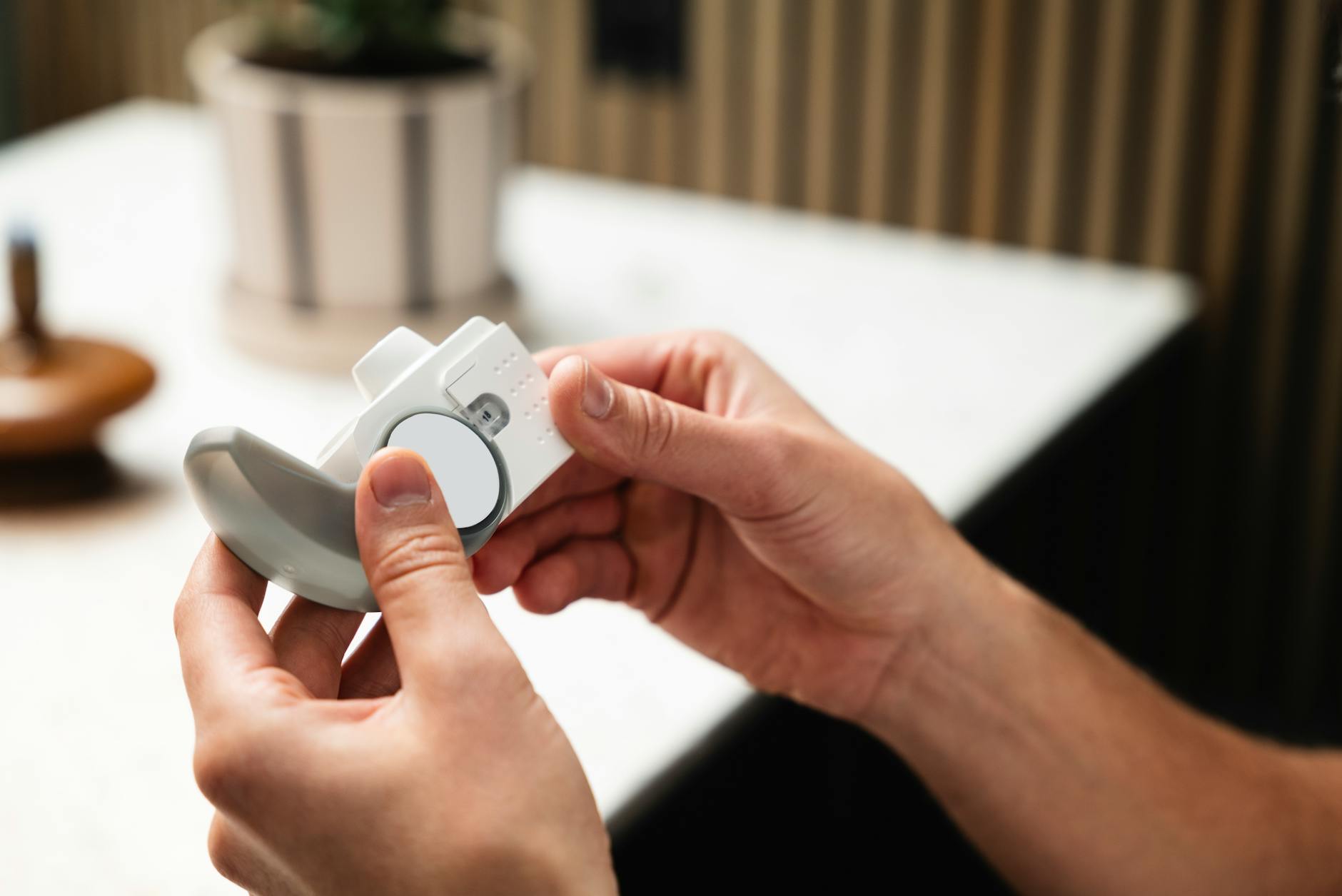
While the preventive treatment landscape for cluster headaches has been frustratingly stagnant on the CGRP front, a meaningful advance arrived in acute care. On May 15, 2025, the FDA approved Brekiya, the first and only autoinjector formulation of dihydroergotamine (DHE), for the acute treatment of both migraine and cluster headache attacks in adults. Manufactured by Amneal Pharmaceuticals, Brekiya delivers a 1 mg subcutaneous dose of DHE — the same medication that emergency departments and headache centers have long administered intravenously — in a device that requires no refrigeration, assembly, or priming. For cluster headache patients, this is a practical breakthrough. Previously, injectable DHE required either a hospital visit or a complicated self-injection process with vials and syringes. Sumatriptan injections have been the standard acute rescue treatment, but some patients do not respond adequately or cannot tolerate triptans. Brekiya gives neurologists another option to put directly into a patient’s hands.
A person waking at two in the morning with the onset of a cluster attack — a common scenario — can now administer DHE at home within minutes rather than driving to an emergency room. It is important to clarify that Brekiya is not a CGRP drug. It is an ergot derivative that works through serotonin receptor agonism and vasoconstriction. It treats attacks that are already happening; it does not prevent future attacks. The cost is significant: retail pricing runs approximately $4,201 per carton of four autoinjectors. However, Amneal offers a commercial insurance copay program that can bring the patient cost down to as little as $40 per carton. Patients without commercial insurance or with high-deductible plans may face substantial out-of-pocket costs, so discussing financial assistance options with a prescribing neurologist or specialty pharmacy is essential before starting treatment.
Cost, Insurance, and Access — What Patients Actually Pay
Drug pricing in the cluster headache space illustrates the broader dysfunction of specialty pharmaceutical economics in the United States. Emgality carries a retail price of roughly $764 to $876 per injection pen as of 2025–2026. The dosing regimen for cluster headache is three 100 mg injections (300 mg total) administered at the onset of each cluster period, then repeated monthly until the cluster period ends. That means the initial dose costs approximately $2,300 to $2,600 at retail, with monthly costs continuing for the duration of the cluster bout. Eli Lilly offers a savings card that can reduce the out-of-pocket cost to as little as $35 per month for patients with commercial insurance, covering up to $4,900 per year. This is a meaningful subsidy, but it comes with caveats. The savings card typically does not apply to government insurance programs like Medicare, Medicaid, or Tricare.
Patients on these plans may need to pursue prior authorization, step therapy requirements, or manufacturer patient assistance programs, all of which add bureaucratic burden to an already distressing condition. Compared to Brekiya’s $4,201 per carton retail price (with a potential copay as low as $40 through Amneal’s program), the cost structures differ substantially based on whether a patient needs preventive treatment, acute treatment, or both. Many cluster headache patients will need both, compounding the financial pressure. For caregivers and family members who read this site in the context of brain health and aging, it is worth noting that older adults with cluster headaches may face additional barriers. Medicare Part D coverage for self-injectable biologics like Emgality has improved but remains variable by plan. Cognitive decline in a family member may also complicate self-injection, requiring caregiver involvement or home health support. These practical realities should be part of any treatment conversation with a neurologist.
FDA Safety Warnings — Hypertension and Raynaud’s Risk With CGRP Drugs
In March 2025, the FDA updated safety labeling for all CGRP monoclonal antibodies (including galcanezumab, erenumab, fremanezumab, and eptinezumab) as well as the oral gepant class of CGRP receptor antagonists. The updated labeling now includes warnings about the risk of developing or worsening preexisting hypertension and Raynaud’s phenomenon — a condition involving episodic constriction of small blood vessels, typically in the fingers and toes, causing pain, numbness, and color changes. This safety signal is particularly relevant for older adults and for anyone with existing cardiovascular risk factors. CGRP plays a protective vasodilatory role throughout the body, not just in the brain. Blocking it systemically can, in some individuals, tip the balance toward vasoconstriction and elevated blood pressure.
For patients already managing hypertension — which includes a large proportion of adults over 60 — adding a CGRP-blocking drug requires careful blood pressure monitoring and coordination between the prescribing neurologist and the patient’s primary care physician or cardiologist. Patients who notice new cold sensitivity in their extremities, color changes in their fingers, or unexplained blood pressure increases after starting a CGRP therapy should report these symptoms promptly. The warning does not mean these drugs are unsafe for everyone, but it does narrow the risk-benefit calculation. A 40-year-old with episodic cluster headache and no cardiovascular history has a very different risk profile than a 70-year-old with controlled hypertension and early vascular cognitive impairment. Clinicians and patients need to weigh these factors explicitly, and the updated labeling gives them the regulatory impetus to do so.

What Other CGRP Drugs Have Been Tried — and Why They Have Not Worked
Beyond galcanezumab and erenumab, researchers have explored other CGRP monoclonal antibodies for cluster headache with disappointing results. Fremanezumab (marketed as Ajovy by Teva) and eptinezumab (marketed as Vyepti by Lundbeck, administered intravenously) have both undergone clinical investigation for cluster headache, but neither has produced results sufficient for FDA approval in this indication. As of March 2026, clinical trials for these drugs in cluster headache have been unsuccessful, and no cluster headache indication is approved for either agent.
The pattern of failure across multiple CGRP-targeting drugs reinforces a difficult truth: cluster headache, despite sharing some biological features with migraine, is a fundamentally different disorder. The hypothalamic pacemaker that drives cluster headache periodicity, the extreme autonomic activation during attacks, and the unique circadian and circannual rhythms of the condition all suggest that CGRP is only one piece of a much more complex puzzle. For patients who have pinned their hopes on the CGRP drug class, this is sobering but important context. It does not mean that Emgality is ineffective for episodic cluster headache — the CGAL trial data clearly shows benefit — but it does mean that expanding CGRP therapy to other cluster headache populations will require either different drug designs or combination approaches that address multiple pathways simultaneously.
The Pipeline — What Is Coming Next for Cluster Headache Treatment
Looking beyond the current CGRP class, several experimental approaches are in various stages of development. One worth watching is elismetrep, a TRPM8 antagonist being developed by Kallyope. TRPM8 is a cold-sensing ion channel that has emerged as a novel pain target, representing a mechanism entirely different from CGRP blockade. Elismetrep is advancing toward pivotal registrational trials beginning in mid-2026, though its current clinical program is focused on migraine rather than cluster headache.
Whether it will eventually be tested in cluster headache populations remains to be seen, but any new mechanism of action that proves effective in headache disorders opens the door to broader investigation. The research community is also exploring psilocybin and other psychedelic compounds for cluster headache, neurostimulation devices targeting the sphenopalatine ganglion and vagus nerve, and monoclonal antibodies directed at targets other than CGRP, such as pituitary adenylate cyclase-activating polypeptide (PACAP). None of these have reached FDA approval for cluster headache as of this writing, but the breadth of investigation reflects growing recognition that this condition has been neglected for too long. For readers of this site interested in brain health more broadly, the overlap between headache neuroscience and dementia research — particularly in the areas of neuroinflammation, vascular dysfunction, and hypothalamic aging — means that advances in one field may eventually inform the other.
Conclusion
The state of CGRP therapy for cluster headaches in early 2026 is a story of limited but real progress. Emgality remains the sole CGRP drug approved for the condition, effective in episodic cluster headache based on the CGAL trial but not in the chronic form. Recent trials of erenumab in chronic cluster headache have failed outright, and other CGRP antibodies have not fared better. The approval of Brekiya as a DHE autoinjector in May 2025 added a genuinely useful acute treatment option, though it operates through an entirely different mechanism.
Meanwhile, the March 2025 FDA safety update on hypertension and Raynaud’s risk reminds patients and clinicians that CGRP blockade carries systemic consequences that require monitoring. For patients, caregivers, and anyone following brain health developments, the practical takeaway is this: if you or someone you care for has episodic cluster headache, Emgality is worth discussing with a neurologist, with clear-eyed attention to cost, insurance coverage, and the new cardiovascular safety warnings. For chronic cluster headache, the evidence does not currently support CGRP drugs, and other treatment strategies should be prioritized. Stay informed about pipeline therapies, but be cautious about early-stage hype. The history of cluster headache treatment is littered with promising mechanisms that did not survive rigorous clinical testing, and the next breakthrough — whenever it comes — will need to clear that same high bar.
Frequently Asked Questions
Is Emgality FDA-approved for all types of cluster headaches?
No. Emgality (galcanezumab) is approved only for episodic cluster headache, not chronic cluster headache. A separate clinical trial of galcanezumab in chronic cluster headache failed to meet its primary and secondary endpoints.
What is the dosing for Emgality in cluster headache versus migraine?
For cluster headache, the dose is 300 mg (three 100 mg injections) at the start of each cluster period, repeated monthly until the period ends. This is higher than the standard migraine prevention dose of 120 mg monthly (after a 240 mg loading dose).
How much does Emgality cost without insurance?
Retail pricing runs approximately $764 to $876 per injection pen. Since the cluster headache dose requires three pens, the initial monthly cost at retail is roughly $2,300 to $2,600. Eli Lilly’s savings card can reduce the cost to as little as $35 per month for patients with qualifying commercial insurance.
What is Brekiya, and is it a CGRP drug?
Brekiya is not a CGRP drug. It is a dihydroergotamine (DHE) autoinjector approved in May 2025 for acute treatment of migraine and cluster headache attacks. It delivers a 1 mg subcutaneous dose and is the first DHE formulation designed for easy at-home self-injection without refrigeration or assembly.
Did the erenumab trial for cluster headaches show any benefit?
No. The CHERUB01 trial published in 2025 found that erenumab did not significantly reduce chronic cluster headache attacks compared to placebo. The 50 percent responder rate was actually numerically worse in the erenumab group (31.7 percent) than in the placebo group (45.0 percent).
Are there new safety concerns with CGRP drugs?
Yes. In March 2025, the FDA updated labeling for all CGRP monoclonal antibodies and gepants to warn about the risk of developing or worsening hypertension and Raynaud’s phenomenon. Patients with existing cardiovascular conditions should discuss these risks with their physician before starting treatment.