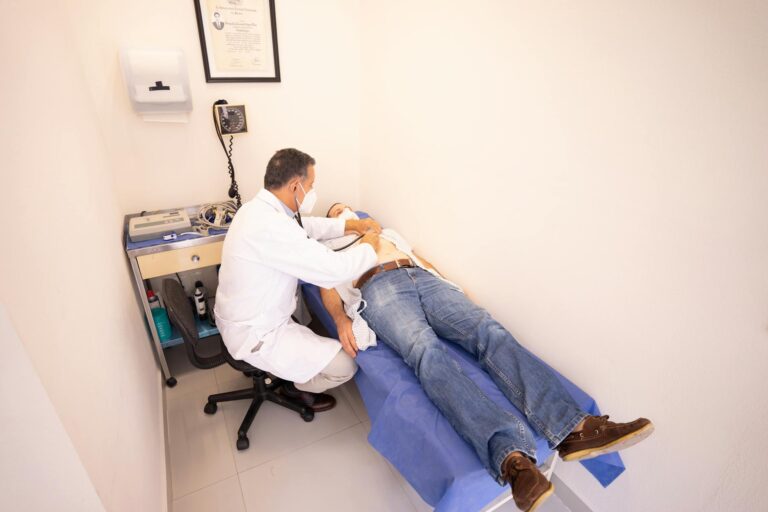
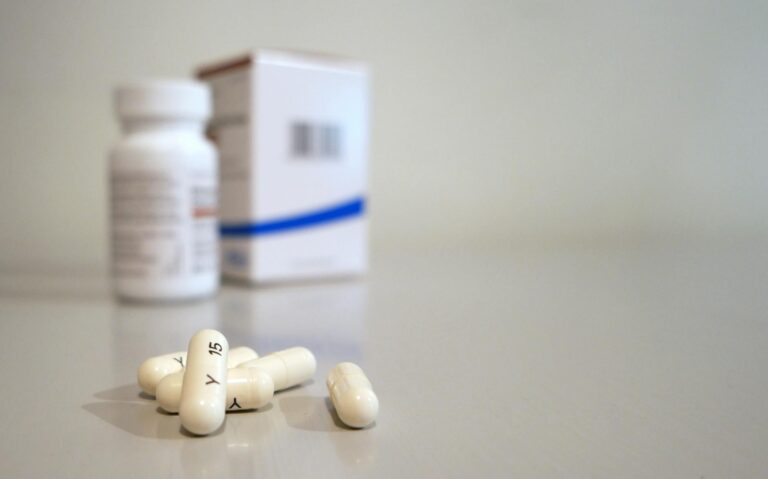
A naltrexone implant is a small pellet surgically placed under the skin that slowly releases medication over two to six months, blocking the brain’s opioid receptors and effectively eliminating the pleasurable “reward” that alcohol delivers. In clinical trials, 53 percent of patients receiving the implant remained in treatment with no relapse at six months, compared to just 11 percent on placebo — a striking result that raises an obvious question: why isn’t this available at every addiction clinic in the country? The answer is that naltrexone implants are not FDA-approved for any indication in the United States, and most physicians have never encountered them in training, guidelines, or formularies. That gap between promising data and clinical reality is worth examining carefully. Approximately 29.5 million Americans ages 12 and older had alcohol use disorder in the past year, yet only an estimated 2 to 9 percent of those patients receive any FDA-approved medication for it.
The implant version sits in an even more obscure category — experimental, unregulated in most countries, and manufactured primarily by an Australian company that isn’t even authorized to sell the devices domestically. This article covers how naltrexone implants work, what the clinical evidence actually shows, the costs and risks involved, who might benefit, and what recent developments in 2026 could change the landscape. For anyone navigating alcoholism in a family member with cognitive decline or early dementia, understanding this treatment option matters. Chronic heavy drinking accelerates neurodegeneration, and anything that effectively reduces alcohol consumption has downstream implications for brain health. But the implant is not a simple prescription — it requires navigating a complicated regulatory and medical landscape.
Table of Contents
- How Does a Naltrexone Implant for Alcoholism Actually Work?
- What the Clinical Evidence Shows — And Where It Falls Short
- Why Most Doctors Have Never Heard of Naltrexone Implants
- Comparing Costs — Oral Naltrexone, Vivitrol, and Implants
- Safety Concerns and What Could Go Wrong
- Alcohol, Brain Health, and Why Effective Treatment Matters for Dementia Risk
- What Is Happening in 2026 and What Comes Next
- Conclusion
- Frequently Asked Questions
How Does a Naltrexone Implant for Alcoholism Actually Work?
Naltrexone is a mu-opioid receptor antagonist, meaning it binds to the same receptors in the brain that respond to opioids and, indirectly, to the endorphins released during alcohol consumption. When those receptors are blocked, drinking no longer produces the same euphoric or reinforcing sensation. Over time, many patients find that cravings diminish because the neurological payoff simply isn’t there anymore. This mechanism was compelling enough for the FDA to approve oral naltrexone for alcohol use disorder back in 1994 and the monthly injectable form, Vivitrol, in 2006. The implant takes this a step further. Small medication pellets containing naltrexone are inserted under the skin, typically in the lower abdomen, through a minor surgical procedure. These pellets gradually release the drug over two to six months, compared to a daily The most frequently cited trial on naltrexone implants compared the implant against oral naltrexone and placebo over six months. The results were notable: 53 percent of implant patients remained in treatment with no relapse, compared to 16 percent on oral naltrexone and 11 percent on placebo. That threefold improvement over oral naltrexone suggests that the delivery mechanism itself — not just the drug — makes a significant clinical difference. However, naltrexone is not universally effective across all populations. A large VA study of 627 veterans with chronic, severe alcohol dependence found that 50 milligrams of daily oral naltrexone, whether administered for 3 or 12 months, was not significantly better than placebo. This is an important caveat. Patients with the most entrenched, severe forms of alcohol dependence may not respond to naltrexone at all, regardless of how it is delivered. If the underlying neurobiology has shifted beyond the point where opioid receptor blockade can meaningfully alter drinking behavior, the implant won’t be a magic solution. Clinicians considering this approach for patients — particularly older adults with long drinking histories and possible cognitive impairment — need to weigh this limitation seriously. Extended-release naltrexone in its approved injectable form, Vivitrol, has shown meaningful results as well, contributing to an average 15-day reduction in heavy drinking days per month. That is a substantial improvement, and it is available right now through standard medical channels. For many patients, Vivitrol may represent the practical ceiling of what is currently accessible, even if the implant data looks more impressive. The simplest explanation is regulatory. Naltrexone implants are not FDA-approved for any indication in the United States. Apart from the Russian Federation, no country has approved regular clinical use of naltrexone implants outside of research settings. When a treatment doesn’t appear in prescribing guidelines, insurance formularies, or medical school curricula, physicians simply don’t learn about it. The World Journal of Biological Psychiatry guidelines summarized the situation plainly: naltrexone implants cannot yet be recommended for clinical use because, although there are promising efficacy data, safety concerns remain. The manufacturing situation adds another layer of obscurity. Most implants used in the United States are manufactured by Go Medical Industries in Australia — a company that is not authorized to sell the devices within Australia itself. They are produced exclusively for export. This regulatory oddity means the implants exist in a gray zone: available through independent treatment center networks operating outside standard FDA channels, but without the oversight, standardized dosing, or quality assurance that comes with approved medications. For a physician who could lose their license over an unapproved treatment that goes wrong, the risk calculus is straightforward. There is also a broader systemic problem. Medication-assisted treatment for alcohol use disorder is underutilized across the board. Only 2 to 9 percent of eligible patients receive any FDA-approved medication for alcoholism. Many physicians still view addiction primarily through a behavioral or moral lens rather than a pharmacological one, and those who do prescribe medications tend to stick with what they know — typically oral naltrexone or acamprosate. The implant, being experimental and largely invisible in standard medical practice, never enters the conversation. Cost is one of the most practical considerations for patients and families, and the three delivery methods differ substantially. Oral naltrexone is the most affordable option at roughly 25 to 108 dollars per month without insurance for 50-milligram tablets. For a patient who can reliably take a daily pill, this is an accessible and evidence-supported choice. The challenge, again, is adherence — and for someone whose cognitive function is already compromised by alcohol-related brain damage or early dementia, remembering a daily medication can be unrealistic. Vivitrol, the FDA-approved monthly injection, costs approximately 1,200 to 1,800 dollars per month, including 1,000 to 1,500 dollars for the medication itself plus a 100- to 300-dollar administration fee. Many insurance plans cover it, particularly for patients with a documented alcohol use disorder diagnosis, but out-of-pocket costs can still be significant. The tradeoff is that once-monthly dosing is far more manageable than daily pills, and the treatment is fully legal and regulated. Naltrexone implant pricing is not standardized, precisely because the devices are not FDA-approved. They are available through independent treatment networks, and a single implant covers three to six months. Because these fall outside insurance formularies, patients typically pay entirely out of pocket. For families weighing options, the honest comparison is this: Vivitrol offers most of the adherence benefit of an implant with the safety net of FDA regulation and potential insurance coverage, while the implant offers longer-duration coverage but with unregulated manufacturing, no insurance support, and unresolved safety questions. The World Journal of Biological Psychiatry’s caution about safety concerns is not a formality. Surgical implantation carries inherent risks — infection at the insertion site, implant migration, scarring, and in rare cases, the need for surgical removal if complications arise. Because these devices are not manufactured under FDA oversight in the United States, there is no standardized protocol for implant composition, naltrexone dosage, or release rate. Different clinics may use different products with different profiles. There is also a critical pharmacological consideration. Naltrexone blocks opioid receptors, which means that if a patient with an implant experiences a medical emergency requiring opioid pain management — a car accident, a surgery, a fall resulting in a fracture — standard pain medications like morphine or fentanyl will not work effectively. This is true of all naltrexone formulations, but the implant makes it impossible to simply stop taking the medication. For older adults who are statistically more likely to need emergency medical care, this is not a trivial concern. Patients with implants should carry medical identification indicating that they have an active opioid antagonist in their system. Finally, the lack of FDA approval means that if something goes wrong, patients have fewer legal and regulatory protections. There is no adverse event reporting system specific to these devices, no manufacturer liability framework equivalent to what exists for approved drugs, and limited recourse if an implant causes harm. Families considering this option should understand that they are, in a meaningful sense, participating in an unregulated experiment. Chronic heavy drinking is one of the modifiable risk factors for dementia, and its effects on the brain are well documented — shrinkage of the hippocampus, disruption of white matter integrity, thiamine deficiency leading to Wernicke-Korsakoff syndrome, and accelerated cognitive decline in people who already have neurodegenerative disease. For a patient in their 60s or 70s with mild cognitive impairment and a longstanding alcohol problem, every month of continued heavy drinking compounds the damage. This is why the treatment adherence question matters so much in the context of brain health. A medication that a patient cannot remember to take, or chooses not to take, offers no neuroprotective benefit. The appeal of a long-acting formulation — whether Vivitrol’s monthly injection or a hypothetical FDA-approved implant — is that it removes the daily decision point. For caregivers managing a loved one’s cognitive decline alongside their alcohol use, a treatment that works passively in the background is qualitatively different from one that requires daily cooperation. The most significant development is that naltrexone implants are finally entering the formal FDA pipeline. On January 14, 2026, BioCorRx Pharmaceuticals initiated a Phase 1 clinical study of BICX104, an investigational long-acting subcutaneous naltrexone implant designed to maintain sustained plasma concentrations for approximately three months. The trial, registered as NCT07269873 on ClinicalTrials.gov, is comparing BICX104, with or without bupropion, against Vivitrol. Just two months later, on March 11, 2026, the USPTO issued U.S. Patent No. 12,569,430 for BioCorRx’s biodegradable implant technology. The company has also been awarded an approximately 11-million-dollar grant from the National Institute on Drug Abuse over three years to study BICX104 for methamphetamine use disorder, with applications for opioid and alcohol use disorders. These are early-stage developments. A Phase 1 trial is designed primarily to assess safety, not efficacy, and the path from Phase 1 to FDA approval typically takes many years. But the combination of federal grant funding, patent protection, and an active clinical trial suggests that a regulated naltrexone implant could eventually become a legitimate treatment option. In the addiction treatment market — estimated at 36 billion dollars — there is clear commercial incentive to bring a long-acting implant to approval. For now, patients and families should focus on the treatments that are available and proven: oral naltrexone, Vivitrol, behavioral therapy, and comprehensive addiction care. Naltrexone implants represent one of the more compelling ideas in addiction medicine — a treatment that works continuously for months, removes the adherence problem that undermines oral medications, and has produced striking clinical trial results. The 53-percent no-relapse rate at six months, compared to 11 percent on placebo, is the kind of data that should drive widespread adoption. But the gap between promising trial results and a regulated, accessible treatment remains wide. The implants are not FDA-approved, carry unresolved safety concerns, are manufactured in a regulatory gray zone, and are unavailable through standard medical channels. For families dealing with alcoholism alongside cognitive decline or dementia risk, the practical path forward involves the treatments that exist today. Oral naltrexone is affordable and effective for patients who can adhere to a daily regimen. Vivitrol offers a monthly alternative with strong evidence behind it. Both are underutilized — the fact that fewer than one in ten eligible patients receives any medication for alcohol use disorder is itself a failure of the medical system. Advocating for medication-assisted treatment with a primary care physician or addiction specialist is the most actionable step most families can take right now, while keeping an eye on BioCorRx’s BICX104 trial and the broader regulatory landscape for what may become available in the years ahead. Naltrexone implants are not FDA-approved for any indication in the United States. They are available through some independent treatment centers operating outside standard FDA channels, but they are considered experimental. Apart from the Russian Federation, no country has approved regular clinical use of naltrexone implants outside of research settings. Naltrexone is a mu-opioid receptor antagonist. It blocks the receptors in the brain that respond to endorphins released during drinking, eliminating the euphoric “reward” effect of alcohol. Over time, this reduces cravings because the neurological reinforcement is no longer present. Vivitrol is an FDA-approved monthly injection of extended-release naltrexone, costing approximately 1,200 to 1,800 dollars per month. Naltrexone implants are surgically inserted pellets that release medication over two to six months but are not FDA-approved, not covered by insurance, and manufactured without standard regulatory oversight. No. Naltrexone blocks opioid receptors, which means standard pain medications like morphine or fentanyl will not work effectively. This is especially important for older adults who may need emergency medical care. Patients on any form of naltrexone should carry medical identification indicating they are on an opioid antagonist. No. A large VA study of 627 veterans with chronic, severe alcohol dependence found that oral naltrexone was not significantly better than placebo. Efficacy appears to vary by population severity, and patients with the most entrenched forms of alcohol dependence may not respond to naltrexone regardless of delivery method. In January 2026, BioCorRx Pharmaceuticals initiated a Phase 1 clinical trial of BICX104, an investigational naltrexone implant designed to last approximately three months. The company has also received an approximately 11-million-dollar NIDA grant and a U.S. patent for its biodegradable implant technology. However, Phase 1 trials focus on safety, and FDA approval is likely years away.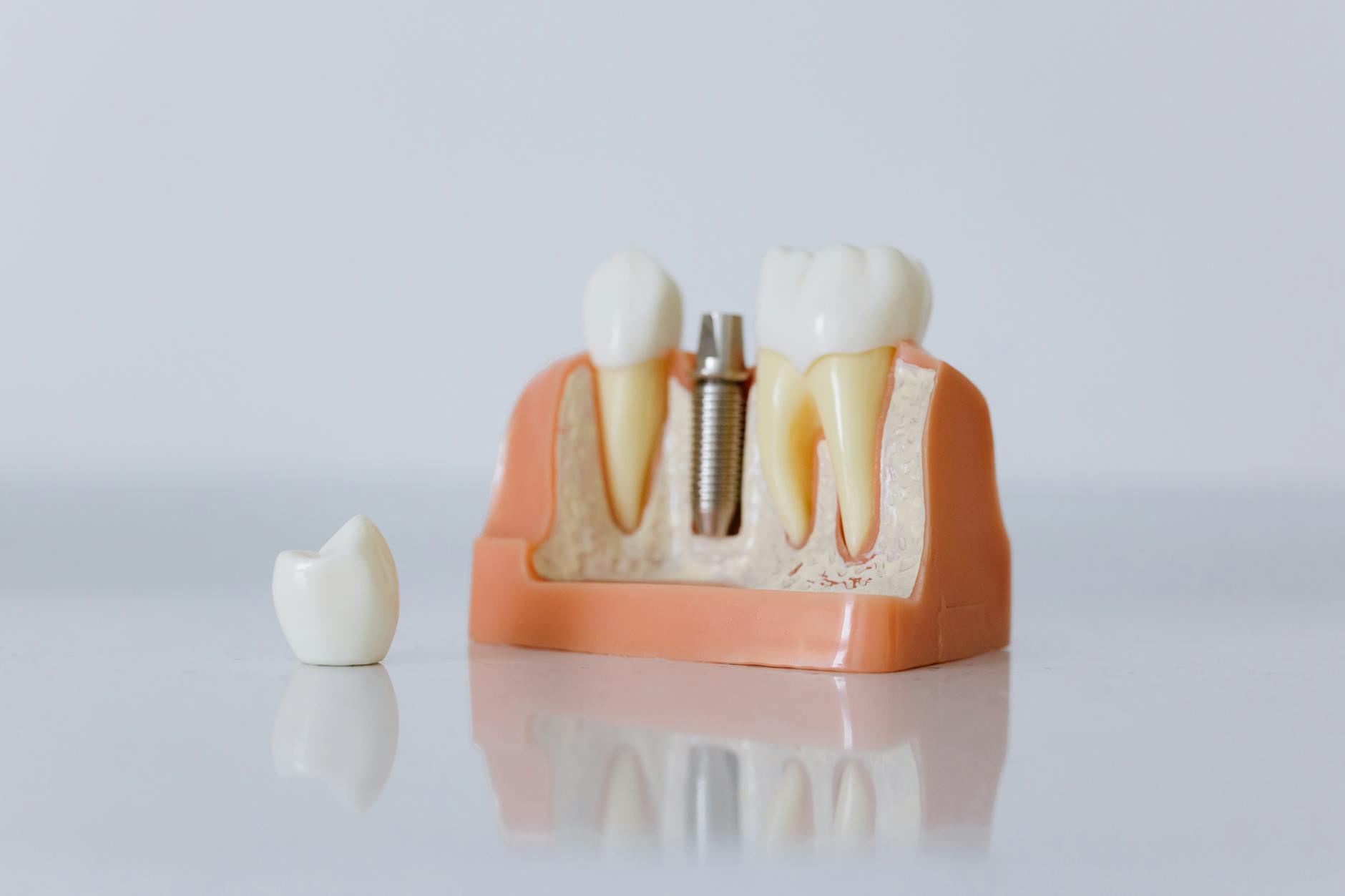
What the Clinical Evidence Shows — And Where It Falls Short
Why Most Doctors Have Never Heard of Naltrexone Implants

Comparing Costs — Oral Naltrexone, Vivitrol, and Implants
Safety Concerns and What Could Go Wrong

Alcohol, Brain Health, and Why Effective Treatment Matters for Dementia Risk
What Is Happening in 2026 and What Comes Next
Conclusion
Frequently Asked Questions
Is a naltrexone implant legal in the United States?
How does naltrexone reduce alcohol cravings?
What is the difference between naltrexone implants and Vivitrol?
Can you take opioid pain medications while using naltrexone?
Does naltrexone work for everyone with alcohol use disorder?
What is the latest research on naltrexone implants?
You Might Also Like