Military activity is expanding dramatically across multiple regions worldwide in 2026, marking one of the most significant periods of global military buildup in decades. The United States has deployed its largest military force to the Middle East since the 2003 Iraq invasion, with two aircraft carrier strike groups and the USS Boxer amphibious ready group—carrying approximately 4,500 personnel—deployed to the region beginning in late January 2026.
This expansion extends far beyond the Middle East, however. Countries across the globe are simultaneously increasing military spending, modernizing defense capabilities, and expanding operational presence into new areas, driven by escalating geopolitical tensions and territorial concerns. This article examines the scope of military expansion worldwide, from the Middle East buildup to European defense increases, space force modernization, and the strategic competition reshaping global security.
Table of Contents
- Why Is the Middle East Seeing Such Significant US Military Expansion?
- What Are Global Defense Spending Trends Behind This Expansion?
- How Is Space and Technology Reshaping Military Expansion?
- What Role Does Naval Expansion Play in Military Buildup?
- How Are Allied Nations Responding to the Broader Expansion?
- Where Else Are Military Operations Expanding?
- What Does the Future Hold as Military Expansion Continues?
- Conclusion
Why Is the Middle East Seeing Such Significant US Military Expansion?
The Middle East has become the focal point of expanded US military operations in 2026, with the deployment representing the most substantial force concentration in the region since the Iraq War. The USS Boxer amphibious ready group, deployed from California, carries Marines, sailors, and advanced military equipment, arriving alongside carrier strike groups in what military officials describe as a demonstration of commitment to regional security. The escalation intensified on February 28, 2026, when joint US-Israel military strikes targeted Iran, signaling a shift toward more direct military action in regional conflicts.
The scale of this expansion reflects growing concerns about Iranian capabilities and activities in the region, as well as threats to shipping routes and regional allies. However, large military deployments also carry risks of unintended escalation, particularly when multiple military forces operate in close proximity with competing strategic interests. The concentration of military hardware and personnel in a relatively small geographic area increases the likelihood of miscalculation or accidental confrontation.

What Are Global Defense Spending Trends Behind This Expansion?
Military expansion in 2026 is not limited to US operations—it reflects a worldwide shift in defense priorities and spending. China increased its defense budget by 7% in 2026, reaching approximately 1.91 trillion yuan, equivalent to roughly $277 billion USD, demonstrating sustained commitment to military modernization despite slower economic growth. This spending targets China’s 2035 military modernization goals, focusing on advanced technologies and capabilities that position China as a major power capable of competing with the United States globally.
Meanwhile, European nations have dramatically increased their military budgets, with a 13% real-terms increase compared to previous years, raising Europe’s share of global defense expenditure to 21%—up from 17% in 2022. This represents a significant reorientation of European priorities, driven by security concerns related to regional conflicts and the perceived need for greater military independence. However, this surge in defense spending comes at a time when many nations face budget constraints in other critical areas such as healthcare, education, and infrastructure, creating difficult tradeoffs in national spending priorities.
How Is Space and Technology Reshaping Military Expansion?
The US space Force received record fiscal 2026 funding approaching $40 billion, reflecting recognition that future military competition will be decided partly in space and through advanced technological systems. This funding supports full-spectrum warfighting capabilities designed to counter escalating threats from China and Russia, who are simultaneously advancing their own space-based military systems. Space-based assets now play a critical role in communications, navigation, surveillance, and targeting for military operations worldwide.
This emphasis on space capabilities reflects a fundamental shift in military strategy—expanding the traditional domains of land, sea, and air conflict to include space and cyberspace. The expansion into these domains requires specialized training, new equipment, and organizational restructuring that continues to evolve. However, space-based systems are vulnerable to debris, anti-satellite weapons, and jamming, meaning that expanding into space doesn’t eliminate traditional military vulnerabilities but rather adds new strategic uncertainties.
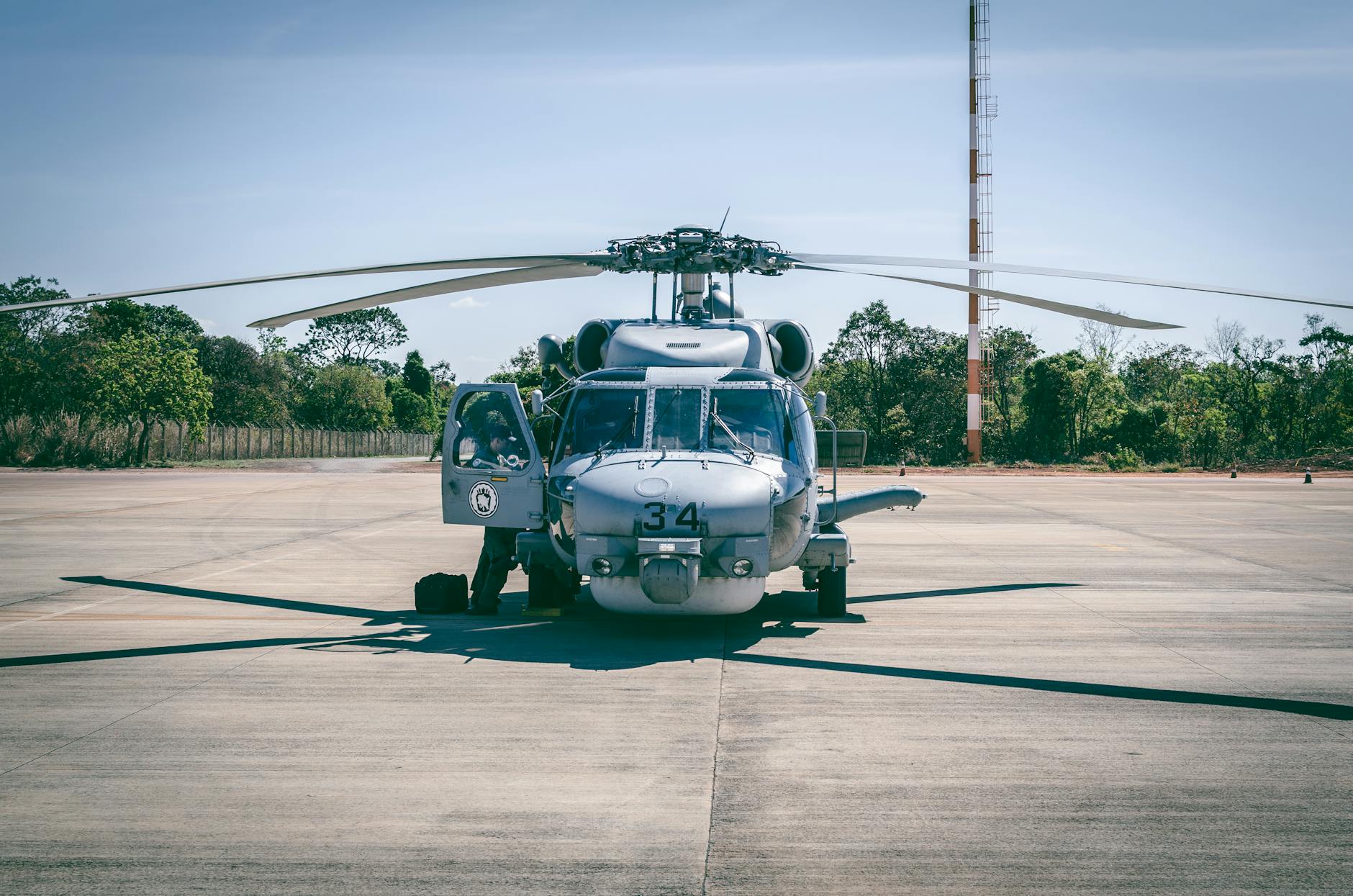
What Role Does Naval Expansion Play in Military Buildup?
Naval forces are central to the global military expansion in 2026, with the frigates market alone projected to grow at a compound annual growth rate of 8%, reaching from a base of $9 billion in 2025. This growth is driven by fleet modernization programs in South China Sea nations including China, India, Japan, South Korea, and Australia, each seeking to enhance their naval capabilities amid growing concern about maritime security and territorial disputes. New frigate designs emphasize advanced radar systems, missile capabilities, and autonomous operations.
The expansion of naval fleets reflects recognition that sea-based control and power projection remain central to military strategy and national security. However, naval expansion is expensive—modern frigates cost hundreds of millions of dollars each—and smaller nations often face difficult decisions about whether to invest in naval capabilities or other defense and civilian priorities. The concentration of naval expansion in the Asia-Pacific region signals where global military competition is increasingly focused.
How Are Allied Nations Responding to the Broader Expansion?
European allies have responded to the global military expansion with their own force modernization and increases in defense commitments. The 13% increase in European defense spending represents the most significant peacetime increase in recent European history, signaling a fundamental shift away from the post-Cold War security environment. NATO members are increasing defense budgets, modernizing equipment, and expanding military personnel, though progress varies significantly across member states.
Additionally, US military operations have expanded globally to include Somalia, Iraq, Syria, Yemen, the Caribbean, the eastern Pacific, and Nigeria, with operations directed against ISIS, Houthi forces, drug trafficking organizations, and other militant groups. Joint operations with partners including Israel and Ecuador demonstrate the networked nature of modern military operations, in which multiple nations coordinate military activities across vast distances. However, this global expansion of military operations also creates coordination challenges and potential for miscommunication or conflicting objectives among partner nations.

Where Else Are Military Operations Expanding?
Beyond high-profile deployments in the Middle East, US and allied military operations have expanded substantially across Africa, with increased presence in Nigeria and Somalia targeting Islamist militant groups. The Caribbean and eastern Pacific now see expanded US military presence focused on counter-narcotics operations and disruption of drug trafficking organizations.
These regional expansions often receive less media attention than Middle East operations, yet they represent significant commitments of military resources and personnel. Joint operations with Ecuador against narcotrafficking organizations exemplify how military expansion often involves partnerships with regional allies who provide intelligence, logistical support, and legitimacy for operations. These partnerships expand military reach but also create dependencies and potential complications when allied priorities diverge.
What Does the Future Hold as Military Expansion Continues?
The trajectory of global military expansion in 2026 suggests that military competition will intensify across multiple domains and regions throughout the remainder of the decade. The emphasis on space capabilities, naval modernization, and distributed global operations indicates that future military expansion will emphasize technological superiority and forward-deployed presence rather than large static bases. Nations are investing heavily in autonomous systems, artificial intelligence applications, and next-generation weapons platforms that will fundamentally change how military forces operate.
However, the sustainability of this expansion remains uncertain, particularly for nations with constrained budgets or competing domestic priorities. The historical record suggests that periods of sustained military expansion often precede major conflict, yet they also sometimes lead to negotiated settlements and renewed stability. The outcome in 2026 will likely depend on diplomatic efforts and whether military expansion serves primarily as deterrence or as preparation for more direct confrontation.
Conclusion
Military activity is expanding across the globe in 2026, driven by geopolitical competition, territorial disputes, and technological advancement. The US deployment of its largest military force to the Middle East since 2003, combined with China’s 7% defense budget increase, European rearmament, and global expansion of military operations, signals a significant shift in the international security environment. These expansions extend across traditional domains—land, sea, and air—as well as emerging domains of space and cyberspace, requiring military forces to develop new capabilities and operational concepts.
Understanding the scope and implications of global military expansion is essential for informed citizenship and awareness of international affairs. The coming years will reveal whether this expansion leads to greater deterrence and stability or to increased conflict and international tension. Monitoring official defense department statements, military news sources, and analyses from defense think tanks will help citizens and policymakers understand how military expansion affects their nations and the world.