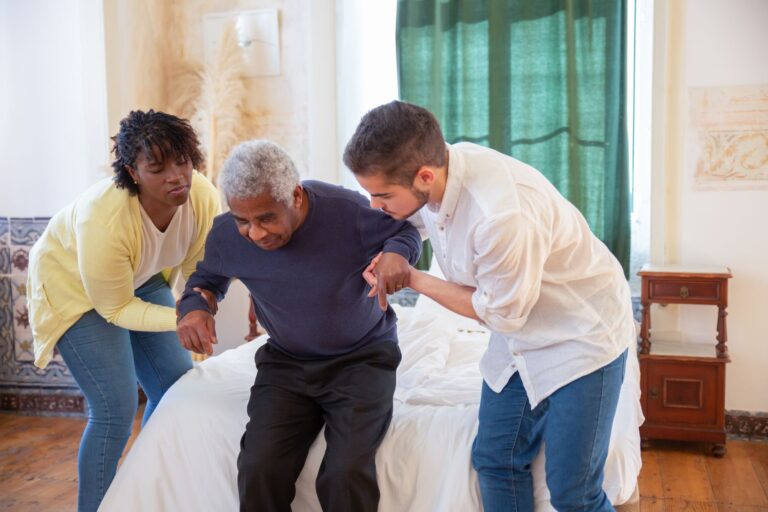
After age 80, occasional lapses like misplacing keys or recalling a name later are usually normal aging, according to the National Institute on Aging in its guide to memory problems and aging. Memory loss is not normal when memory and thinking problems block daily life, which defines dementia.
Dementia means loss of memory plus thinking, reasoning, and behavioral abilities severe enough to interfere with daily activities. The difference rests on impact, not age alone. Families can use that test to decide what to watch and when to act.
Medical information disclaimer: This article is for general educational purposes only and does not provide medical advice, diagnosis, or treatment. Always consult a physician or other qualified health professional about symptoms, medications, tests, or treatment decisions.
Table of Contents
- What does normal forgetting look like after 80?
- Which changes need prompt medical care?
- How common is Alzheimer's at very old ages?
- What sits between normal aging and dementia?
- What treatable causes should be checked first?
What does normal forgetting look like after 80?
Normal aging slows recall without removing independence. A person may need longer to learn new information, lose keys, or blank on a name and remember it later. Bills still get paid, meals still get made, and directions still make sense.
The key check is recovery and function. If the name comes back later and the day runs as usual, the lapse fits age-related forgetfulness. Tracking one or two examples for a few weeks helps show whether daily tasks stay intact.
Which changes need prompt medical care?
Concern rises when forgetting disrupts daily life. Warning signs include forgetting recently learned information, missing important dates, repeatedly asking the same question, and relying heavily on reminders, as described by the Alzheimer's Association in its list of early dementia signs.
Seek prompt evaluation for these changes: Note what changed, when it started, and which tasks now need help. Bring that record to the visit so the clinician hears concrete effects, not general worry.
- getting lost in familiar places
- trouble following recipes or directions
- difficulty handling money and paying bills
- confusion about time or place
- poor judgment or neglecting eating, bathing, or safety
How common is Alzheimer's at very old ages?
Risk rises sharply with age, but most very old adults do not have Alzheimer's dementia. Among Americans 65 and older, Alzheimer's affects 5.1% ages 65 to 74, 13.2% ages 75 to 84, and 33.4% age 85 and older, according to the Alzheimer's Association 2025 data summarized in this Colorado fact sheet.
That means about two-thirds of people over 85 do not have it. Age raises odds without making dementia expected. A new loss of independence still deserves attention at any age.
What sits between normal aging and dementia?
Mild cognitive impairment means greater memory or thinking problems than peers the same age, while daily function stays largely preserved. People notice the slip, and testing shows it, yet they still manage household tasks and self-care. The course varies.
Reviews find about 6% to 11% per year develop dementia, about 40% within five years, while up to 28% revert to normal. That range makes follow-up matter. Repeat testing over time shows whether function holds, worsens, or improves.
What treatable causes should be checked first?
Many memory complaints have treatable contributors. Medicines, thyroid, kidney or liver problems, vitamin B12 deficiency, depression, sleep disorders, and heavy alcohol use can impair memory, so clinicians should screen for reversible causes first, according to Mayo Clinic staff in its guide on when to seek help for memory loss.
Prepare for that screen before the appointment. Bring all pill bottles, sleep and mood changes, alcohol use, recent illnesses, and lab history. Fixing a contributing cause will not always restore memory, but it can prevent missed treatment.