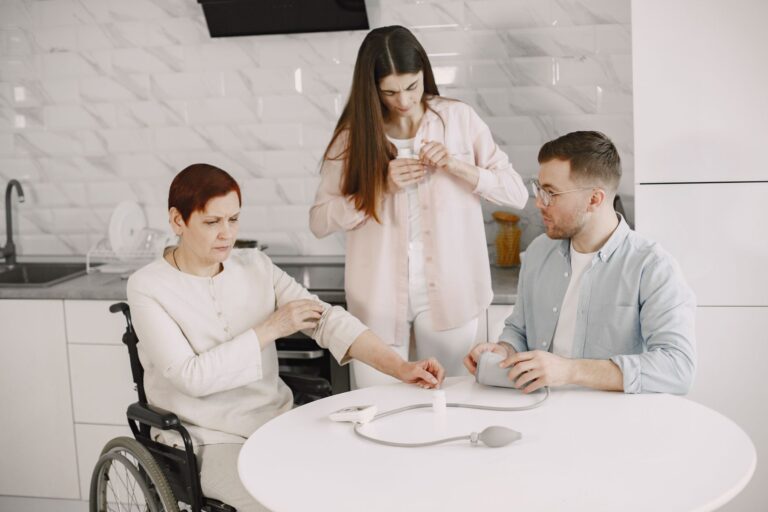
A medication mistake in dementia can mean memory and planning problems are disrupting dosing, or that a medicine is worsening or mimicking cognitive symptoms. Do not guess at a correction: verify what was taken, contact a health professional, and promptly report sudden confusion or altered alertness. Mistakes include missed doses, duplicate doses, incorrect amounts, and unapproved changes to treatment. They do not automatically mean the dementia has worsened, but they do call for a medication and safety review.
Medical information disclaimer: This article is for general educational purposes only and does not provide medical advice, diagnosis, or treatment. Always consult a physician or other qualified health professional about symptoms, medications, tests, or treatment decisions.
Table of Contents
- Why dementia raises the risk of mistakes
- What the mistake may do
- When a sudden change needs attention
- What to do after a suspected mistake
- Building a safer medication routine
Why dementia raises the risk of mistakes
Taking medicines correctly requires remembering instructions, following a schedule, and tracking what has already been taken. dementia can weaken each of these abilities, according to a University of Reading systematic review. A person might forget a morning dose, take it twice, or confuse medicines with similar containers.
A complicated schedule becomes harder to manage when several medicines must be taken at different times. These problems may indicate that the person now needs more help with medication management. That support could involve reminders, a weekly organizer, or a caregiver taking responsibility for preparing and tracking doses.
What the mistake may do
A medication mistake may cause no obvious change, worsen an existing condition, or produce symptoms that resemble dementia. The FDA says some medicines can cause memory difficulties, dizziness, and sleepiness, while interactions can produce dangerous side effects in older adults. Medication-related harm is not rare, but estimates vary widely. A 2022 meta-analysis of community-dwelling people with dementia estimated adverse drug events at 19% overall and found medication-error rates ranging from 0.9% to 41.3%.
That wide range does not establish one person's probability of harm. The review found higher risk with psychotropic medicines, polypharmacy, and potentially inappropriate medicines, but individual circumstances still require clinical review. Evidence also does not prove that potentially inappropriate medicines consistently increase hospitalization or death in people with dementia. A 2021 review found no statistically significant pooled association, but it included only 10 studies and noted substantial confounding.
When a sudden change needs attention
A rapid change in confusion, alertness, or behavior is different from a gradual decline. It may be delirium, meaning confusion that begins suddenly and can fluctuate. Dementia increases the risk of delirium.
Possible causes include medicines, overdose, withdrawal, infection, and dehydration, so a new change should not automatically be blamed on dementia. NIH MedlinePlus advises reporting sudden changes to a clinician. When reporting the change, describe when it began and what looks different. Also provide the medicine name, amount taken, expected dose, timing, and any missed or duplicate doses.
What to do after a suspected mistake
First, establish exactly what happened. Check the container, label, organizer, and medication record rather than relying only on memory.
Do not independently repeat, skip, reduce, or stop a prescribed medicine to compensate. The FDA warns that unapproved changes can worsen disease and may lead to hospitalization or death.
- Write down the medicine name, strength, amount, and time taken.
- Note whether a dose was missed, repeated, or changed.
- Record any new sleepiness, dizziness, confusion, or behavior change.
- Contact the prescriber, pharmacist, or another appropriate health professional for instructions.
- Report a rapid change in confusion or alertness to a clinician promptly.
Building a safer medication routine
Keep one complete medication list showing each medicine's dose, timing, and purpose. Include prescriptions, over-the-counter products, and supplements so clinicians can review the full combination. The National Institute on Aging recommends reminders and a weekly organizer for people with Alzheimer's who need help taking medicines.
Assigning clear responsibility for preparing and tracking doses can also reduce uncertainty about whether a medicine was taken. Ask a clinician to reassess medicines that may worsen cognition, including anticholinergics, antihistamines, narcotics, sedatives, and benzodiazepines. Never crush a pill or stop a medicine without first consulting a health professional.