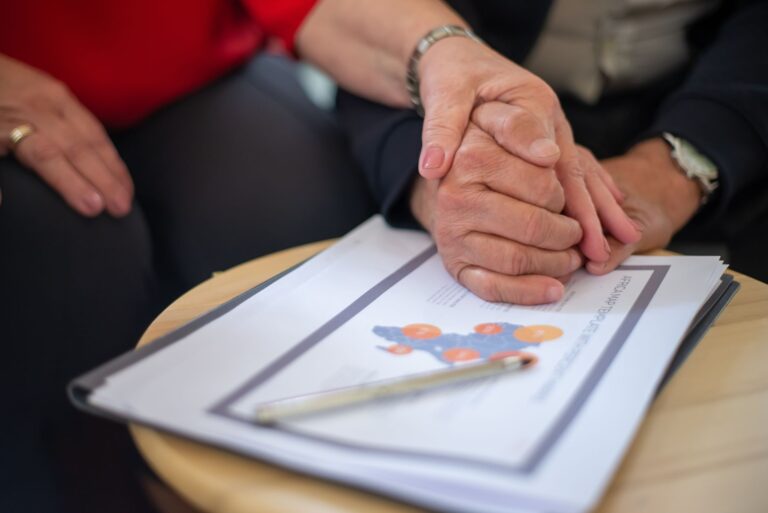
Medicare-linked survey data in 2026 means survey answers about daily function and caregiving joined to Medicare billing and health records. Research leaders prioritized making those linked files more usable, but that work improves future studies first and does not change clinic care or pay for spouses and partners yet. For a spouse or partner, the gap matters. A better dataset can describe strain more clearly without adding hours of help, training, or income at home.
Medical information disclaimer: This article is for general educational purposes only and does not provide medical advice, diagnosis, or treatment. Always consult a physician or other qualified health professional about symptoms, medications, tests, or treatment decisions.
Official resources:
- Read the original report from Yale — Use this primary source to review the complete report.
- Read the official guidance from Usc — Use this primary source to verify the official guidance.
Table of Contents
- What did data leaders prioritize?
- Why do records miss what families live with?
- Why do spouses still absorb the cost?
- What can spouses use now?
What did data leaders prioritize?
The National Institute on Aging says its March 2026 summit made linked data a priority to study caregiving and function 2026 summit report. The focus is easier access for approved research use.
That means cleaner files for researchers. It does not create a new clinic test, referral path, or caregiver payment.
Why do records miss what families live with?
Yale researchers linking survey answers to Medicare claims found most older adults with a Medicare dementia diagnosis did not report it, with 67% of self-respondents saying no doctor told them Yale study report. A billing code can exist without a clear conversation at home. For partners, that mismatch has practical weight.
Plans stall when the diagnosis is in the chart but not understood at the kitchen table. A linked file may still undercount early need. Daily supervision, repetition, and safety checks often start before claims show a pattern.
Why do spouses still absorb the cost?
The USC Schaeffer Center estimated family and friends provide about 6.8 billion unpaid hours valued at $237 billion 2026 dementia cost study. Most of that work never enters medical billing. A partner often covers meals, rides, medications, nighttime checks, and calm reassurance.
Those hours can shrink paid work, sleep, and health visits. Better measurement does not move those hours off a spouse. It only records them for later policy study.
What can spouses use now?
The Centers for Medicare & Medicaid Services says its GUIDE model pays participating dementia programs for coordination, caregiver training, and limited respite, not direct wages to spouses GUIDE model page. Availability depends on whether a local program takes part.
Ask directly about current options rather than waiting for research to filter down: Keep expecting billing records and home reality to differ. Use the visit to close that gap for your household.
- Ask the clinic if it takes part in GUIDE or offers dementia care coordination.
- Ask what caregiver training, 24-hour line, or respite access it includes.
- Keep a short weekly note on sleep loss, wandering, falls, and time spent supervising.
- Bring that note to visits and ask for one next step in writing.
You Might Also Like
- NHATS and NSOC Dementia Care Data Priorities in 2026: What the Findings Mean for People With Mild Cognitive Impairment
- The Long-Term Care Data Cooperative and Dementia Research in 2026: What the Findings Mean for People With Mild Cognitive Impairment
- The 2026 NIA Workshop on Comprehensive Dementia Care Models: What the Report Means for Spouses and Partners