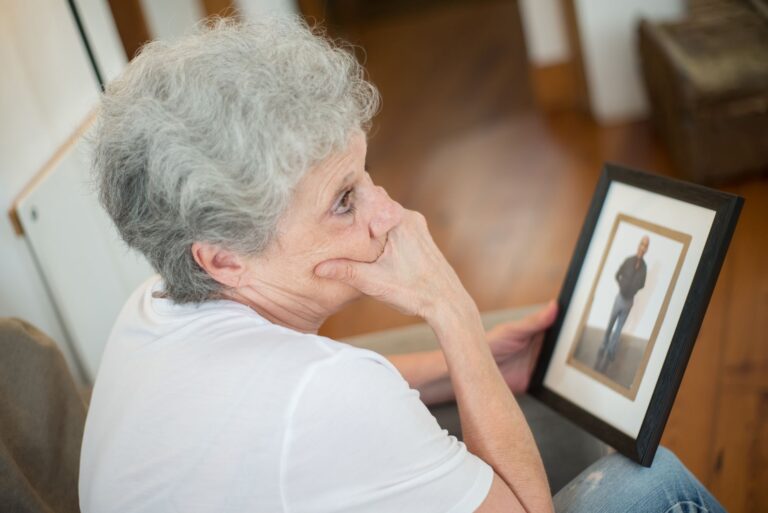
Medicare-linked dementia survey data priorities in 2026 center on correct diagnosis capture, true care costs, and strain on spouses and partners. Spouses and partners can ask how each study defines dementia, whose records it misses, and how results apply to daily care. Medicare-linked data means survey answers joined to Medicare billing records. That link lets researchers compare what people report with what claims show.
Medical information disclaimer: This article is for general educational purposes only and does not provide medical advice, diagnosis, or treatment. Always consult a physician or other qualified health professional about symptoms, medications, tests, or treatment decisions.
Official resources:
- Register through NIH’s official page — Use this page to review requirements and register directly.
- Read the original report from Yale — Use this primary source to review the complete report.
Table of Contents
- Why do reports and Medicare records disagree?
- What do national cost surveys count?
- Can GUIDE services help our family now?
- What caregiver effects need better measurement?
- What should spouses ask about any study?
Why do reports and Medicare records disagree?
Yale University reports that 67% of self-respondents with a Medicare claims dementia diagnosis said no doctor ever told them they had dementia, in an analysis of 6,158 person-waves from 3,278 adults 65 and older with probable dementia in the Health and Retirement Study from 1998 to 2020 Yale news report. The study defined probable dementia with the validated Langa-Weir cognitive classification plus proxy assessments and found claims diagnoses with ICD-9 and ICD-10 codes.
The gap was dementia-specific. The same self-respondents underreported hypertension and arthritis far less often. A separate linkage study found Medicare claims capture only about half of survey-defined cases, with high specificity but low sensitivity, so claims miss younger and healthier cases.
What do national cost surveys count?
A 2026 national cost model estimated 5.7 million Americans age 51 and older live with dementia, including 5.1 million age 65 and older, with $222 billion in medical and long-term care plus 6.8 billion unpaid care hours, according to the Alzheimer's and Dementia analysis national cost study. That total included $110 billion in Medicare and $44 billion in Medicaid spending.
Those estimates used Medicare Current Beneficiary Survey data for Medicare enrollees linked to claims plus Medical Expenditure Survey data for others. MCBS is the longitudinal, nationally representative survey of about 15,500 beneficiaries. Ask whether an estimate includes unpaid hours, Medicaid long-term care, and adults under 65.
Can GUIDE services help our family now?
The Guiding an Improved Dementia Experience Model pays for comprehensive assessment, care coordination, 24/7 helpline access, caregiver education, and respite services. It started July 1, 2024 as an 8-year model.
In 2026 GUIDE covers only community-dwelling Original Medicare Parts A and B beneficiaries with clinician-confirmed dementia, as described by the Centers for Medicare and Medicaid Services GUIDE model page. It excludes Medicare Advantage, PACE, hospice, long-term nursing-home residents, and memory-care-unit residents, and mild impairment alone is not enough. Ask the clinic whether it takes part in GUIDE and who confirms eligibility.
What caregiver effects need better measurement?
The National Institute on Aging lists measuring psychological, financial, and physical effects on caregivers as a research priority. It also prioritizes needs of spousal caregivers after bereavement, care models for people living alone, and workforce adequacy.
These gaps matter because spouses often manage medicines, safety, meals, and appointments for years. Ask studies how they track sleep loss, lost work, out-of-pocket costs, grief support, and help for households with one adult. Stronger measures can shape better respite, training, and follow-up care.
What should spouses ask about any study?
Ask how dementia was defined, whether proxies could respond, and whether Medicare Advantage or nursing-home residents were included. Ask how diagnosis disclosure was coded, and whether results separate spouse partners from other caregivers. Bring your partner's diagnosis letter, current medicine list, and preferred proxy contact to the visit and ask staff to correct any wrong record.
- How did you identify dementia: test score, proxy report, clinician diagnosis, or claims code?
- Whose experience is missing from this sample?
- Do you measure caregiver health, money strain, bereavement, and living-alone risk?
- How could this change our care plan, support services, or costs?
You Might Also Like
- Medicare-Linked Dementia Survey Data Priorities in 2026: How Spouses and Partners Can Avoid Overreading the Headline
- The NIA 2026 Dementia Care and Caregiving Summit Report: Cost and Access Questions for Spouses and Partners
- The $781 Billion Dementia Economic Estimate in the 2026 NIA Report: Cost and Access Questions for Spouses and Partners