Recent advances in medical technology are fundamentally transforming how Alzheimer’s disease can be detected, making screening more accessible and accurate than ever before. Where diagnosis once required invasive procedures like spinal taps or expensive PET imaging available only at major medical centers, blood biomarker tests can now identify Alzheimer’s pathology in a standard lab setting—with some tests available through primary care physicians or even at home. For example, a 65-year-old experiencing mild memory concerns can now get a blood test that measures phosphorylated tau and amyloid-beta levels, markers that indicate Alzheimer’s pathology decades before symptoms become severe, far earlier than brain imaging could previously reveal disease. This article explores the technologies enabling widespread screening, including blood biomarkers, advanced imaging improvements, and artificial intelligence tools, while examining both the potential and practical limitations of these emerging approaches.
Table of Contents
- What Medical Technologies Are Making Alzheimer’s Screening More Accessible?
- Blood Biomarkers: The Game-Changing Shift Away from Imaging
- Artificial Intelligence Improving Diagnostic Speed and Consistency
- Making Screening Accessible: Primary Care vs. Specialty Referral Models
- Accuracy Limitations and the Risk of Overdiagnosis
- Home-Based and Portable Testing Options Expanding Access
- The Future of Alzheimer’s Screening and Implications for Early Intervention
- Conclusion
What Medical Technologies Are Making Alzheimer’s Screening More Accessible?
The shift toward accessible Alzheimer’s screening rests on three major technological advances: blood-based biomarkers, improvements in PET imaging efficiency, and artificial intelligence systems that enhance diagnostic accuracy. Blood biomarker tests—measuring phosphorylated tau variants, amyloid-beta 42, and other proteins—can be performed at any laboratory with standard equipment, eliminating the need for patients to travel to specialized imaging centers. Companies like Eli Lilly, Roche, and Fujirebio have developed tests that correlate closely with brain pathology as shown on PET scans, giving clinicians reliable information from a simple blood draw.
These tests have become increasingly standardized, allowing hospitals and primary care clinics to implement screening protocols that were impossible a decade ago when diagnosis required expensive neuroimaging or invasive cerebrospinal fluid testing. However, the availability of these technologies varies significantly by geography and healthcare system. Medicare began covering certain blood biomarker tests in 2023, but insurance coverage remains uneven, and rural areas often lack access to specialized memory clinics that can order and interpret results. A person in a major metropolitan area may have multiple options for screening through university medical centers, private clinics, or even commercial testing services, while someone in a rural county might have no local access to memory specialists at all.

Blood Biomarkers: The Game-Changing Shift Away from Imaging
Blood biomarkers represent a fundamental shift in screening methodology because they measure the actual brain pathology causing Alzheimer’s—amyloid plaques and tau tangles—without requiring patients to enter a PET scanner or hospital. Studies show that phosphorylated tau-217 (P-tau217) can detect Alzheimer’s pathology with 90-plus percent accuracy compared to amyloid-PET imaging, while being a fraction of the cost and accessible from any blood draw location. The blood test approach also enables population-level screening: health systems can systematically check cognitive risk in large patient populations, something that would be prohibitively expensive and logistically complex with imaging-based approaches.
The critical limitation is that positive biomarkers are not equivalent to a clinical diagnosis. A positive blood test indicates Alzheimer’s pathology is present in the brain, but does not predict when cognitive symptoms will appear—some people with biomarker evidence of amyloid and tau live cognitively normal lives for many years, while others decline rapidly. Additionally, if the test is used for mass screening without adequate follow-up infrastructure, positive results can create anxiety or prompt unnecessary medical intervention, a phenomenon called overdiagnosis. Healthcare systems implementing widespread screening need accompanying counseling programs to help patients understand that a positive biomarker test is a risk factor, not a diagnosis, and that multiple factors influence whether pathology will cause clinical disease.
Artificial Intelligence Improving Diagnostic Speed and Consistency
Artificial intelligence is enhancing Alzheimer’s screening by analyzing imaging data, cognitive test patterns, and biomarker combinations faster and more consistently than traditional clinical interpretation alone. AI algorithms trained on thousands of brain MRI and PET scans can identify subtle patterns of atrophy or hypometabolism that signal early neurodegeneration, often flagging subtle changes that experienced radiologists might initially overlook. For instance, AI systems developed at major academic centers can process a patient’s MRI scan in minutes, generating a report that highlights areas of brain atrophy consistent with early Alzheimer’s pathology while simultaneously comparing findings to population norms for that person’s age and education level.
The practical value lies in consistency and speed: human radiologists experience fatigue over long reading sessions and may apply slightly different criteria than colleagues, whereas AI algorithms apply identical logic to every scan. However, AI tools require careful validation in real-world clinical settings, and several high-profile AI diagnostic systems have failed to perform as well in independent testing as in their initial research studies. Before implementing AI screening in a health system, clinicians need evidence that the tool performs accurately on patients different from those used to train it, and they need to understand failure modes—what types of images or patient populations does the AI struggle with.

Making Screening Accessible: Primary Care vs. Specialty Referral Models
Healthcare systems are implementing two fundamentally different models for widespread Alzheimer’s screening: integrating screening into primary care settings where most patients have their regular doctors, versus building specialty-referral pathways to memory clinics. The primary care model is simpler logistically—patients already visit their internists or family physicians, and adding a cognitive screening test and ordering a blood biomarker takes 15 minutes and costs a few hundred dollars per person. Some health systems have successfully trained primary care teams to identify at-risk patients through validated cognitive tests like the Montreal Cognitive Assessment or the Brief Cognitive Screening Instrument, then order blood biomarkers in the office, with results reviewed by a neuropsychologist or memory specialist remotely.
The specialty-referral model provides more thorough evaluation but creates bottlenecks: memory clinics often have 6-month waiting lists in areas with high demand and limited neurologists. A patient identified through primary care screening as biomarker-positive might wait months for a memory clinic appointment, delaying discussion about their results and potential treatment options. Some health systems are addressing this through telemedicine, where patients have initial cognitive evaluations and result reviews via video call with memory specialists, but this requires adequate broadband access that not all rural areas have. The tradeoff is between accessibility (primary care-based screening catches more people) versus thoroughness (specialty evaluation is more comprehensive but slower and reaches fewer patients).
Accuracy Limitations and the Risk of Overdiagnosis
While blood biomarkers have impressive accuracy when compared to PET imaging, they are imperfect diagnostic tools, and widespread screening risks pathologizing normal aging. Blood biomarker positivity increases with age in cognitively normal people—roughly 30 percent of cognitively intact 70-year-olds will have positive amyloid biomarkers, yet many of these individuals will never develop dementia. When screening is deployed at population scale without careful clinical judgment, positive results can lead to unnecessary follow-up testing, specialist visits, and worry, particularly in populations with limited health literacy where a positive “Alzheimer’s test” might be misunderstood as a dementia diagnosis. There is also variation in test performance depending on which specific biomarker is measured and which manufacturer’s test is used.
P-tau217 and P-tau181 have slightly different accuracy profiles, and not all labs offer all tests. A person screening positive on one test might score differently on another, creating confusion. Additionally, screening approaches assuming biomarker positivity is actionable have limited evidence: while amyloid-targeting drugs like lecanemab can slow decline in early stages, they carry risks of amyloid-related imaging abnormalities (ARIA), and the cognitive benefit is modest—slowing decline by roughly 35 percent over 18 months. For many biomarker-positive individuals with no symptoms, it remains unclear whether early treatment is beneficial enough to justify the medication risks and burdens.
Home-Based and Portable Testing Options Expanding Access
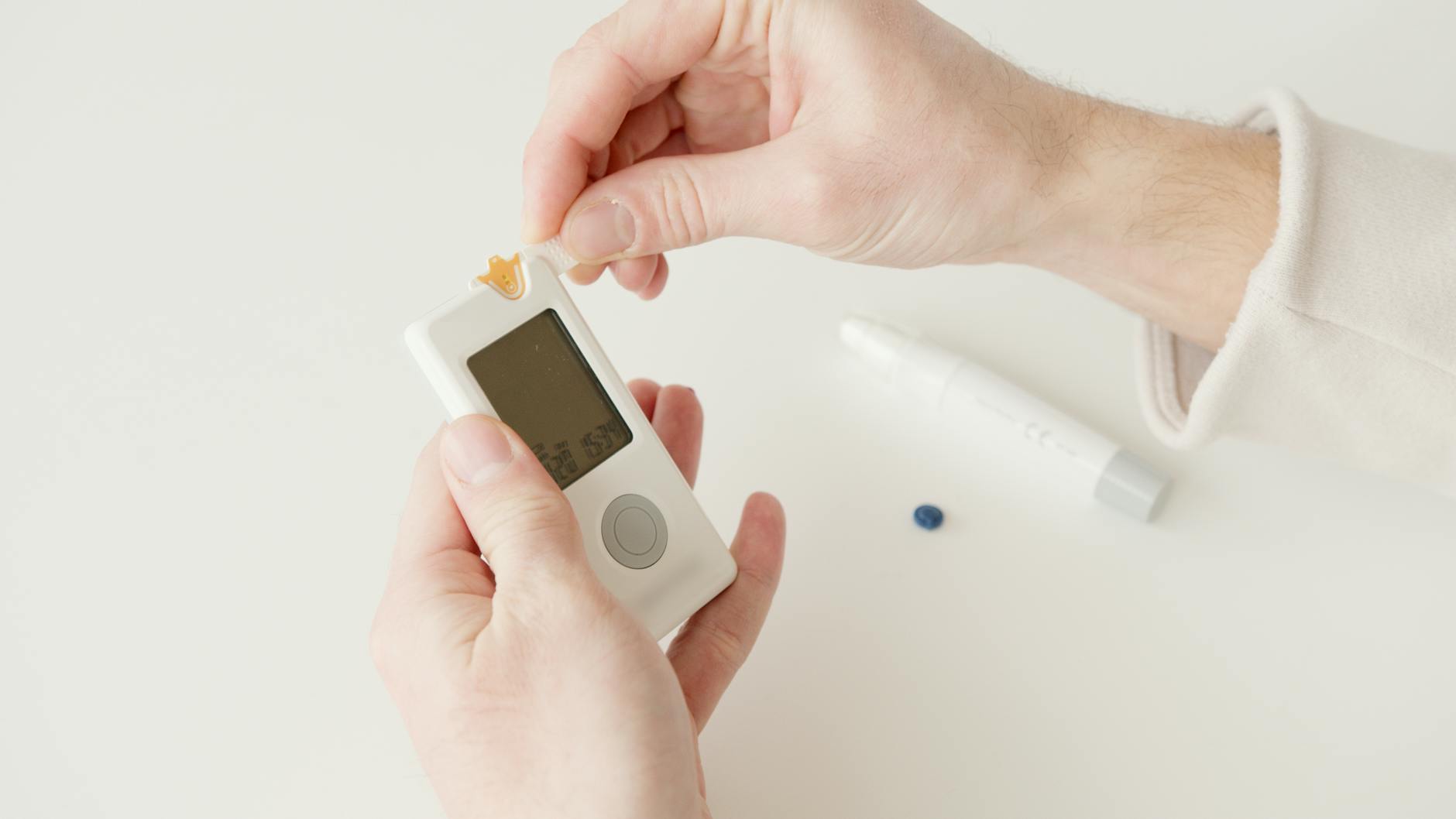
The newest frontier in accessible screening includes home-based blood draws and portable or decentralized testing options that can be deployed in community settings. Some patients now arrange phlebotomists to come to their homes to draw blood for biomarker testing, eliminating the need to visit a lab or hospital, which is particularly valuable for older adults with limited mobility or those living in remote areas. Research organizations have also begun deploying mobile screening units and pop-up testing clinics in senior centers, community health fairs, and underserved neighborhoods to increase early detection in populations that historically have less access to neurologic care.
For example, some academic medical centers now operate mobile cognitive screening and education programs that travel to rural counties, offering free cognitive assessments and blood draws to anyone over age 60. One limitation of decentralized testing is maintaining quality control: home blood draws must be properly collected, preserved, and transported to maintain sample integrity, otherwise results become unreliable. Community-based screening without adequate clinical follow-up infrastructure can also be counterproductive—identifying at-risk individuals in a health fair setting is only useful if they have a clear pathway to clinical evaluation and counseling afterward.
The Future of Alzheimer’s Screening and Implications for Early Intervention
As biomarker testing becomes routine in primary care and new anti-amyloid drugs enter the market, screening is shifting from a diagnostic tool used in specialty settings to a population health strategy, similar to screening for high cholesterol or hypertension. Within the next 3-5 years, experts expect that many health systems will incorporate Alzheimer’s biomarker screening into routine preventive care visits for patients over age 55-60, making early detection a standard part of aging medicine.
The parallel development of blood-based tau, amyloid, and neurodegeneration markers may eventually allow clinicians to predict not just whether someone has pathology, but which biological pathway is dominant in that person, enabling personalized treatment selection. The broader implication is that Alzheimer’s screening will increasingly resemble early detection of other chronic diseases—identifying asymptomatic individuals at high biological risk, then enrolling them in prevention and monitoring programs rather than waiting for symptoms to appear. This shift requires not just better technology but also better counseling, informed consent frameworks, and access to preventive treatments, none of which yet exist at scale.
Conclusion
Medical technology has made Alzheimer’s screening dramatically more accessible through blood biomarkers, AI-enhanced imaging analysis, and the distribution of testing into primary care settings. Blood tests measuring tau and amyloid pathology can now be performed in standard laboratories, PET imaging is becoming faster and more available, and artificial intelligence is improving diagnostic accuracy and consistency. These advances mean that screening is no longer limited to specialty memory clinics in major cities but can be integrated into routine preventive care, potentially enabling earlier detection and intervention.
However, widespread screening also brings risks: positive biomarkers are not diagnoses, many biomarker-positive individuals will never develop dementia, and scaling up screening without adequate clinical infrastructure and counseling can cause harm. Individuals concerned about cognitive changes should discuss screening options with their primary care physician, understanding both what a positive biomarker test means and does not mean. Healthcare systems should implement screening thoughtfully, with clear protocols for follow-up evaluation and patient counseling, ensuring that new technology translates into better outcomes rather than simply more diagnoses.
You Might Also Like
- Support Programs Help Alzheimer’s Caregivers Navigate Challenges
- Research Funding Awards Support Creative Alzheimer’s Prevention Approaches
- Cutting-Edge Assay Technology Applied to Alzheimer’s Drug Evaluation
For more, see Alzheimer’s Association — medical tests.