Patients are choosing cannabis over prescription pain drugs, and the numbers are not particularly close. Roughly 80 percent of medical cannabis users report substituting it for traditional pain medications, with more than half specifically replacing opioids, according to research published in the journal Addiction Science and Clinical Practice. A January 2025 comparative effectiveness study found that medical marijuana produced a higher response rate than prescription pain medications for chronic pain at three months — 38.6 percent versus 34.9 percent — and that cannabis was 2.6 times more likely to be effective using causal inference methods. For the millions of Americans living with chronic pain, and particularly for older adults managing conditions like dementia where polypharmacy already poses serious risks, this shift is worth understanding clearly. The trend is not just anecdotal.
A 2025 survey of 1,450 chronic pain patients found that 55.5 percent experienced significant improvement and 30.6 percent reported moderate improvement after starting medical cannabis. Nearly 88 percent said cannabis felt like a sustainable long-term solution rather than a temporary fix. More than 60 percent reported reducing or stopping prescription medications entirely, including opioids. These are patient-reported outcomes, not pharmaceutical marketing claims, and they reflect a genuine change in how people manage pain in this country. This article examines the evidence behind that shift, including what the clinical data actually shows about comparative effectiveness, how opioid use changes when patients add cannabis, where the research remains uncertain, and what any of this means for older adults and dementia caregivers navigating pain management decisions.
Table of Contents
- Why Are Patients Choosing Medical Cannabis Over Prescription Pain Drugs?
- What Does the Clinical Evidence Say About Cannabis for Chronic Pain — and Where Does It Fall Short?
- How Opioid Use Changes When Patients Add Medical Cannabis
- What the Opioid Crisis Numbers Tell Us About the Urgency of Alternatives
- Access Barriers and the Uneven Landscape of Medical Cannabis
- What Dementia Caregivers Should Know Before Considering Cannabis for Pain
- Where This Is Headed — The Future of Pain Management for Older Adults
- Conclusion
- Frequently Asked Questions
Why Are Patients Choosing Medical Cannabis Over Prescription Pain Drugs?
The simplest answer is side effects — or rather, the relative absence of them. Patients who substitute cannabis for opioids consistently cite fewer adverse effects and better day-to-day symptom management as their primary reasons. That matters enormously for older adults, who metabolize drugs differently and face compounding risks from medications that cause drowsiness, confusion, constipation, and respiratory depression. For someone caring for a loved one with dementia, an opioid prescription that causes cognitive fog or increases fall risk is not just inconvenient — it can be dangerous. The 2025 molecular research adds a mechanistic explanation to what patients have been reporting anecdotally for years. Scientists identified how cannabinoids, specifically CBD and CBG, reduce pain by inhibiting sodium channel activity that is crucial for transmitting pain signals.
This is not the same pathway as opioids, which bind to mu-opioid receptors in the brain and carry well-documented risks of tolerance, dependence, and respiratory depression. The distinction matters clinically: cannabis appears to modulate pain without the same escalating-dose problem that makes long-term opioid therapy so fraught. Public opinion reflects this understanding. A survey reported by ScienceDaily in October 2024 found that 71 percent of chronic pain patients support federal legalization of medical cannabis, compared with 59 percent of physicians. That gap is notable — patients are ahead of their doctors on this issue, likely because they are the ones living with the tradeoffs of current treatment options every day.

What Does the Clinical Evidence Say About Cannabis for Chronic Pain — and Where Does It Fall Short?
The comparative effectiveness data is encouraging but comes with important caveats. The January 2025 study showing cannabis outperforming prescription pain medications used causal inference methods to control for confounding variables, which strengthens the finding. But the response rates — 38.6 percent for cannabis versus 34.9 percent for prescriptions — are not dramatically different in absolute terms. Neither option works for everyone, and roughly six out of ten patients in both groups did not achieve a meaningful response. Anyone expecting cannabis to be a miracle cure will be disappointed. The JAMA Internal medicine study published in December 2025 provides more granular data.
Among 204 chronic pain patients in New York’s medical cannabis program, average daily opioid doses dropped from 73.3 milligrams to 57 milligrams of morphine equivalent over 18 months — a 22 percent reduction. Patients who received a 30-day cannabis supply used 3.5 fewer milligrams of morphine equivalent per day compared to months without cannabis. that is a meaningful but modest reduction, not elimination. However, if you are looking for population-level proof that cannabis laws alone solve the opioid crisis, the evidence is genuinely mixed. A Weill Cornell Medicine analysis found that state-level medical cannabis laws did not significantly reduce opioid prescribing after controlling for economic and policy variables. The lesson here is that passing a law is not the same as providing access, and access is not the same as appropriate clinical guidance. For older adults and dementia patients especially, the absence of standardized dosing protocols remains a real barrier to safe use.
How Opioid Use Changes When Patients Add Medical Cannabis
The most compelling evidence comes from studies tracking individual patients over time. The large prospective Canadian study found that opioid use among participants dropped from 28 percent at baseline to 11 percent at six months, with daily opioid dosage falling from 152 milligrams of morphine equivalent to 32.2 milligrams — a 78 percent reduction. That is a dramatic change, though it is worth noting that patients who enroll in cannabis programs and stick with them for six months may be more motivated to reduce opioids than the general chronic pain population. New Mexico’s data tells a similar story with a useful comparison group. Medical cannabis enrollees were far more likely to reduce daily opioid dosages — 83.8 percent versus 44.8 percent among non-enrollees — and were dramatically more likely to stop opioid prescriptions entirely, at 40.5 percent compared to just 3.4 percent.
That last number is striking. Fewer than one in thirty non-enrollees stopped opioids on their own, while four in ten cannabis patients did. For dementia caregivers, these numbers carry particular weight. Opioids are associated with increased confusion, delirium, and falls in older adults — all of which can accelerate cognitive decline or create medical emergencies. A treatment that allows even a partial reduction in opioid dosage without sacrificing pain control could meaningfully improve quality of life for both the patient and the person providing care.

What the Opioid Crisis Numbers Tell Us About the Urgency of Alternatives
The context for this entire conversation is a public health catastrophe that is only now beginning to ease. CDC data from February 2026 projects 72,108 drug overdose deaths for the twelve months ending September 2025, an 18.9 percent decline year-over-year and the longest sustained drop in decades. In 2024, 79,384 drug overdose deaths occurred in total, with 54,045 involving opioids. Synthetic opioid death rates dropped 35.6 percent. These are encouraging trends, but overdose remains the leading cause of death for Americans aged 18 to 44. The population-level data on cannabis access and opioid prescribing adds another dimension. Opioid prescriptions fell approximately 16 percent in states that legalized medical cannabis, with greater reductions occurring when dispensaries actually opened rather than when laws were simply passed.
A separate analysis linked the opening of recreational cannabis dispensaries to a 13 percent reduction in opioid prescriptions from baseline. The pattern is consistent: when people have legal access to cannabis, some fraction of them use fewer opioids. The tradeoff that rarely gets discussed honestly is this: cannabis is not risk-free, particularly for older adults. It can cause dizziness, impaired coordination, and in some individuals, anxiety or paranoia. For someone with dementia, the psychoactive effects of THC could worsen confusion or agitation. CBD-dominant formulations may avoid some of these issues, but the research on cannabis use specifically in dementia populations is thin. Caregivers should not assume that what works for a 40-year-old with back pain will work the same way for an 80-year-old with vascular dementia and chronic arthritis.
Access Barriers and the Uneven Landscape of Medical Cannabis
Thirty-eight states plus the District of Columbia now permit medical marijuana use, and 24 states plus D.C. have legalized recreational use as of 2026. The U.S. medical cannabis market is valued at approximately $14.97 billion in 2025. But these numbers mask enormous variation in what patients can actually access. Some states have robust dispensary networks with knowledgeable staff and standardized products. Others have restrictive qualifying-condition lists, limited dispensaries, or costs that insurance does not cover. For older adults on fixed incomes, the cost issue is not trivial.
Medicare does not cover cannabis. Most private insurance plans do not either. A month’s supply of medical cannabis can run anywhere from $100 to $400 or more depending on the state, the product, and the dosage. Meanwhile, generic opioids might cost $10 with insurance. When researchers find that cannabis laws alone do not reduce opioid prescribing — as the Weill Cornell analysis showed — affordability and access are a significant part of the explanation. There is also the problem of clinical guidance. Most physicians received no training in cannabinoid medicine during medical school. A February 2026 NORML analysis confirmed that medical cannabis products provide sustained improvements in patients with chronic pain, anxiety, and depression, but knowing that cannabis can help is different from knowing which product, dose, and delivery method to recommend for a specific patient. Older adults with dementia-related pain need clinicians who understand both the potential benefits and the cognitive risks, and those clinicians remain uncommon.
What Dementia Caregivers Should Know Before Considering Cannabis for Pain
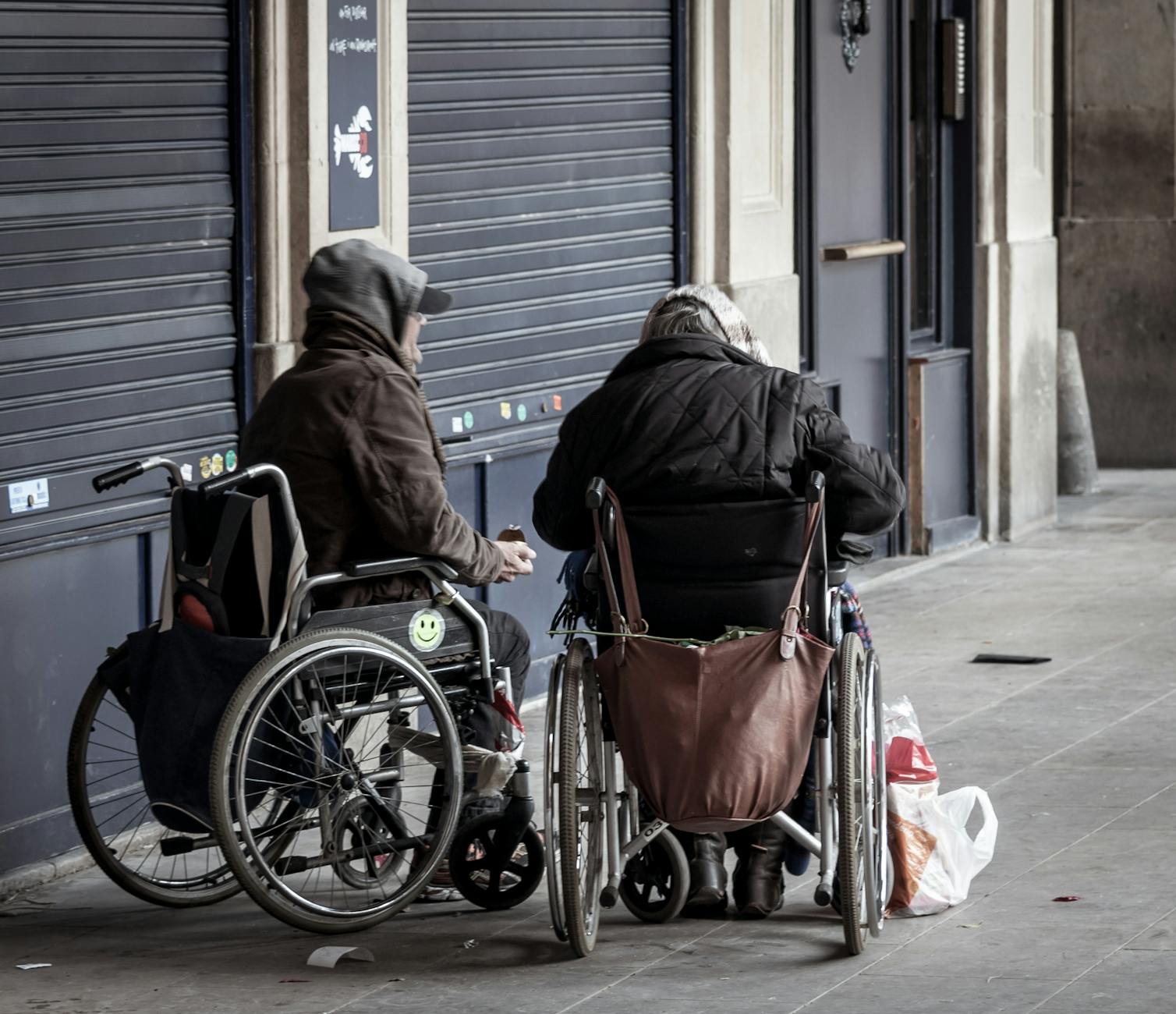
Dementia complicates pain management in ways that do not get enough attention. Patients with moderate to advanced dementia often cannot articulate where or how much they hurt, leading to both undertreatment and overtreatment. Opioids prescribed for a hip fracture or arthritis can deepen cognitive impairment, creating a cycle where the treatment makes the underlying condition harder to manage. Cannabis, particularly low-THC or CBD-dominant formulations, is being explored as an alternative, but caregivers should approach it with the same scrutiny they would apply to any medication change. The practical steps matter: start with a conversation with the patient’s physician, ideally one familiar with geriatric pharmacology.
Request a full medication review to identify which current prescriptions might interact with cannabinoids. If cannabis is appropriate, begin with the lowest possible dose and a CBD-dominant product, titrating slowly. Monitor for changes in behavior, balance, appetite, and sleep. Document everything. And recognize that for some patients, cannabis will not be the right choice — not every pain condition responds to it, and not every individual tolerates it well.
Where This Is Headed — The Future of Pain Management for Older Adults
The trajectory is clear even if the timeline is not. Cannabis is moving from the margins of pain management toward the mainstream, driven by patient demand, mounting clinical evidence, and the ongoing failure of opioid-centric approaches to deliver acceptable outcomes.
The 2025 molecular research identifying specific mechanisms of cannabinoid pain relief is the kind of foundational science that eventually leads to better products, clearer dosing guidelines, and broader physician acceptance. For older adults and the dementia care community specifically, the next few years will likely bring more targeted research on cannabinoid use in aging populations, more states expanding access, and — if federal rescheduling continues — potentially insurance coverage that makes cannabis a realistic option for people who currently cannot afford it. None of that helps the caregiver making decisions today, but it does suggest that the conversation around pain management is finally catching up to what patients have been saying for years: they want options beyond opioids, and they deserve evidence-based guidance on the alternatives.
Conclusion
The data is consistent across multiple studies and countries: when patients gain access to medical cannabis, a significant number of them reduce or eliminate opioid use, report fewer side effects, and describe their pain management as more sustainable. The January 2025 comparative effectiveness study, the JAMA Internal Medicine opioid reduction findings, and the large-scale patient surveys all point in the same direction. This is not a fringe movement — it is a measurable shift in how chronic pain is being treated in the United States. For dementia caregivers and older adults, the stakes are particularly high.
Opioids carry cognitive risks that are unacceptable for many patients with neurodegenerative conditions, and the current system offers few alternatives. Medical cannabis is not a perfect solution, and the research in geriatric and dementia populations specifically needs to catch up with the broader chronic pain literature. But the question is no longer whether cannabis works for pain — it is whether patients can access it safely, affordably, and with competent clinical support. That is the gap that still needs closing.
Frequently Asked Questions
Is medical cannabis legal for pain management in most states?
Yes. As of 2026, 38 states plus D.C. permit medical marijuana use, and chronic pain is a qualifying condition in the vast majority of those states. However, it remains federally classified as a Schedule I substance, which limits insurance coverage and creates legal gray areas.
Can cannabis completely replace opioids for chronic pain?
For some patients, yes. In the New Mexico study, 40.5 percent of medical cannabis enrollees stopped opioid prescriptions entirely. But many patients find cannabis works best as a complement that allows them to reduce — not eliminate — opioid doses. The JAMA Internal Medicine study showed a 22 percent reduction over 18 months, which is meaningful but not total replacement.
Is cannabis safe for elderly patients with dementia?
The research specifically in dementia populations is limited. THC can cause confusion, dizziness, and impaired coordination, which are particularly dangerous for older adults at risk of falls. CBD-dominant products may carry fewer cognitive risks, but any cannabis use in a dementia patient should be supervised by a physician familiar with both cannabinoid medicine and geriatric care.
Does insurance cover medical cannabis?
Generally, no. Because cannabis remains federally illegal, Medicare and most private insurers do not cover it. Out-of-pocket costs vary widely by state and product type, typically ranging from $100 to $400 per month. This is a significant barrier for older adults on fixed incomes.
What is the best way to start using medical cannabis for pain?
Begin with a physician consultation and a full medication review. Start with a low-dose, CBD-dominant product and increase gradually. Monitor symptoms carefully, especially cognitive function and balance in older adults. Keep a written log of dosage, timing, and effects to share with your healthcare provider.
Are overdose deaths actually declining?
Yes. CDC data from February 2026 projects 72,108 drug overdose deaths for the twelve months ending September 2025, an 18.9 percent decline year-over-year. Opioid deaths specifically dropped from 79,358 in 2023 to 54,045 in 2024, with synthetic opioid death rates falling 35.6 percent. This is the longest sustained decline in decades, though overdose remains the leading cause of death for Americans aged 18 to 44.