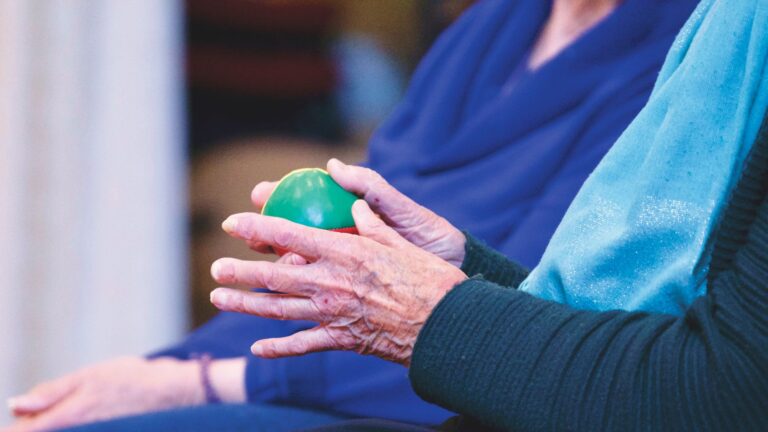
Recent clinical evidence suggests that medical cannabis may help reduce behavioral restlessness and agitation in some dementia patients, offering a potential option for individuals whose symptoms don’t respond well to conventional medications. A key finding from this emerging research is that cannabinoids—the active compounds in cannabis—appear to have calming effects on the nervous system without causing the same sedation or cognitive impairment that traditional antipsychotic medications can produce.
For example, patients with moderate dementia who experienced frequent sundowning (increased agitation in evening hours) have shown measurable improvements in restlessness within weeks of starting a controlled cannabis regimen under medical supervision. The significance of this research lies not in replacing existing dementia care, but in expanding the toolkit available to clinicians and families facing the difficult challenge of managing behavioral symptoms that can make daily life chaotic for both patients and caregivers. While cannabis is not appropriate for all dementia patients, and regulations vary widely by location, the evidence has prompted serious medical institutions and geriatric specialists to examine its role in a comprehensive treatment approach.
Table of Contents
- How Does Medical Cannabis Address Restlessness in Dementia?
- Clinical Evidence and Research Gaps
- Comparing Cannabis to Standard Behavioral Medications
- How Medical Cannabis Is Administered in Dementia Care
- Safety Concerns and Medical Limitations
- Legal and Access Barriers to Treatment
- Integrating Medical Cannabis into Comprehensive Dementia Care
- Frequently Asked Questions
How Does Medical Cannabis Address Restlessness in Dementia?
dementia-related behavioral restlessness often stems from neuroinflammation, neurotransmitter imbalances, and the progressive breakdown of neural pathways that regulate mood and impulse control. Medical cannabis works through the endocannabinoid system, a regulatory network that influences pain perception, mood, appetite, and motor control—all areas affected in dementia. The cannabinoid CBD, in particular, has shown promise in research for reducing anxiety and agitation without the psychoactive effects associated with THC, making it a focus of clinical interest for dementia care.
One limitation of current research is that most studies remain relatively small and short-term, typically lasting weeks to a few months rather than years. Healthcare providers note that the mechanism by which cannabis reduces restlessness likely involves multiple pathways simultaneously, and individual patient responses vary considerably based on genetics, disease stage, other medications, and the specific cannabis formulation used. A patient with early-stage Alzheimer’s may respond differently than one with advanced Lewy body dementia.
Clinical Evidence and Research Gaps
Medical institutions and research centers have begun documenting cases where dementia patients on controlled cannabis protocols show reduced frequency and intensity of aggressive behavior, pacing, and verbal outbursts. However, the research base remains limited compared to pharmaceutical alternatives, partly because cannabis has been a controlled substance in most countries, restricting large-scale clinical trials. The studies that do exist often come from specialized memory care facilities or hospice settings, creating questions about whether findings apply to all dementia types and stages.
A critical warning for families and providers: medical cannabis is not a substitute for addressing underlying causes of restlessness, such as pain, infection, constipation, or environmental triggers like noise or inadequate lighting. A patient who is agitated because of a urinary tract infection will not benefit from cannabis alone—the infection must be treated. Additionally, cannabis can interact with medications commonly used in dementia care, including certain pain medications, blood pressure drugs, and anticoagulants, requiring careful medical oversight and adjustment of dosing schedules.
Comparing Cannabis to Standard Behavioral Medications
Traditional medications for dementia-related agitation, such as antipsychotics (haloperidol, quetiapine) or mood stabilizers (valproate), carry their own significant risks, particularly in older adults. Antipsychotics increase the risk of stroke and mortality in elderly dementia patients and often cause movement disorders or extreme sedation that limits quality of life. In that context, some clinicians view medical cannabis as a lower-risk alternative worth exploring when conventional options have failed or caused intolerable side effects.
However, medical cannabis is not side-effect free. Common effects include dizziness, dry mouth, changes in appetite, and altered cognition—the latter being a particular concern in dementia patients already experiencing memory loss. Some patients experience increased confusion or paranoia, particularly with higher THC formulations. The goal in clinical practice is finding the minimal effective dose that reduces target behaviors without creating new problems.
How Medical Cannabis Is Administered in Dementia Care
Medical cannabis for dementia patients is typically dispensed as tinctures, oils, capsules, or edibles rather than smoked products, allowing for precise dosing and easy administration to patients who may have difficulty with inhalers or lighting devices. A patient might receive a small dose of cannabis oil mixed into their morning applesauce, or several drops of a standardized tincture placed under the tongue twice daily. The onset of effects usually takes 30 minutes to 2 hours with oils and tinctures, and effects typically last 4 to 8 hours, allowing for flexible scheduling around caregiving routines.
One practical tradeoff is the need for medical supervision and consistent monitoring. A patient cannot simply start cannabis and expect stability—initial dosing requires adjustment, observation for adverse reactions, reassessment of whether other medications can be reduced, and ongoing monitoring for changes in condition or tolerance. This level of oversight is possible in well-resourced memory care facilities but can be challenging for families managing care at home with limited access to specialist physicians familiar with cannabis medicine.
Safety Concerns and Medical Limitations
Fall risk is a significant concern when introducing cannabis to elderly dementia patients, as dizziness and altered coordination can increase the likelihood of fractures—already a major source of morbidity in this population. Additionally, dementia patients cannot reliably report side effects or discomfort, requiring caregivers and providers to watch for behavioral changes, appetite loss, or increased confusion that might indicate the cannabis dose is too high or inappropriate for that individual.
The drug also carries a warning regarding respiratory health in patients who may already have compromised lung function, particularly those with a history of smoking. Liver function and cardiac effects should be monitored in patients with existing liver disease or certain heart conditions. Importantly, cannabis can reduce motivation and increase apathy—which sounds counterintuitive for a sedative effect but is documented in some users—and this can worsen certain dementia symptoms if the patient is already struggling with initiative or engagement in activities of daily living.
Legal and Access Barriers to Treatment
Medical cannabis remains illegal or heavily restricted in many jurisdictions, creating a significant barrier even when a physician believes it could help a patient. In regions where it is legal, access often depends on state-licensed dispensaries, specialized physician certifications, and insurance policies that may not cover cannabis-based treatment.
A family in one state might have access to medical-grade cannabis products under physician supervision, while relatives across a state line have no legal options whatsoever. Where legal, medical cannabis for dementia typically requires specific physician authorization after a formal evaluation, and documentation of failed trials of conventional medications. The cost can range substantially depending on formulation and local market, and out-of-pocket expense remains common since most insurance does not yet cover medical cannabis.
Integrating Medical Cannabis into Comprehensive Dementia Care
The most evidence-aligned approach treats medical cannabis as one component of a broader strategy that includes cognitive behavioral therapy, environmental modifications, pain management, treatment of underlying medical conditions, and physical activity. A patient experiencing evening agitation might benefit from dimmed lighting, consistent routines, meaningful activity during the day, and pain relief for arthritis, combined with a low dose of cannabis oil if behavioral symptoms persist despite these interventions. Clinical teams using cannabis in dementia care emphasize that it works best when combined with non-pharmacological approaches and when the patient, family, and medical team maintain open communication about what behaviors are improving, what side effects are emerging, and whether the approach remains beneficial over time.
Frequently Asked Questions
Is medical cannabis safe for dementia patients?
Medical cannabis carries risks including dizziness, confusion, and potential drug interactions, requiring physician oversight. It is not universally safe but may be appropriate when conventional medications have failed or caused harmful side effects.
How long does it take to see results?
Effects typically appear within 2-4 weeks of starting a consistent medical cannabis regimen, though some patients may require dose adjustments before benefits stabilize.
Can cannabis replace other dementia medications?
Medical cannabis may reduce the need for some medications like antipsychotics under physician direction, but it cannot replace core dementia medications addressing cognitive decline or other essential treatments for comorbid conditions.
Where is medical cannabis legal for dementia patients?
Legal status varies by country and region. In the US, approximately 24 states permit medical cannabis, often requiring a physician’s certification and documented trial of conventional treatments first.
What formulation is best for dementia patients?
Oils, tinctures, and capsules are preferred over smoking or high-THC products, as they allow precise dosing and reduce respiratory risks in elderly patients.
How much does medical cannabis cost for dementia care?
Costs vary widely by location and formulation but typically range from $50 to $300 per month out of pocket, as insurance coverage remains rare.