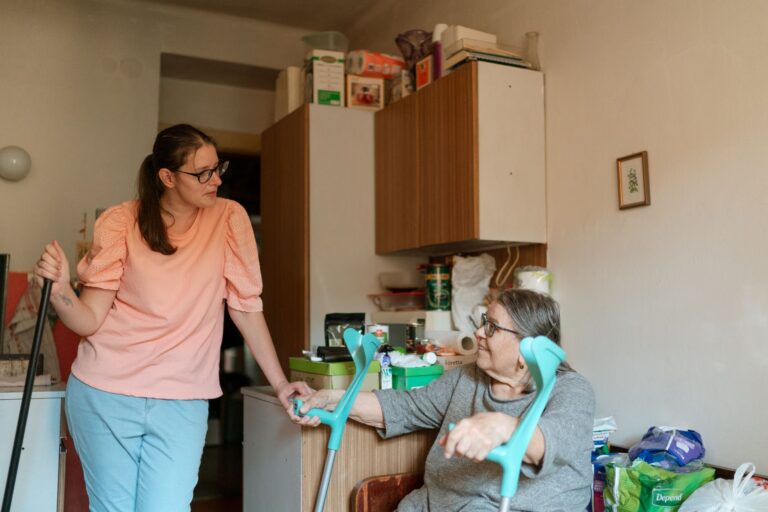
De-escalation is a set of techniques and response strategies designed to calm someone who is becoming hostile or aggressive, particularly by addressing the underlying feelings driving the behavior rather than confronting it head-on. For dementia caregivers, learning these techniques can mean the difference between a tense moment and a full confrontation—and can protect both the person with dementia and yourself. When Mr. Chen, who has Alzheimer’s disease, refused his medications and started raising his voice at his daughter, she didn’t argue or insist.
Instead, she stepped back, lowered her voice, and said, “You seem upset. Let’s sit for a moment.” Five minutes later, when his anxiety had settled, she offered the medications again without resistance. De-escalation is not a single trick or phrase; it’s a collection of physical, verbal, and environmental adjustments that work together to reduce agitation before it becomes dangerous. Understanding why hostility happens—and what makes it worse—is the foundation of any toolkit that actually works.
Table of Contents
- What Triggers Hostility in People with Dementia?
- Recognizing the Early Signs of Escalation
- Using Calm Verbal Responses
- Physical Presence and Environmental Adjustments
- Common Mistakes That Escalate Rather Than De-escalate
- Professional De-escalation Training for Staff
- Practicing and Refining Your Own De-escalation Skills
- Frequently Asked Questions
What Triggers Hostility in People with Dementia?
Hostility in dementia often surfaces from fear, confusion, or a loss of control—not from malice or a desire to be difficult. When someone with dementia doesn’t recognize a caregiver, they may perceive a stranger as a threat. When they can’t remember why they’re being asked to do something, resistance and anger can follow. The brain changes from dementia—particularly in the frontal and temporal lobes—also affect impulse control and emotional regulation, making it much harder for the person to manage frustration the way they once did.
Pain, hunger, fatigue, or a urinary tract infection can also trigger hostility that seems to come from nowhere. A person with dementia may lack the words to say “My hip hurts” and instead lash out when touched or moved. Caregivers often describe a sudden shift in aggressive behavior as the first sign of an underlying medical issue. Unlike a younger person who can articulate discomfort, someone with advanced dementia might express pain or illness only through aggression or agitation. This is why a conversation with a doctor before assuming behavior is purely “behavioral” can prevent weeks of caregiver stress and unnecessary escalations.
Recognizing the Early Signs of Escalation
Before someone becomes outwardly hostile, there are usually warning signs: a tightened jaw, rapid breathing, pacing, clenched fists, or repetitive questioning. Recognizing these signs gives you a window to intervene before anger peaks. Some people become restless and move constantly; others become very quiet and withdrawn right before they escalate. The key is learning what escalation looks like for the specific person you’re caring for.
One significant limitation is that early warning signs vary widely from person to person, and even for the same person, they can shift over time as dementia progresses. Mrs. Garcia might always pace before she becomes hostile, but three months later, as her dementia advances, she might show no warning signs at all. Additionally, many caregivers miss early signs altogether because they’re focused on a task or distracted—a real risk in busy care environments where one person is managing multiple residents or responsibilities. This is why it’s valuable to track patterns over time rather than assuming you’ll always see them coming.
Using Calm Verbal Responses
Your tone and word choice matter far more than the actual content of what you’re saying. Speak slowly, in a lower pitch, and use simple sentences without medical jargon or complex explanations. Instead of explaining why Mrs. Lee should change her clothes (“We need to wash these because they have a stain on them”), say simply, “Let’s put on fresh clothes” or “These are going to the laundry.” Avoid questions that require memory or reasoning—don’t ask “Do you remember eating breakfast?” if she’s upset; instead, offer a choice: “Would you like toast or cereal?” Validation is a technique that’s often misunderstood.
It does not mean you agree with a false belief; it means you acknowledge the person’s feelings. If someone says “My husband is coming to pick me up soon” and her husband passed away years ago, you don’t say “No, he’s not; he died.” Instead, try “That sounds important to you. Let’s make sure you’re comfortable while we wait.” This doesn’t deny reality; it acknowledges her feelings and redirects attention away from a source of distress. A real tradeoff: validation takes more emotional energy from the caregiver, and in high-stress moments, it’s tempting to argue or correct instead—but doing so almost always escalates the situation rather than resolving it.
Physical Presence and Environmental Adjustments
Your body language and positioning affect how someone perceives you. Stand at a slight angle rather than directly in front of them, which can feel confrontational. Keep your hands visible, avoid sudden movements, and respect personal space—someone who is already agitated will feel more threatened if you’re hovering close. In one assisted living facility, staff noticed that aggressive outbursts during meals dropped significantly after they rearranged the dining area to reduce crowding and the noise level. Dimming lights, turning off a blaring television, or moving someone to a quieter room can have an outsized effect on agitation.
A person with dementia may not consciously recognize that fluorescent lights or background noise are causing stress, but their nervous system registers it. The environment either calms or amplifies their anxiety. Some care settings use nature sounds, soft music, or lavender aromatherapy as additional tools, though responses vary widely. One important warning: don’t assume all sensory changes help. For some people, unfamiliar sounds or smells create more confusion and agitation, so any environmental change should be introduced gently and monitored carefully for its actual effect on that specific person.
Common Mistakes That Escalate Rather Than De-escalate
Arguing, defending yourself, or trying to convince someone with dementia that they’re wrong is one of the most common and counterproductive responses. If your mother believes it’s 1987 and you spend five minutes explaining that it’s 2026, you’re not correcting her—you’re frustrating her and yourself. She will not suddenly understand the correct year; she will become more agitated because she senses your frustration and her own inability to comprehend. Another major mistake is forcing compliance.
Pulling someone toward the bathroom when they’re resisting, or insisting they take their medication right now, often triggers physical aggression and deeper resistance. Consider this comparison: imagine someone much stronger than you physically moving you somewhere you don’t want to go. Your instinct is to fight back. It’s the same for someone with dementia. Taking a 10-minute break and trying again later often succeeds where force does not, even though it feels like you’re “letting them win.” In reality, you’re avoiding harm and respecting autonomy within the constraints of safety—a more nuanced and effective goal than immediate obedience.
Professional De-escalation Training for Staff
Some care facilities invest in formal de-escalation training programs like Crisis Prevention Institute (CPI) or Verbal Judo, which teach staff specific language, positioning, and response sequences. These programs demonstrably reduce injuries and restraint use in care settings. However, they require ongoing refresher training because de-escalation skills degrade quickly without practice, and staff turnover means new hires are constantly learning from scratch.
Even a person trained in professional de-escalation cannot de-escalate every situation. When someone’s aggression is rooted in acute pain, severe paranoia, or severe dementia that has eliminated most language comprehension, de-escalation alone won’t stop the behavior. At that point, the goal shifts: move the person to safety, remove others from harm, and notify medical staff to rule out treatable causes like infection or medication side effects.
Practicing and Refining Your Own De-escalation Skills
De-escalation improves with repetition and reflection. After a tense encounter, ask yourself: What triggered it? What did I try? What worked or didn’t work? Did I stay calm? This self-awareness, over months, trains your instincts. The first time you lower your voice and step back instead of confronting, it feels unnatural. By the 50th time, it’s automatic. One practical detail worth adopting: keep a simple log of escalations—what happened, what the person said, what worked—especially if you’re managing someone at home.
Patterns often emerge. Your father becomes hostile every time he comes out of the shower. Your wife escalates when visitors leave. Once you spot the pattern, you can plan a response in advance rather than improvising in the moment, when staying calm is harder. This approach treats each incident as a teaching opportunity rather than a failure, which itself reduces the shame and burnout that many caregivers experience after a conflict.
- —
Frequently Asked Questions
Isn’t de-escalation just giving the person with dementia whatever they want?
Not exactly. De-escalation prioritizes safety and comfort over immediate compliance, but it doesn’t mean abandoning necessary care. If your mother refuses her blood pressure medication, stepping back to calm her down, then trying again 30 minutes later, is de-escalation—not the same as skipping the medication. The goal is getting the care done while minimizing trauma and aggression, not eliminating all boundaries.
Will de-escalation work every single time?
No. Some escalations are rooted in acute pain, delirium, or severe behavioral changes that de-escalation alone cannot address. If someone is in danger of harming themselves or others despite your best efforts, professional intervention—calling 911 or a facility’s emergency protocol—is the right next step. De-escalation is powerful but not a complete solution for every situation.
How do I stay calm when I’m frustrated or exhausted?
Caregiver burnout is real, and it makes de-escalation much harder. Taking a break, even a two-minute step outside, can reset your nervous system. If you feel yourself getting angry, it’s okay to leave the room briefly (if safety allows) and return when you’re calmer. Acknowledging your own limits—through respite care, counseling, or caregiver support groups—is part of protecting your ability to de-escalate effectively.
What should I do if someone becomes violent?
Ensure your safety first. Move away, create distance, and call for help if available. Once you or others are safe, don’t attempt to reason with or restrain the person. Let them move, let them have space, and wait for them to calm down or for professional help to arrive. Physical restraint often increases aggression in dementia and can cause serious injury.
Is de-escalation training available to family caregivers, or only professionals?
Many organizations offer de-escalation training open to the public, including family caregivers. Online courses, local community colleges, and dementia care organizations often provide these courses. They range from a few hours to multi-day certification programs. The investment in training—even a basic workshop—can significantly reduce the stress and risk in home caregiving. —