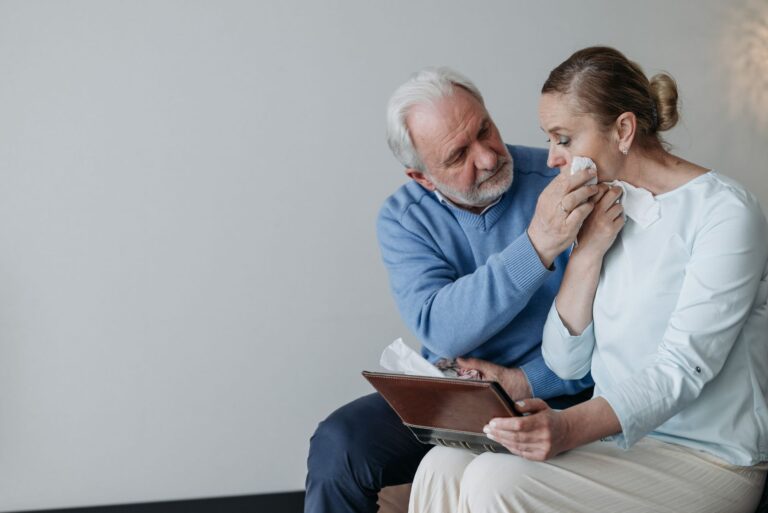
Male caregivers can find other men in the same role through male-focused dementia groups, veteran caregiver programs, and online peer communities. These settings connect men who care for a spouse, parent, or person with Alzheimer's to peers facing similar daily tasks. A family caregiver is an unpaid relative or friend who helps with daily needs, personal care, and decisions. Men are a large share of this work.
According to AARP and the National Alliance for Caregiving in its 2020 Caregiving in the U.S. summary, about 39% of 53 million U.S. unpaid family caregivers were men. The U.S. Bureau of Labor Statistics reported in its September 2023 eldercare news release that about 45% of unpaid eldercare providers were men, about 15.2 million men caring for someone age 65 or older.
Medical information disclaimer: This article is for general educational purposes only and does not provide medical advice, diagnosis, or treatment. Always consult a physician or other qualified health professional about symptoms, medications, tests, or treatment decisions.
Table of Contents
- Why meeting other men helps
- Where can you find a male-focused group?
- What if you care for a veteran?
- What if you do not see yourself as a caregiver?
Why meeting other men helps
A qualitative study of Alzheimer's caregiver support groups found male caregivers benefited from the support and company of other men in similar situations. That contact eased frustration and helped build coping strategies. Shared experience made daily problems easier to discuss and solve.
A systematic review of older male spousal caregivers found reluctance to seek help or discuss emotions, plus isolation and loneliness. It pointed to a need for social support delivered in a male-specific context. A group of peers can lower that barrier because the focus stays on practical tasks and mutual understanding.
Where can you find a male-focused group?
The Alzheimer's Association notes on its help in your area page that some chapters offer specialized support groups for male caregivers. The same source lists a 24/7 Helpline, the Community Resource Finder, and the ALZConnected online community to locate groups by ZIP code. A ZIP-code search is a direct way to see what meets near home.
Online options help when work, distance, or care hours block in-person attendance. ALZConnected allows contact with other caregivers outside scheduled meetings. Men caring for someone with dementia can use both local and online options at the same time.
What if you care for a veteran?
The U.S. Department of Veterans Affairs runs the Program of Comprehensive Assistance for Family Caregivers. It supports eligible family caregivers of veterans rated 70% or more disabled who need six or more months of in-person personal care.
Support includes training, stipend, and services. This path fits sons, husbands, and other male relatives who provide sustained hands-on care for a veteran. Eligibility centers on the veteran's disability rating and need for ongoing personal care. Families in this position can review VA criteria and apply through VA caregiver benefits.
What if you do not see yourself as a caregiver?
Counts understate men because male caregivers less often label themselves as caregivers and seek help later. Surveys and group rosters then miss them.
Waiting can increase isolation and make coping harder. A practical first move is to contact a caregiver organization rather than wait for a crisis. Useful steps include: Call even if care feels manageable now, so peer ties exist before stress builds.
- call Caregiver Action Network's community and Help Desk at 855-227-3640 for peer connection and guidance
- check Family Caregiver Alliance state services for local programs
- search by ZIP code for a dementia group, including male-specific groups where offered