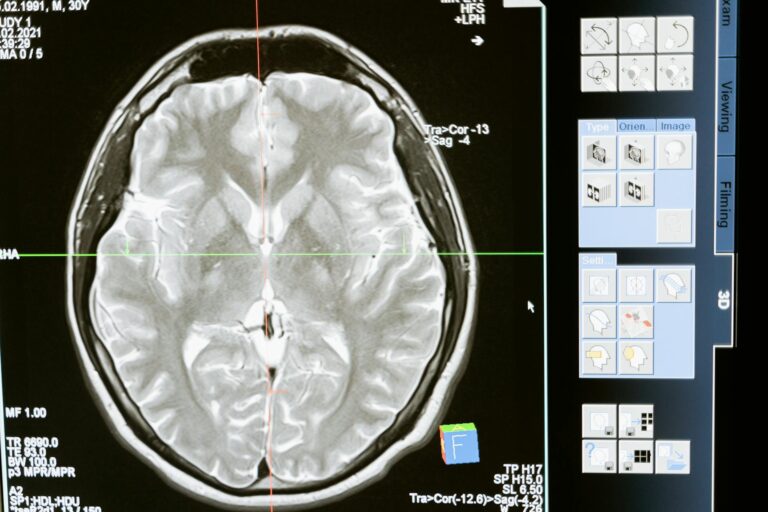
The short answer is both: the ketogenic diet for Alzheimer’s disease is genuinely promising, but recommending it broadly remains premature. A 2024 systematic review and meta-analysis of 10 randomized controlled trials involving 691 Alzheimer’s patients found that ketogenic diets effectively improved mental state, cognitive function scores, and quality of life over intervention periods of 3 to 15 months. That is not nothing. But the sample sizes remain small, the study durations short, and the side effects — particularly elevated triglycerides and LDL cholesterol — raise real concerns for elderly patients who already face cardiovascular risk. We are past the point of pure speculation, but not yet at the point of clinical confidence.
Consider a 72-year-old woman with early-stage Alzheimer’s whose family has read about keto online and wants to know if it could help. The science gives her reason to be cautiously optimistic, not dismissive. Researchers have identified a clear biological rationale for why ketogenic diets might help the Alzheimer’s brain, and several clinical trials have shown measurable benefits. But her doctor would also need to weigh her cardiovascular health, her ability to maintain such a restrictive diet, and the fact that no large-scale, long-duration trial has yet confirmed these early findings. This article walks through the mechanism behind keto and Alzheimer’s, what the clinical trials actually show, how genetics and sex may influence outcomes, what risks to watch for, and what practical steps families can take while the science catches up.
Table of Contents
- Why Would a Ketogenic Diet Help the Alzheimer’s Brain?
- What Do the Clinical Trials Actually Show?
- How Genetics and Sex Change the Equation
- Weighing the Risks Against the Potential Benefits
- Why Large-Scale Proof Remains Elusive
- What Families Can Do Right Now
- Where the Research Goes From Here
- Conclusion
- Frequently Asked Questions
Why Would a Ketogenic Diet Help the Alzheimer’s Brain?
The foundational idea is straightforward: in Alzheimer’s disease, the brain‘s ability to use glucose for fuel is impaired. This metabolic deficit appears early, sometimes decades before symptoms emerge, and it worsens as the disease progresses. Ketones — molecules produced when the body burns fat instead of carbohydrates — can serve as an alternative brain energy source, potentially bypassing the glucose bottleneck entirely. The National Center for Advancing Translational Sciences at the NIH has highlighted this metabolic bypass as a key reason ketogenic diets warrant serious investigation in Alzheimer’s research. One molecule in particular has attracted attention. Beta-hydroxybutyrate, or BHB, increases nearly 7-fold on a ketogenic diet.
A 2024 study reported by ScienceDaily found that BHB plays a pivotal role in preventing early memory decline in mouse models of Alzheimer’s disease. Think of it this way: if the brain’s usual power grid is failing, ketones function like a backup generator. The question is not whether that generator can produce electricity — it clearly can — but whether it can run reliably enough, for long enough, and without causing other problems in an aging body. What makes this mechanism particularly compelling is that it does not depend on clearing amyloid plaques or fixing tau tangles, the two pathological hallmarks that most Alzheimer’s drugs target with limited success. Instead, it addresses the energy crisis in the brain directly. A January 2026 expert review published in Expert Review of Neurotherapeutics discussed how ketogenic diets may improve amyloid burden and reduce neuroinflammation by providing this alternative energy source, suggesting the benefits may extend beyond simple fuel replacement.

What Do the Clinical Trials Actually Show?
The most rigorous overview to date is the 2024 systematic review and meta-analysis published in a peer-reviewed journal and indexed on PubMed. Analyzing 10 randomized controlled trials with 691 Alzheimer’s patients, it found statistically significant improvements in cognitive function and quality of life among those on ketogenic diets compared to control groups. The interventions ranged from 3 to 15 months, and the treatment effect observed was comparable to some pharmaceutical Alzheimer’s interventions — a notable benchmark given how modest the benefits of approved drugs often are. Individual trials add texture to these findings. A 12-week randomized crossover trial of a modified ketogenic diet in Alzheimer’s patients, published in Alzheimer’s Research and Therapy, reported high retention and adherence rates.
Patients on the ketogenic diet showed improvements in daily function and quality of life compared to those on a usual diet. Separately, a study on the Modified mediterranean Ketogenic Diet published in Nature Communications Medicine in 2024 found that the diet reversed peripheral lipid signatures associated with Alzheimer’s — changes that were the opposite of those typically seen in people developing the disease. A companion study in npj Metabolic Health and Disease confirmed through serum and cerebrospinal fluid metabolomics that the MMKD mitigates risk factors of Alzheimer’s disease. However, every one of these trials shares a common limitation: small sample sizes and relatively short durations. The 691 patients across 10 trials is encouraging as an aggregate, but no single trial has enrolled hundreds of participants and followed them for years, which is the standard we typically require before changing clinical practice. The positive signals are consistent and biologically plausible, but they have not yet been replicated at the scale needed to rule out confounding factors or confirm durability.
How Genetics and Sex Change the Equation
One of the most striking recent findings complicates the keto-for-Alzheimer’s story in an important way. Research from the University of Missouri published in 2025 found that female mice carrying the APOE4 gene — the strongest known genetic risk factor for late-onset Alzheimer’s — showed healthier gut bacteria and more brain energy on a ketogenic diet compared to a high-carbohydrate diet. Males carrying the same gene did not show the same improvements. This is not a minor footnote. APOE4 carriers represent roughly 25 percent of the population, and women already face higher Alzheimer’s risk than men, so a diet that works differently based on sex and genotype has significant implications. Researchers involved in this work have suggested it supports a precision nutrition approach — tailoring ketogenic interventions based on genotype, sex, gut microbiome composition, and age rather than applying a one-size-fits-all dietary recommendation.
This is where the field appears to be heading, and it aligns with broader trends in medicine away from population-level advice and toward individualized protocols. For a family considering keto for a loved one with Alzheimer’s, this means the answer to “will it help?” may depend heavily on who is asking. Yet the picture is not cleanly divided. A narrative review indexed in PubMed Central noted that some studies show patients with APOE e4 alleles showed little statistical significance between cognitive improvements and ketone body levels. In other words, carrying the highest-risk gene for Alzheimer’s might mean keto helps you more, helps you less, or helps you differently depending on factors we do not yet fully understand. This uncertainty is honest, and families deserve to hear it rather than oversimplified promises.

Weighing the Risks Against the Potential Benefits
The most commonly cited concern with ketogenic diets in elderly Alzheimer’s patients is cardiovascular. The 2024 meta-analysis that found cognitive benefits also documented elevated triglycerides and LDL cholesterol as side effects. For a 78-year-old with existing heart disease, adding cardiovascular risk to pursue uncertain cognitive benefit is a trade-off that demands careful medical evaluation, not a casual decision made after reading a health blog. Beyond lipid profiles, there are firm contraindications. The Institute for Functional Medicine lists type 1 diabetes, kidney failure, liver failure, heart failure, and eating disorders as conditions where ketogenic diets should not be attempted. For dementia patients specifically, there is an additional practical challenge: maintaining a restrictive diet requires planning, shopping, cooking, and consistent meal preparation.
A person with moderate Alzheimer’s cannot manage this independently, which means the burden falls on caregivers who are often already stretched thin. Adherence was notably high in the 12-week crossover trial, but that study involved structured support; real-world adherence without such scaffolding is likely to be lower. The comparison worth making is between a strict ketogenic diet and less restrictive approaches that still boost ketone levels. Medium-chain triglyceride (MCT) oil supplementation, for instance, can raise blood ketone levels without requiring full carbohydrate restriction. The Modified Mediterranean Ketogenic Diet used in the Nature-published studies is less extreme than a classic therapeutic ketogenic diet. For many families, these intermediate options may offer a more realistic and sustainable path, even if the ketone levels achieved are lower.
Why Large-Scale Proof Remains Elusive
If the early results are so encouraging, why do we not yet have the definitive large trial that would settle the question? Several obstacles stand in the way, and understanding them helps explain why the field moves slowly despite genuine momentum. First, dietary interventions are inherently harder to study than pills. You cannot give someone a placebo diet in the same way you give a placebo tablet. Blinding is difficult, adherence monitoring is imperfect, and controlling for the dozens of other variables in a person’s diet requires meticulous design. Second, the Alzheimer’s research infrastructure is heavily oriented toward pharmaceutical interventions, where patent-protected drugs can generate returns that justify billion-dollar trials. No one holds a patent on eating fewer carbohydrates.
Funding for dietary intervention trials comes primarily from government grants and foundations, which limits scale. The NCATS at NIH has flagged this funding gap as a barrier, noting that while the treatment effect observed in existing keto trials is comparable to some pharmaceutical AD interventions, more research is needed to establish the approach on equal footing. Third, there are genuine scientific questions about standardization. What counts as a ketogenic diet varies across studies — some use classic 4:1 fat-to-protein ratios, others use modified Mediterranean approaches, others rely on MCT supplementation. Until the field converges on a standardized protocol, comparing results across trials and building cumulative evidence remains difficult. Challenges in demonstrating quality-of-life improvement, improving long-term adherence, and standardizing ketogenic therapies must be addressed before broad clinical recommendations can be responsibly made.

What Families Can Do Right Now
For families who do not want to wait for the definitive trial but also do not want to take reckless risks, there is a reasonable middle path. Start by discussing any dietary change with the patient’s neurologist and primary care physician. Request baseline lipid panels and metabolic labs.
Consider beginning with MCT oil supplementation or a Modified Mediterranean Ketogenic Diet rather than a strict classical ketogenic protocol, as these have shown benefits in published research with more manageable dietary requirements. A practical example: one approach used in published research involves replacing refined carbohydrates with healthy fats like olive oil, avocados, nuts, and fatty fish while moderately reducing overall carbohydrate intake — essentially the Modified Mediterranean Ketogenic Diet. This is far more achievable for a caregiver preparing meals than calculating macronutrient ratios to maintain strict nutritional ketosis. Monitor the patient’s weight, energy levels, mood, and any digestive changes, and schedule follow-up bloodwork within 8 to 12 weeks to check lipid levels and kidney function.
Where the Research Goes From Here
The trajectory of keto-and-Alzheimer’s research is toward larger, longer, and more personalized trials. The 2025 findings on sex and APOE4 genotype point toward a future where dietary recommendations are not generic but stratified — where a clinician might recommend a ketogenic approach for a female APOE4 carrier in her 60s but counsel a different strategy for a male non-carrier in his 80s.
The 2026 expert review’s focus on neuroinflammation and amyloid burden suggests researchers are also moving beyond simple cognitive scores to measure biological markers of disease progression, which could provide more sensitive evidence of benefit. What we need most is a well-funded, multi-center randomized controlled trial enrolling several hundred participants, lasting at least two years, and stratified by genotype and sex. Until that trial is completed, the honest position is that the ketogenic diet for Alzheimer’s disease is one of the more scientifically grounded nutritional interventions under investigation — more credible than most supplements marketed to dementia patients, supported by real mechanism and real data, but not yet proven at the standard that responsible medicine requires.
Conclusion
The ketogenic diet for Alzheimer’s disease occupies a genuinely interesting position in the research landscape. The biological rationale is sound — the Alzheimer’s brain struggles to use glucose, and ketones offer an alternative fuel. A 2024 meta-analysis of 10 trials found real cognitive and quality-of-life improvements. Emerging research on BHB, lipid signatures, sex differences, and APOE4 genetics adds depth and nuance. A 2026 expert review continues to affirm the mechanistic promise.
None of this is hype; it is legitimate science at an early stage. But early-stage science is not the same as proven treatment. Sample sizes remain small, cardiovascular side effects are real, long-term adherence is unproven at scale, and the interplay of genetics, sex, and diet response is still being untangled. Families considering this approach should do so with medical supervision, realistic expectations, and an understanding that they are, in a sense, participating in an ongoing experiment. The evidence is promising enough to take seriously and preliminary enough to approach with caution — which, in Alzheimer’s research, is a better position than most interventions can claim.
Frequently Asked Questions
Can a ketogenic diet cure Alzheimer’s disease?
No. No dietary intervention has been shown to cure Alzheimer’s. The research suggests ketogenic diets may slow cognitive decline and improve quality of life, but they do not reverse the underlying disease process. Families should be wary of any source claiming otherwise.
How quickly might someone with Alzheimer’s see benefits from a ketogenic diet?
In published trials, measurable improvements in cognitive function and daily living activities were observed over periods of 12 weeks to 15 months. Individual responses vary, and some participants in studies showed no significant change. Benefits, when they occur, tend to be modest rather than dramatic.
Is MCT oil a substitute for a full ketogenic diet?
MCT oil supplementation raises blood ketone levels without requiring strict carbohydrate restriction, and some studies have used it as a less burdensome alternative. The ketone levels achieved are generally lower than with a full ketogenic diet, but it may be a more practical option for elderly patients and their caregivers.
Should someone with the APOE4 gene try a ketogenic diet?
The 2025 University of Missouri research found benefits specifically in female mice with APOE4, but a separate review found APOE e4 carriers showed inconsistent cognitive responses to ketone levels. The relationship between APOE4 and ketogenic diet response is still being studied, and no firm recommendation can be made based on genotype alone at this time.
What are the main risks of a ketogenic diet for elderly Alzheimer’s patients?
Elevated triglycerides and LDL cholesterol are the most documented side effects. The diet is contraindicated in people with type 1 diabetes, kidney failure, liver failure, heart failure, or eating disorders. Weight loss, which can be harmful in frail elderly patients, is another concern that requires monitoring.
Do any Alzheimer’s drugs work better or worse alongside a ketogenic diet?
There is currently no robust evidence on how ketogenic diets interact with approved Alzheimer’s medications such as cholinesterase inhibitors or the newer anti-amyloid antibodies. Patients should not stop any prescribed medication in favor of a dietary approach and should inform their treatment team about any dietary changes.