Reviewed by the Help Dementia Editorial Team — our editors review every article for accuracy against guidance from the National Institute on Aging, the Alzheimer’s Association, and peer-reviewed sources.
Vision changes can be an early warning sign of dementia, but they’re not the same as normal aging. While presbyopia—the age-related difficulty focusing on close objects—is an expected part of getting older, dementia-related vision problems involve cognitive difficulties in how the brain processes what the eyes see. The distinction matters because certain types of vision impairment appear to predict cognitive decline years before a dementia diagnosis becomes obvious. For example, a 75-year-old man who begins struggling not just to see small print, but to recognize familiar faces or judge distances safely while driving, may be experiencing something different from normal aging and potentially worth investigating further. Research now shows that vision problems are linked to a substantial portion of dementia cases in the United States.
Approximately 100,000 U.S. dementia cases are associated with visual impairment, with projections suggesting this could rise to around 250,000 cases by 2050. In a nationally representative study, dementia prevalence was nearly 22 percent among older adults with impaired near vision, compared to just over 12 percent in the general population—a dramatic difference that suggests vision impairment is a significant risk marker for cognitive decline. The evidence is compelling enough that vision screening may become an important part of early dementia detection. A UK study found that vision problems could predict dementia development up to 12 years before an official diagnosis, meaning that the eyes might offer a glimpse into the brain’s future health long before cognitive symptoms become undeniable.
Table of Contents
- How Do Vision Changes Differ Between Normal Aging and Dementia?
- What Does the Research Tell Us About Vision Problems and Dementia Risk?
- Early Detection: Can Vision Changes Predict Dementia?
- When Should You Be Concerned About Vision Changes?
- Common Vision Problems in Dementia
- What You Can Do: Protecting Vision and Brain Health
- Looking Forward: Vision as a Window to Brain Health
- Conclusion
How Do Vision Changes Differ Between Normal Aging and Dementia?
Common age-related vision changes—such as cataracts, presbyopia, and reduced contrast sensitivity—happen to nearly everyone as the years accumulate. You might need reading glasses by your 50s, or find that you need brighter lighting to read comfortably. These are structural and optical changes in the eye itself, and while they can make daily life more challenging, they reflect the normal biology of aging. dementia-related vision problems work differently. Instead of affecting the eye’s ability to focus or transmit light, they affect how the brain interprets visual information. Someone with dementia-related vision changes might see perfectly well at the eye level, yet struggle to recognize their spouse’s face, judge the distance to a curb, or identify objects in their environment.
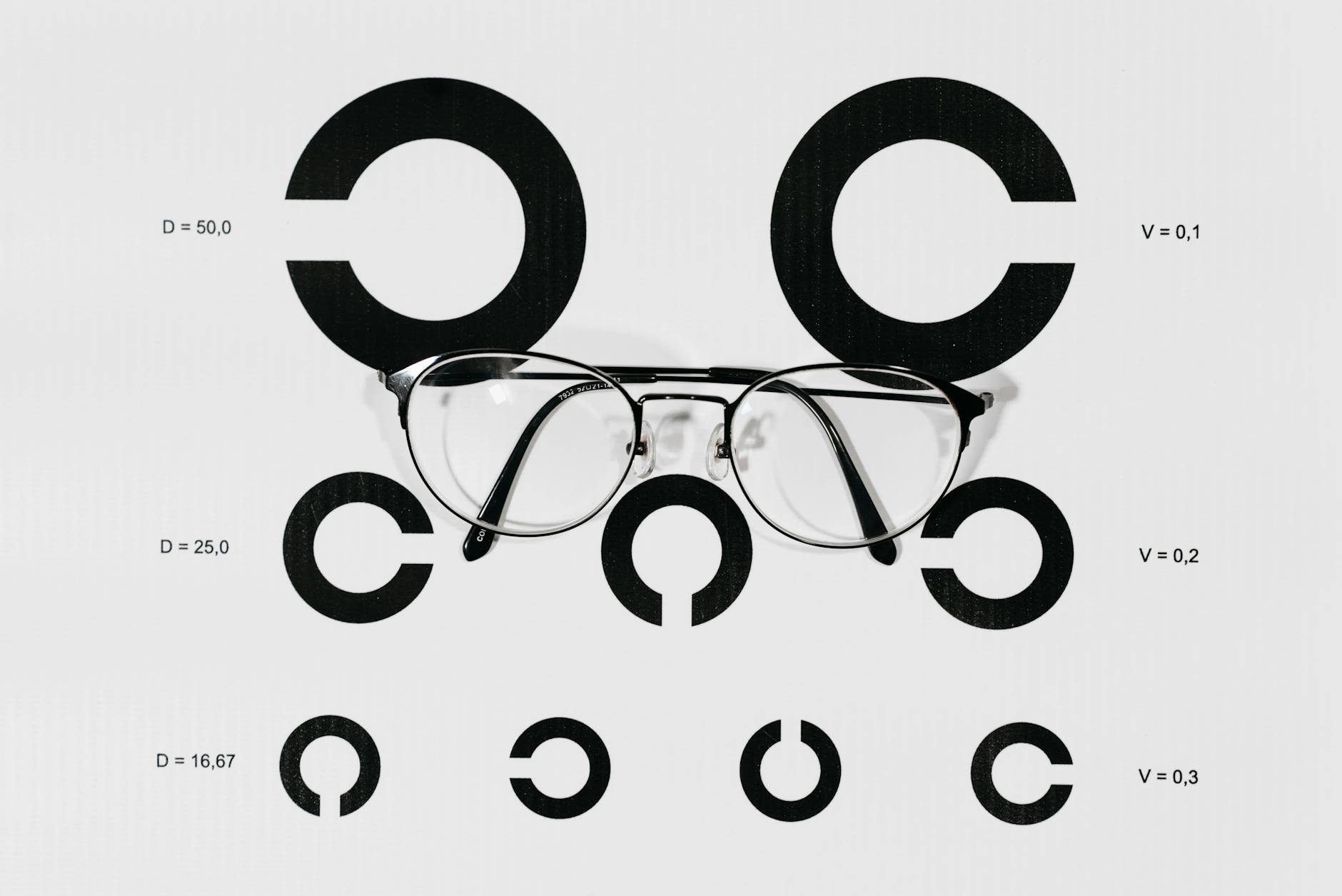
They may have difficulty with depth perception, finding it hard to navigate stairs or pour a glass of water without spilling. These are problems of visual processing and spatial awareness, not problems of sight itself. This distinction is crucial because it helps explain why a person might have 20/20 vision on an eye chart but still experience significant visual and spatial difficulties. A practical example illustrates this difference: an 80-year-old with cataracts might complain that everything looks cloudy and dim, but can still recognize people and navigate familiar rooms. An 80-year-old with dementia might see clearly, but become confused about what they’re looking at—picking up a fork but unable to recall its purpose, or seeing a doorway but not understanding it as a passage they can move through. The CDC distinguishes these as separate phenomena, noting that dementia involves cognitive difficulty processing visual information, depth perception, and object recognition—functions that go far beyond the eye itself.
What Does the Research Tell Us About Vision Problems and Dementia Risk?
The scientific evidence for a connection between vision impairment and dementia is substantial and growing. A systematic review published in Frontiers in Aging Neuroscience examined over 100 studies on this topic and found that 91 of 110 studies identified a significant positive association between visual impairment and cognitive decline or dementia. This consistency across dozens of independent studies suggests the relationship is real and important, not a statistical coincidence. However, it’s important to recognize that the nature of this association isn’t fully understood. Researchers have identified several possible explanations.
Vision impairment might cause dementia by limiting cognitive stimulation—if you can’t see well, you interact less with your environment, and this reduced engagement may accelerate cognitive decline. Alternatively, vision and dementia might both result from common underlying brain changes, particularly in regions responsible for processing visual information and managing memory. Or, the relationship might be more complex, involving multiple pathways. The limitation here is that identifying correlation in research doesn’t automatically reveal causation, and more work is needed to determine whether improving vision could slow cognitive decline or whether the connection is more about shared biological vulnerabilities. What we do know is that the prevalence of visual impairment among dementia patients is notable: between 16.3 and 32.5 percent of dementia patients ages 60 to 89 have visual impairment, depending on how impairment is measured. This range reflects different assessment methods and populations studied, which is itself a limitation—no single test captures all aspects of vision that matter for dementia risk.
Early Detection: Can Vision Changes Predict Dementia?
One of the most intriguing findings in recent dementia research is that vision changes may arrive years before other cognitive symptoms become apparent. A 12-year longitudinal study tracking older adults found that those with visual impairment had a significantly higher risk of developing dementia over time, with particularly pronounced effects in younger males. This predictive capacity could have real implications for early identification if vision screening were integrated into routine health assessments for aging adults. Consider the case of a 68-year-old woman who begins experiencing subtle changes in how she perceives her surroundings—difficulty reading menus in restaurants, trouble judging curb heights while walking, or occasional confusion about where objects are in her visual field. These changes prompt her to see an eye doctor, who finds no structural problems that would explain the symptoms.
Traditional eye exams come back normal, but the underlying visual processing difficulty persists. Under a dementia screening model that includes vision assessment, this woman’s experience might trigger further cognitive evaluation years before she develops obvious memory loss, potentially allowing for earlier intervention. The research on vision as a predictor comes with important caveats. Not everyone with vision problems will develop dementia, just as not everyone with dementia experiences vision changes. Vision impairment increases risk, but it’s one risk factor among many. Additionally, the predictive value varies depending on the type and severity of vision impairment, and studies have been conducted in various populations with different baseline risks, making it difficult to generalize predictions to any individual patient.

When Should You Be Concerned About Vision Changes?
The distinction between normal aging and potentially concerning vision changes comes down to understanding what’s typical and what’s not. If you find that you need stronger reading glasses as you age, or that bright sunlight causes glare, you’re almost certainly experiencing normal aging. If your eye doctor finds that your vision corrects fully with glasses or contacts, that’s also a reassuring sign that the vision problem is primarily optical in nature. Concern is more warranted when vision changes don’t follow the predictable pattern of normal aging. Warning signs might include: difficulty recognizing familiar faces, trouble navigating familiar environments, balance problems that seem tied to visual uncertainty, getting lost in places you know well, or vision difficulties that persist despite updated glasses.
If you’re experiencing subtle visual processing problems alongside other cognitive changes—like difficulty following conversations or getting lost more easily—it’s worth mentioning these patterns to your doctor. A comprehensive evaluation can determine whether you’re dealing with a standard eye condition, normal aging, or something that warrants cognitive assessment. The tradeoff is that not every vision change signals serious cognitive decline, and seeking evaluation for every minor visual complaint could lead to unnecessary worry. But because vision changes can potentially predict dementia years in advance, they’re worth taking seriously if they deviate from normal aging patterns. The effort of a vision and cognitive screening is relatively modest compared to the potential benefit of early detection.
Common Vision Problems in Dementia
Dementia can produce several specific vision-related challenges that go beyond simple refractive errors. People with dementia often experience visual agnosia—difficulty recognizing what they’re looking at despite having functional eyesight. Someone might see a plate of food but not understand it as food. They might struggle with figure-ground discrimination, finding it hard to pick out objects against a textured background. Depth perception problems are also common, making stairs, curbs, or water hazards genuinely dangerous without proper support.
A critical limitation in understanding dementia-related vision problems is that they can be easily overlooked or misattributed to other causes. A person with dementia who stumbles might be attributed to clumsiness or weakness rather than a visual processing issue. Someone who doesn’t make eye contact or seems visually inattentive might be assumed to have behavioral problems when actually their visual system isn’t processing information correctly. This misdiagnosis can lead to inappropriate responses and missed opportunities for environmental modifications that could improve safety and independence. Additionally, vision problems in dementia aren’t always stable—they can fluctuate, making them harder to pin down in assessment and more challenging to prepare for in caregiving.

What You Can Do: Protecting Vision and Brain Health
While you can’t eliminate the risk of dementia through vision care alone, maintaining healthy vision is part of a comprehensive approach to brain health. This includes protecting your eyes from UV damage by wearing sunglasses, managing conditions like diabetes and high blood pressure that affect eye health, not smoking, and eating a diet rich in antioxidants and omega-3 fatty acids that support both eye and brain function. Regular eye exams are also important—not just for prescription updates, but to catch conditions like glaucoma, macular degeneration, or diabetic retinopathy early, when treatment can be most effective.
For those already showing signs of cognitive change or vision impairment, environmental modifications can make a significant difference. Improving lighting at home, removing tripping hazards, using contrasting colors to highlight edges and steps, and organizing spaces consistently all make navigation easier and safer when vision processing is affected. If you’re experiencing subtle vision changes without a clear cause, bringing this to your doctor’s attention—whether that’s your primary care physician, ophthalmologist, or optometrist—can prompt appropriate evaluation. The goal isn’t to create unnecessary alarm but to establish a baseline and monitor for changes that might warrant further investigation.
Looking Forward: Vision as a Window to Brain Health
The emerging research on vision and dementia is shifting how we think about aging. Rather than viewing vision changes and cognitive decline as separate aspects of aging, we’re beginning to see them as potentially linked processes. As our population ages and dementia cases rise, finding early markers of cognitive decline becomes increasingly important. Vision could be one of those markers—something relatively easy and inexpensive to assess, yet informative about broader brain health.
Future clinical practice may well include vision screening as a routine component of cognitive health assessment for older adults, particularly those with risk factors for dementia. This represents a significant shift from the current model, where vision and cognition are typically assessed in separate silos. As research continues to clarify the relationship between vision and dementia, and as assessment tools improve, it’s likely that our ability to predict and potentially intervene in cognitive decline will improve. For now, the message is clear: don’t dismiss vision changes as purely cosmetic or inevitable. They may be telling you something important about your brain.
Conclusion
Vision changes can indeed be an early warning sign of dementia, though not all vision changes signal cognitive decline. The key is recognizing the difference between normal age-related changes in the eye itself—like presbyopia or cataracts—and cognitive difficulties in how the brain processes visual information. When vision changes involve difficulty recognizing faces, judging distances, or navigating familiar spaces despite otherwise clear eyesight, they merit investigation. The evidence linking visual impairment to dementia is strong and growing, with about 100,000 U.S.
dementia cases currently associated with vision problems and projections rising to 250,000 by 2050. Vision impairment increases dementia risk substantially and may even predict cognitive decline years in advance. If you’re noticing vision changes that don’t fit the typical aging pattern, a comprehensive eye exam coupled with honest conversation with your doctor about cognitive concerns is a reasonable and responsible step. Together, vision health and cognitive screening can provide valuable insight into your brain’s current and future wellbeing.