Reviewed by the Help Dementia Editorial Team — our editors review every article for accuracy against guidance from the National Institute on Aging, the Alzheimer’s Association, and peer-reviewed sources.
Heart disease sits at the center of this dementia and brain health question.
Yes, there is a significant link between heart disease and Alzheimer’s disease, supported by decades of medical research. Scientists have found that people with cardiovascular disease have an elevated risk of developing dementia, and the conditions share several underlying biological mechanisms that damage both the heart and the brain. For example, a person diagnosed with heart disease in their 50s faces roughly twice the risk of developing Alzheimer’s compared to someone with a healthy cardiovascular system—a connection that becomes increasingly apparent as we age.
The relationship isn’t simply coincidental. The same processes that harden arteries and reduce blood flow to the heart also restrict oxygen and nutrients to the brain, creating an environment where Alzheimer’s pathology flourishes. This vascular damage can accumulate silently over decades, meaning that heart health decisions made in middle age directly influence cognitive health in later life. Understanding this connection matters because both conditions are largely preventable through lifestyle and medical intervention.
Table of Contents
- HOW DOES CARDIOVASCULAR DISEASE INCREASE ALZHEIMER’S RISK?
- THE VASCULAR BASIS OF COGNITIVE DECLINE
- SPECIFIC CARDIOVASCULAR CONDITIONS LINKED TO ALZHEIMER’S
- PREVENTION STRATEGIES AND DIFFICULT TRADEOFFS
- LIMITATIONS IN CURRENT KNOWLEDGE AND RESEARCH GAPS
- THE ROLE OF INFLAMMATION AND IMMUNE RESPONSE
- FUTURE DIRECTIONS AND EMERGING RESEARCH
- Conclusion
- Frequently Asked Questions
HOW DOES CARDIOVASCULAR DISEASE INCREASE ALZHEIMER’S RISK?
The brain depends on a steady, robust blood supply to function properly. When cardiovascular disease develops—whether through plaque buildup in arteries, high blood pressure, or heart valve problems—the brain receives less oxygen-rich blood. This chronic oxygen deprivation accelerates cognitive decline and makes the brain more vulnerable to Alzheimer’s pathology, including the accumulation of amyloid-beta plaques and tau tangles that characterize the disease. Several specific mechanisms explain this connection. High blood pressure damages the delicate blood vessels in the brain, allowing harmful substances to leak into brain tissue.
Atherosclerosis (hardened arteries) reduces blood flow both to the heart and brain, essentially starving neural cells of essential nutrients. Atrial fibrillation, an irregular heartbeat common in cardiac patients, increases stroke risk and causes micro-infarcts—tiny brain injuries—that compound over time. Consider a 60-year-old with uncontrolled hypertension: their blood vessels experience chronic inflammation and stiffness, affecting both their heart’s efficiency and their brain’s ability to clear away toxic proteins that accumulate in Alzheimer’s disease. The inflammation triggered by cardiovascular disease also plays a major role. Heart disease causes systemic inflammation throughout the body, including in the brain, where it promotes neurodegeneration and interferes with the brain’s waste-clearing mechanisms. This creates a vicious cycle where poor heart health drives brain inflammation, which accelerates Alzheimer’s development.

THE VASCULAR BASIS OF COGNITIVE DECLINE
Researchers have identified a form of dementia called vascular dementia, which results directly from reduced blood flow to the brain, but they’ve also discovered that cardiovascular damage contributes to pure Alzheimer’s disease and mixed dementia (a combination of vascular and Alzheimer’s pathology). Autopsies of Alzheimer’s patients frequently reveal significant cardiovascular damage in the brain, suggesting that in many cases, both vascular and amyloid pathology are responsible for cognitive decline. One limitation of current research is that the exact threshold—how much cardiovascular damage is needed to trigger noticeable cognitive problems—remains unclear and likely varies by individual. Some people with extensive arterial disease show relatively preserved cognition, while others with less obvious vascular damage experience rapid decline. This variability suggests that factors like cognitive reserve (mental engagement throughout life), education level, and genetic predisposition also play important roles.
Additionally, cardiovascular disease doesn’t inevitably lead to Alzheimer’s, even though it significantly increases risk. Many people with heart disease die from cardiac events before developing dementia, and others maintain normal cognition despite poor cardiovascular health. A critical warning: treating heart disease isn’t a guaranteed prevention strategy for Alzheimer’s. Managing blood pressure, cholesterol, and heart rhythm can reduce risk, but the relationship is probabilistic rather than deterministic. Someone who achieves excellent cardiac health may still develop Alzheimer’s due to other genetic or environmental factors, making preventive efforts important but not foolproof.
SPECIFIC CARDIOVASCULAR CONDITIONS LINKED TO ALZHEIMER’S
Certain heart conditions show particularly strong associations with Alzheimer’s risk. Atrial fibrillation increases the risk substantially through multiple pathways: the irregular heartbeat reduces blood flow efficiency, it increases stroke risk, and it triggers chronic inflammation. Heart failure, where the heart pumps inefficiently, also significantly elevates dementia risk because the brain receives insufficient blood despite the heart’s continued beating. Hypertension (high blood pressure) is perhaps the most well-established cardiovascular risk factor for Alzheimer’s, particularly when occurring in midlife (ages 40-60).
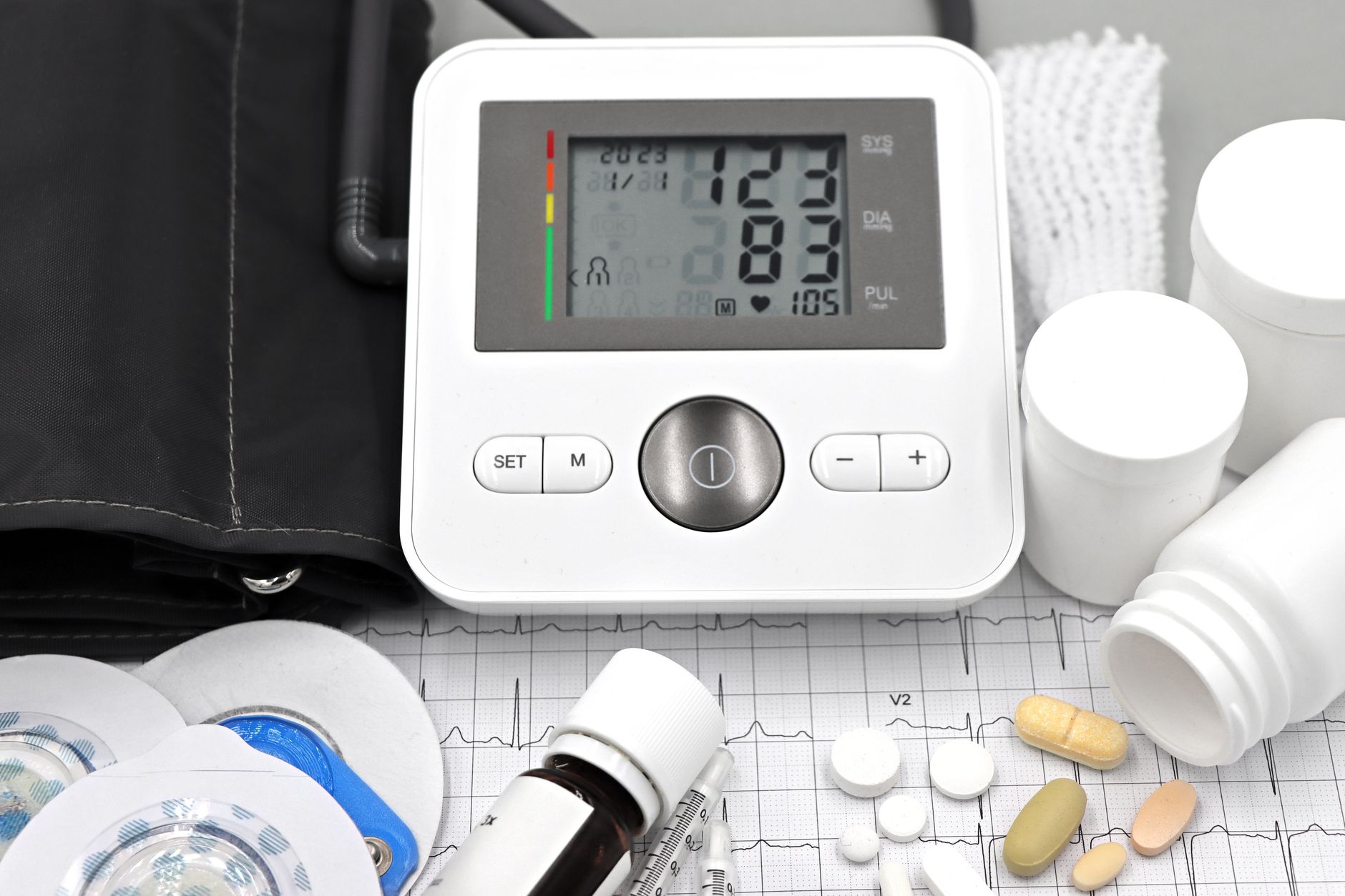
The damage occurs gradually: persistently elevated pressure weakens blood vessel walls, reduces their ability to dilate and constrict appropriately, and promotes atherosclerotic plaque formation. A concrete example: studies of Japanese populations, which historically had higher average blood pressures than Western populations before treatment became widespread, showed significantly higher dementia rates compared to groups where hypertension was controlled earlier. Once blood pressure is managed with medication, the dementia risk decreases, though the damage from decades of uncontrolled hypertension may already be partially done. High cholesterol, particularly when combined with other cardiovascular risk factors, also contributes to cognitive decline through several mechanisms. LDL cholesterol doesn’t just clog arteries supplying the heart; it damages brain blood vessels and may directly interact with amyloid-beta in promoting Alzheimer’s pathology.
PREVENTION STRATEGIES AND DIFFICULT TRADEOFFS
The good news is that cardiovascular disease and Alzheimer’s share many preventive strategies: maintaining healthy blood pressure, managing cholesterol levels, regular aerobic exercise, cognitive engagement, and a heart-healthy diet (Mediterranean diet shows particular promise) all reduce risk for both conditions. These lifestyle changes are far from simple to implement consistently, especially for people with established cardiovascular disease who may feel limited by their condition. The tradeoff is clear: people with existing heart disease often need to balance the energy demands of cardiac rehabilitation and medical treatments with maintaining cognitive engagement through exercise and mental stimulation. Exercise deserves special attention because it benefits both the heart and brain but requires careful calibration in cardiac patients.
While vigorous aerobic exercise powerfully protects the brain, people with advanced heart disease cannot safely perform such exercise without medical supervision. This creates a practical limitation: the people who most need cognitive protection through exercise are often those least able to perform intensive exercise, necessitating more conservative, medically monitored approaches. Medication also presents tradeoffs. Blood pressure medications effectively reduce dementia risk, but some classes (like certain older anticholinergic drugs) may slightly increase cognitive problems if used long-term, requiring informed discussions with physicians about which medications offer the best balance of cardiac and cognitive benefit.
LIMITATIONS IN CURRENT KNOWLEDGE AND RESEARCH GAPS
While the cardiovascular-Alzheimer’s connection is well-established epidemiologically, many questions remain unanswered. We don’t yet know whether intensive management of all cardiovascular risk factors can prevent Alzheimer’s, or whether we can only delay its onset. Long-term prevention trials are expensive and take decades to complete, so definitive evidence on optimal prevention strategies remains limited. Another limitation involves causality.
Studies show that people with heart disease have higher dementia rates, but proving that the cardiovascular disease directly caused the cognitive decline—rather than shared genetic factors, lifestyle choices, or other health conditions causing both—remains scientifically challenging. Someone with a genetic predisposition to cardiovascular disease might also be genetically vulnerable to Alzheimer’s through separate pathways. Additionally, reverse causation is possible: early cognitive decline might lead to poor self-care, dietary choices, and medication adherence that subsequently worsens cardiovascular health. A critical warning for patients and families: the cognitive benefits of cardiovascular disease management aren’t immediate or dramatic. Someone who finally gets their blood pressure under control may not notice improved thinking or memory, but they’re reducing the risk of future decline, a subtle prevention rather than a cure for existing problems.

THE ROLE OF INFLAMMATION AND IMMUNE RESPONSE
Cardiovascular disease and Alzheimer’s both involve chronic inflammation, and emerging research suggests that controlling inflammation may be key to dual prevention. When atherosclerotic plaques form in arteries, the immune system responds with inflammatory reactions that damage vessel walls. Similar inflammatory responses occur in Alzheimer’s brains around amyloid plaques, and evidence suggests that systemic inflammation from cardiovascular disease amplifies this brain inflammation.
C-reactive protein, a marker of systemic inflammation commonly elevated in heart disease patients, also correlates with dementia risk and cognitive decline in aging populations. For example, studies following older adults over a decade found that those with consistently elevated inflammatory markers experienced more rapid cognitive decline, particularly among those with existing cardiovascular disease. This opens the possibility that anti-inflammatory treatments might prevent both conditions, though clinical trials testing this approach are still underway.
FUTURE DIRECTIONS AND EMERGING RESEARCH
The field of cardio-neurology is emerging as researchers increasingly recognize that brain and heart health are inseparable. Future treatments may include drugs targeting shared pathways of damage, combination therapies addressing both cardiovascular disease and Alzheimer’s pathology simultaneously, or precision medicine approaches identifying which individuals face the greatest dual risk.
Advanced imaging technologies may eventually allow detection of both cardiac and cerebral vascular damage in asymptomatic people, enabling more targeted prevention efforts before significant cognitive decline occurs. The trajectory is clear: tomorrow’s dementia prevention strategies will increasingly incorporate aggressive cardiovascular disease management as a cornerstone, informed by better understanding of the specific pathways connecting heart and brain.
Conclusion
The evidence is unequivocal: heart disease and Alzheimer’s disease are interconnected through multiple biological pathways, with cardiovascular damage accelerating cognitive decline and increasing Alzheimer’s risk substantially. The mechanisms—including reduced blood flow, chronic inflammation, and accumulation of toxic proteins—are well-understood, making this relationship not merely an association but a causal link supported by decades of research. The practical implication is straightforward but demanding: protecting your brain health requires protecting your cardiovascular health, beginning in middle age when preventive interventions are most effective.
If you have been diagnosed with heart disease, work closely with your healthcare team not just on cardiac management but on cognitive health monitoring. For those without established cardiovascular disease, the time to act is now through blood pressure control, cholesterol management, regular exercise, cognitive engagement, and heart-healthy eating patterns. These aren’t separate endeavors for different organs—they’re a unified strategy for preserving both cardiac function and cognitive ability into older age.
Frequently Asked Questions
If I have high blood pressure, will I definitely develop Alzheimer’s disease?
No, high blood pressure increases risk but doesn’t guarantee Alzheimer’s will develop. Many people with successfully managed hypertension never develop dementia. However, uncontrolled blood pressure, particularly in midlife, significantly elevates your risk, making management crucial.
How much exercise do I need to protect my brain if I have heart disease?
Even modest activity helps—studies show that people with heart disease who engage in regular, medically appropriate exercise have lower dementia risk than sedentary cardiac patients. Work with your cardiologist to determine a safe exercise level specific to your condition, as “more is better” doesn’t apply when you have cardiac limitations.
Can taking blood pressure medication prevent Alzheimer’s?
Blood pressure medication substantially reduces Alzheimer’s risk, but it doesn’t prevent it entirely. Medication is part of a comprehensive strategy including lifestyle changes; it’s highly effective but not a complete solution.
Is there a specific diet that protects both my heart and brain?
The Mediterranean diet and DASH diet (Dietary Approaches to Stop Hypertension) show benefits for both cardiovascular and cognitive health. These diets emphasize vegetables, fruits, whole grains, fish, and healthy fats while limiting processed foods and salt.
At what age should I start worrying about the cardiovascular-Alzheimer’s connection?
Cardiovascular damage accumulates starting in middle age (40s-50s), with particularly critical years around age 40-60 for blood pressure management. However, it’s never too late to improve cardiovascular health, and even people in their 70s and 80s can reduce cognitive decline through better heart health management.
Can a heart attack or stroke cause Alzheimer’s disease?
A heart attack itself doesn’t cause Alzheimer’s, but it indicates the presence of vascular disease that increases Alzheimer’s risk. Similarly, strokes indicate significant vascular damage and substantially increase future dementia risk through both stroke-related brain damage and ongoing vascular disease affecting the entire brain.
You Might Also Like
- Why Earlier Diagnosis Matters in Alzheimer’s Disease
- Why Toxic Protein Research May Matter Beyond Dementia
- Can Obesity Trigger Alzheimer’s Disease?
For more, see Alzheimer’s Association — caregiving.