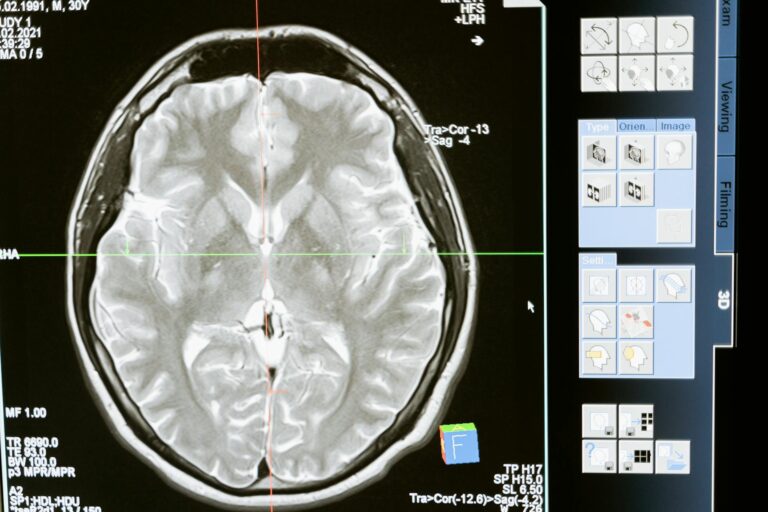
Sugar alone does not cause Alzheimer’s disease, but the relationship between chronically elevated blood sugar and cognitive decline is far more serious than most people realize. Researchers at Brown University first proposed the term “Type 3 diabetes” in 2005 after discovering that the brain produces its own insulin, and that when brain cells become insulin resistant, they starve, malfunction, and eventually die in patterns that closely mirror Alzheimer’s pathology. A person who has spent decades consuming excess sugar and refined carbohydrates may not just be at higher risk for Type 2 diabetes — they may be actively damaging the same neural pathways that Alzheimer’s destroys. That said, calling Alzheimer’s “Type 3 diabetes” is a simplification.
Genetics, inflammation, vascular health, sleep, and other factors all contribute, and plenty of people with well-controlled blood sugar still develop the disease. What the Type 3 diabetes theory does is highlight one significant and modifiable risk factor that has been underappreciated for decades. Consider someone diagnosed with prediabetes at age 50: a 2022 study published in Neurology found their risk of dementia over the next 25 years was roughly 19 percent higher than someone with normal glucose metabolism. This article explores what the Type 3 diabetes theory actually claims, what evidence supports it, where it falls short, and what you can realistically do about it.
Table of Contents
- What Is the Type 3 Diabetes Theory and How Does Sugar Affect the Brain?
- How Strong Is the Evidence Linking Diabetes and Alzheimer’s Risk?
- What Happens to Brain Insulin Signaling as We Age?
- Can Reducing Sugar Intake Actually Lower Your Alzheimer’s Risk?
- The Limits of the Type 3 Diabetes Theory and What It Cannot Explain
- How Blood Sugar Testing Could Become a Tool for Alzheimer’s Screening
- Where Is the Research Heading?
- Conclusion
- Frequently Asked Questions
What Is the Type 3 Diabetes Theory and How Does Sugar Affect the Brain?
The Type 3 diabetes theory, pioneered by neuropathologist Suzanne de la Monte at Brown University, proposes that Alzheimer’s disease is fundamentally a metabolic disorder of the brain. In a healthy brain, insulin helps neurons absorb glucose for energy and plays a role in memory formation. When brain cells become resistant to insulin — much like muscle and liver cells do in Type 2 diabetes — they can no longer efficiently take up glucose. The result is an energy crisis at the cellular level. Neurons begin to deteriorate, tau proteins become hyperphosphorylated, and amyloid plaques accumulate. These are the hallmarks of Alzheimer’s. What makes this theory compelling is that researchers have found the brain does not depend solely on insulin from the pancreas. The brain produces its own insulin locally, and in Alzheimer’s patients, the levels of brain-produced insulin are dramatically reduced.
De la Monte’s team demonstrated this in postmortem brain tissue studies, showing that the more advanced the Alzheimer’s, the worse the brain’s insulin signaling. The comparison to diabetes is not just metaphorical — the molecular mechanisms overlap significantly. Insulin-degrading enzyme, for instance, is responsible for breaking down both insulin and amyloid-beta. When the system is overwhelmed by too much insulin due to chronic high blood sugar, amyloid-beta clearance suffers. To put this in everyday terms, imagine the brain as a furnace that runs on glucose. Insulin is the valve that lets fuel in. In Type 3 diabetes, the valve is rusted shut, and the furnace starts burning cold even though fuel is sitting right outside. The neurons are surrounded by glucose they cannot use. Over years, this energy deficit leads to the shrinkage and cell death visible on brain scans of Alzheimer’s patients.

How Strong Is the Evidence Linking Diabetes and Alzheimer’s Risk?
Epidemiological evidence for the diabetes-Alzheimer’s connection is substantial. A large-scale meta-analysis published in 2015 in the journal Diabetes Care, which pooled data from over 1.7 million participants, found that people with Type 2 diabetes had a 56 percent higher risk of developing Alzheimer’s disease compared to those without diabetes. The Rotterdam Study, one of the longest-running population studies on dementia, found that diabetes roughly doubled the risk of dementia over a 6-year follow-up period. These numbers are hard to ignore. Animal studies have reinforced the link. Rats fed high-sugar diets develop insulin resistance in the brain and subsequently show Alzheimer’s-like changes, including increased amyloid plaque deposits and impaired spatial memory. When researchers injected streptozotocin — a chemical that destroys insulin-producing cells — directly into rat brains, the animals developed neurodegeneration patterns strikingly similar to Alzheimer’s.
This is one of the most commonly used animal models for studying the disease. However, correlation does not equal causation, and this is where the theory faces legitimate criticism. Many people with Type 2 diabetes never develop Alzheimer’s, and many Alzheimer’s patients were never diabetic. The APOE-e4 gene, the strongest genetic risk factor for late-onset Alzheimer’s, operates through lipid metabolism pathways that are separate from insulin signaling. Vascular damage from diabetes can also cause its own form of dementia — vascular dementia — which can be misdiagnosed as or coexist with Alzheimer’s. If your parent had Alzheimer’s but perfectly normal blood sugar throughout their life, the Type 3 diabetes theory does not neatly explain their case. The honest assessment is that impaired insulin signaling is likely one important pathway to Alzheimer’s, not the only one.
What Happens to Brain Insulin Signaling as We Age?
Even without diabetes, insulin sensitivity in the brain declines with normal aging. This is a critical point that gets overlooked when people focus exclusively on sugar consumption. Starting around age 60, the density of insulin receptors in key brain regions — particularly the hippocampus, which governs memory — begins to drop. This means the brain becomes progressively less efficient at using glucose as fuel, creating a mild version of the energy deficit described in the Type 3 diabetes model. Research from the National Institute on Aging has shown that this age-related decline in brain insulin function is accelerated by obesity, sedentary behavior, and poor sleep — not just dietary sugar. For example, a 2019 study in the journal Alzheimer’s and Dementia tracked over 5,000 older adults and found that those with the highest levels of insulin resistance, measured by the HOMA-IR index, had the fastest rates of cognitive decline over a 10-year period.
This held true even among participants who did not have diagnosed diabetes. The implication is that you do not need a diabetes diagnosis to have problematic insulin resistance in the brain. This also means that strategies to protect the brain need to start well before old age. A 70-year-old with decades of insulin resistance already has significant metabolic damage in the brain. A 45-year-old who addresses prediabetes today has a genuine opportunity to protect their cognitive future. The window matters, and it is wider than most people think.

Can Reducing Sugar Intake Actually Lower Your Alzheimer’s Risk?
Cutting sugar is a reasonable step, but it is not a magic bullet, and the framing matters. The goal is not to eliminate all sugar from your diet — your brain needs glucose to function. The goal is to prevent the chronic hyperglycemia and insulin spikes that, over years, degrade insulin signaling throughout the body and brain. There is a meaningful difference between eating a piece of fruit, which comes with fiber that slows glucose absorption, and drinking a can of soda, which dumps 39 grams of sugar directly into your bloodstream. The Mediterranean and MIND diets — both of which are relatively low in added sugars and refined carbohydrates — have the strongest evidence for cognitive protection. The MIND diet, specifically designed to reduce dementia risk, was associated with a 53 percent lower risk of Alzheimer’s in participants who followed it rigorously, according to research from Rush University Medical Center.
Even moderate adherence was linked to a 35 percent reduction. By contrast, low-carb and ketogenic diets have generated excitement in early research because ketones can serve as an alternative brain fuel when glucose metabolism is impaired. Small trials have shown improved cognitive scores in people with mild cognitive impairment who followed ketogenic diets. But these studies are short-term and involve small sample sizes. There is no long-term evidence yet that strict carbohydrate restriction prevents Alzheimer’s, and very low-carb diets can be difficult to maintain and may carry their own health tradeoffs, including elevated LDL cholesterol in some individuals. The practical takeaway is that you do not need to choose between extreme positions. Reducing added sugars, replacing refined grains with whole grains, eating more vegetables and healthy fats, and avoiding sugary beverages addresses the insulin resistance pathway without requiring a radical dietary overhaul.
The Limits of the Type 3 Diabetes Theory and What It Cannot Explain
One of the most important limitations of the Type 3 diabetes theory is that it risks oversimplifying a devastatingly complex disease. Alzheimer’s has been studied for over a century, and no single-cause theory has held up. The amyloid hypothesis — the idea that amyloid plaques are the primary driver — dominated research for 30 years and led to billions of dollars in failed drug trials. The tau hypothesis, the neuroinflammation hypothesis, the infection hypothesis, and now the metabolic hypothesis each capture part of the picture, but none captures all of it. There is also a danger in the messaging. Telling families that sugar caused their loved one’s Alzheimer’s can generate unwarranted guilt and blame.
Many Alzheimer’s patients lived healthy lives. Early-onset Alzheimer’s, which strikes people in their 40s and 50s, is overwhelmingly driven by genetic mutations — specifically in the APP, PSEN1, and PSEN2 genes — and has little to do with diet. Even in late-onset cases, the APOE-e4 allele is a far stronger predictor than metabolic syndrome. Clinical trials of diabetes drugs repurposed for Alzheimer’s have shown mixed results so far. Intranasal insulin trials showed some early promise but did not achieve their primary endpoints in larger studies. GLP-1 receptor agonists, such as semaglutide, are currently in Phase 3 trials for Alzheimer’s after observational data suggested lower dementia rates in users. Until those results come in, the Type 3 diabetes theory remains a promising framework, not a proven explanation.

How Blood Sugar Testing Could Become a Tool for Alzheimer’s Screening
One practical outcome of the Type 3 diabetes research is a growing push to include metabolic markers in routine cognitive health screening. Currently, HbA1c — a measure of average blood sugar over the past three months — is not standard in memory clinic workups, even though it could provide useful information.
Some forward-thinking clinicians have begun ordering fasting insulin levels and HOMA-IR scores alongside cognitive testing, looking for insulin resistance that has not yet crossed the threshold for a diabetes diagnosis. A 2023 study from the Karolinska Institute in Sweden found that elevated HbA1c in midlife — even in the “prediabetic” range of 5.7 to 6.4 percent — was associated with greater brain atrophy and worse memory scores 20 years later. If these findings are replicated and adopted clinically, a simple blood test could eventually help identify people at metabolic risk for cognitive decline long before symptoms appear, creating a window for intervention that currently does not exist in standard practice.
Where Is the Research Heading?
The next five years will be pivotal for the Type 3 diabetes theory. The EVOKE and EVOKE Plus trials, testing semaglutide in early Alzheimer’s, are expected to report results by 2025 or 2026. If a diabetes drug meaningfully slows Alzheimer’s progression, it would be a landmark validation of the metabolic hypothesis and could open an entirely new class of treatments. Meanwhile, researchers at the Mayo Clinic and Johns Hopkins are investigating whether continuous glucose monitors — already common in diabetes management — could serve as early warning systems for cognitive risk by tracking glucose variability patterns associated with brain inflammation.
What seems increasingly clear is that the old walls between metabolic disease and neurological disease are coming down. The brain is not a separate organ from the body’s metabolic machinery. How we eat, move, and manage blood sugar across our lifetimes shapes the biological environment in which neurons either thrive or deteriorate. The Type 3 diabetes theory, whatever its limitations, has permanently changed how researchers and clinicians think about the relationship between the body and the brain.
Conclusion
The Type 3 diabetes theory does not prove that sugar causes Alzheimer’s, but it has provided compelling evidence that chronic insulin resistance damages the brain in ways that accelerate or mimic the disease. The epidemiological data, the animal models, and the postmortem brain studies all point in the same direction: metabolic health and cognitive health are deeply intertwined. Ignoring blood sugar management while focusing solely on amyloid plaques or genetics misses a significant piece of the puzzle. For individuals and families concerned about Alzheimer’s risk, the actionable message is clear.
Get your metabolic markers checked, including fasting insulin and HbA1c, especially in midlife. Reduce added sugars and refined carbohydrates. Adopt a dietary pattern like the MIND or Mediterranean diet that has actual evidence behind it. Exercise regularly, because physical activity improves insulin sensitivity in both the body and the brain. And stay skeptical of anyone who tells you that one single factor — sugar or otherwise — is the definitive cause of a disease that has resisted simple explanations for more than a century.
Frequently Asked Questions
Is Alzheimer’s disease actually called Type 3 diabetes by doctors?
No. Type 3 diabetes is not an officially recognized medical diagnosis. It is a term used primarily in research to describe the role of brain insulin resistance in Alzheimer’s pathology. Your doctor will not write “Type 3 diabetes” on a chart, but the concept has influenced how many researchers now study the disease.
If I have Type 2 diabetes, does that mean I will get Alzheimer’s?
No. Having Type 2 diabetes increases your statistical risk, but the majority of people with diabetes do not develop Alzheimer’s. Many other factors are involved, including genetics, lifestyle, cardiovascular health, and education level. Managing your diabetes well appears to reduce the excess risk.
Can cutting out sugar reverse early signs of cognitive decline?
There is no strong evidence that dietary changes alone can reverse cognitive decline that has already begun. However, improving metabolic health through diet and exercise has been shown to slow the rate of decline in some studies. The earlier you intervene, the more benefit you are likely to see.
Are artificial sweeteners safer for the brain than sugar?
The research is unclear and somewhat concerning. A 2017 study in the journal Stroke found that people who drank diet soda daily had nearly three times the risk of dementia compared to those who rarely consumed it. However, the study could not establish causation. The safest approach is to reduce your taste for sweetness overall rather than swapping one sweetener for another.
Does the Type 3 diabetes theory apply to early-onset Alzheimer’s?
Generally, no. Early-onset Alzheimer’s, which accounts for about 5 to 10 percent of cases, is primarily driven by inherited genetic mutations. The metabolic theory is most relevant to late-onset Alzheimer’s, which typically develops after age 65 and involves a more complex interaction between genetic risk and lifestyle factors.
Should I get my insulin levels tested even if my blood sugar is normal?
It is worth discussing with your doctor, especially if you have a family history of Alzheimer’s or diabetes. Fasting insulin levels can reveal insulin resistance years before blood sugar becomes abnormal. A HOMA-IR score, calculated from fasting insulin and glucose, provides a more complete picture of your metabolic health than glucose alone.