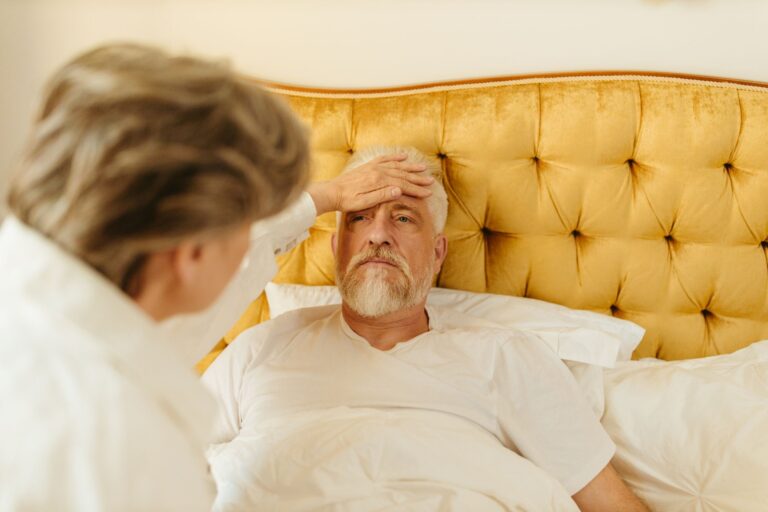
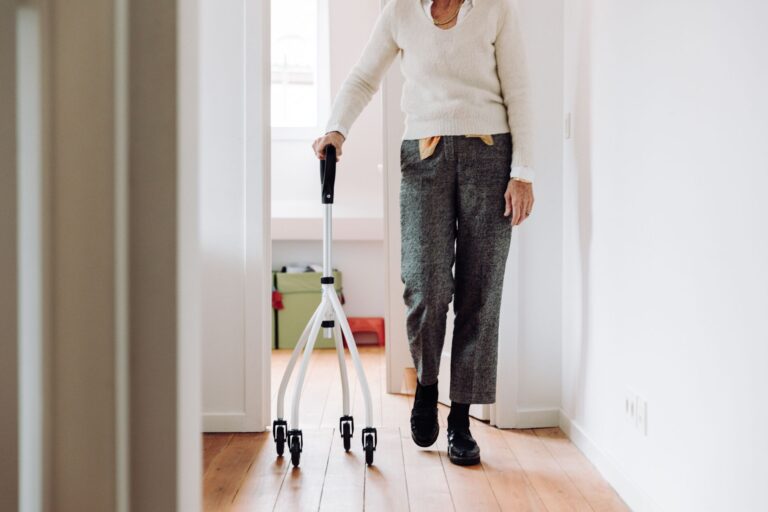
Yes, home attendant care is different from nursing-home care under Medicaid. Home attendant care means paid daily-task help at home, while nursing-home care means care in a licensed facility with staff onsite around the clock. The difference matters for families facing dementia.
Staying home can protect routine, familiar faces, and sleep patterns. Moving to a facility brings constant supervision and nursing coverage. Medicaid treats those two paths under very different rules.
Medical information disclaimer: This article is for general educational purposes only and does not provide medical advice, diagnosis, or treatment. Always consult a physician or other qualified health professional about symptoms, medications, tests, or treatment decisions.
Official resources:
- Read the official guidance from Ecfr — Use this primary source to verify the official guidance.
- Read the original report from Justiceinaging — Use this primary source to review the complete report.
Table of Contents
- Where care happens
- What daily help looks like
- Who qualifies for each path
- //www.macpac.gov/subtopic/home-and-community-based-services/).
Where care happens
Justice in Aging reports home attendant care happens at home or in the community. Nursing-home care happens in a licensed facility with round-the-clock onsite staff, as detailed in its primer on home and community-based services for older adults. At home, the same kitchen, chair, and hallway support memory.
An attendant visits for set hours or works as part of a home plan. In a nursing home, meals, medication, and night checks happen onsite. Families trading home flexibility for constant coverage should weigh that trade.
What daily help looks like
Federal Community First Choice rules define attendant help broadly. Covered tasks include eating, toileting, grooming, dressing, bathing, and transferring. Covered tasks include meal preparation, finances, shopping, chores, communication, community travel, and delegated health tasks, according to the federal Community First Choice standards. Hands-on help, supervision, and cueing all count.
For dementia, cueing can mean a prompt to eat, drink, change clothes, or take a safe step. Supervision can mean staying nearby during cooking or a walk. That prompt-based help differs from nursing tasks done fully by staff. KFF describes nursing-facility level of care as generally needing 24-hour services. It often involves help with bathing, dressing, eating, toileting, continence, and bed transfers.
Who qualifies for each path
Federal law requires states to cover nursing-facility services for eligible adults, but generally leaves home and community services optional. Justice in Aging and MACPAC describe this gap as a longstanding bias toward institutional care. For dementia families, a nursing-home bed is covered when criteria are met, while home help depends on state choices.
Justice in Aging notes many home-care pathways require meeting nursing-facility level of care. Assessment must show the person would otherwise need institutional care. Some state-plan personal-care programs require only medical need. A dementia diagnosis alone does not settle which test applies.
//www.macpac.gov/subtopic/home-and-community-based-services/).
KFF's 2025 survey of states finds covered attendant services and access vary by state. Older adults who prefer to remain home must check state options, criteria, and slot availability, per KFF's 2025 survey of Medicaid home care. Ask three checks before choosing a path.
Bring a medication list and a note about daily supervision needs. Write down the program name, contact, and list status. Re-check after any hospital stay or decline, because eligibility and openings can change.
- Does our state cover the attendant hours and tasks needed for dementia supervision
- Does the program require nursing-facility level of care or only medical need
- Is enrollment capped, and is there a waiting list right now