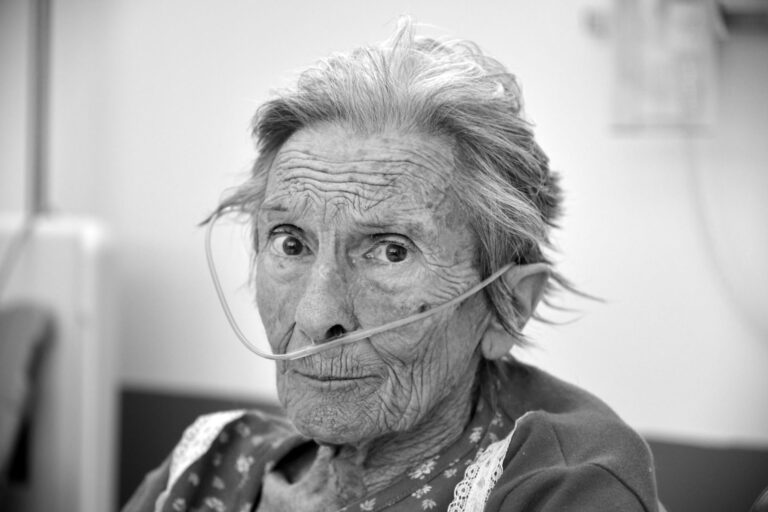
The 2026 NIA dementia care report offers adult children no single ready-to-use drug treatment or care model to adopt now. It instead maps research gaps and priorities that must shape better future care. An implementation-ready intervention means a non-drug program proven inside real clinics and home care. For sons and daughters coordinating visits, medications, and safety, that standard explains why doctors still tailor plans case by case.
Medical information disclaimer: This article is for general educational purposes only and does not provide medical advice, diagnosis, or treatment. Always consult a physician or other qualified health professional about symptoms, medications, tests, or treatment decisions.
Table of Contents
- What the report gives families right now
- Why proven home programs are still scarce
- How caregiving affects adult-child health
- What midlife risk signs mean for sons and daughters
- What to ask the care team this month
What the report gives families right now
The ComForCare summary of the NIA report states the report recommends no single drug treatment or single care model ComForCare summary. It defines research gaps and priorities for future dementia care. The HHS ASPE NAPA Council April 2026 summary says NIA hosted the virtual summit on March 17-19, 2026 to review progress and name unmet needs. The Alzheimer's Association 2026 Facts and Figures puts clinical Alzheimer's dementia at 7.4 million Americans age 65 and older in 2026, about 1 in 9 older adults Alzheimer's Association 2026 Facts and Figures.
The NIA-funded U.S. Cost of Dementia Project, reported by the USC Schaeffer Center, estimates 2026 U.S. costs at $818 billion. That price tag reaches adult-child households through lost work time, paid help, and travel.
Why proven home programs are still scarce
The NIA IMPACT Collaboratory 2026 Pilot and Demonstration programs fund embedded pragmatic trials of non-drug supports inside health systems. A pragmatic trial tests a program during routine care, not in a separate lab clinic. That design fits adult children well because help must work around jobs, siblings, and home aides.
Yet funded trials mean answers are still forming, not clinic-ready toolkits you can request by name. The NIA-backed GAPcareAD fall-risk program for 700 community-dwelling adults 65 and older plus care partners runs through 2031, per the ClinicalTrials.gov record NCT07563270. Families should treat it as a study to watch, not a service to order today.
How caregiving affects adult-child health
Georgetown University reports a new NIA R01 will follow people with dementia and primary caregivers, including spouses and adult children, alongside comparison pairs Georgetown announcement. Researchers aim to predict caregiver health decline and adverse outcomes.
Spouses often share a home and daily tasks. Adult children often manage from a distance while working and raising children, which creates different sleep, stress, and financial strains. Track three signals between visits and bring notes to your own primary-care visit:.
- sleep hours, daytime fatigue, and missed work shifts
- blood pressure, mood changes, and new anxiety or sadness
- backup coverage if you get sick or must travel
What midlife risk signs mean for sons and daughters
National Institutes of Health researchers reporting CARDIA findings found blood amyloid-beta and tau levels linked to thinking skills in adults in their 50s and 60s, published May 30, 2026 in Lancet NIH Research Matters report. For adult children in midlife, the link connects blood markers to current cognition, not to a future diagnosis.
Blood markers do not prescribe treatment on their own. Bring family history to your primary-care visit and ask about blood pressure, hearing, sleep, exercise, and diabetes control. Keep contact lists, medication lists, and legal permissions current so a crisis does not stall decisions.
What to ask the care team this month
Ask which home safety, respite, training, or palliative supports your health system already offers. Ask who answers after hours and what triggers an emergency visit.
Bring one page with diagnoses, drugs, allergies, fall history, and two backup contacts. Update it after every hospitalization or medication change.
You Might Also Like
- Why the AAIC 2026 Soccer Study Does Not Prove Dementia: What Researchers Still Need to Learn for Adult Children
- LiBBY Trial Findings for Late-Stage Dementia Agitation in 2026: What Researchers Still Need to Learn for Adult Children
- Repetitive Heading and Brain Health Findings at AAIC 2026: What Researchers Still Need to Learn for Adult Children