Wine tasters train their brains to remember scents for years through a combination of intense sensory exposure, focused attention, memory reinforcement, and cognitive association. This process involves developing a highly specialized neural network that integrates smell, taste, and memory, allowing experts to recognize, categorize, and recall complex aromas with remarkable precision over long periods.
At the core of this training is repeated and deliberate smelling of diverse wine aromas. Wine contains hundreds of chemical compounds that produce a vast array of scents, from fruity and floral to earthy and spicy. By consistently exposing themselves to these scents, tasters stimulate the olfactory receptors in the nose and the chemoreceptors in the mouth, which send signals to the brain’s primary olfactory and gustatory areas. Over time, this repeated stimulation strengthens the neural pathways involved in scent detection and discrimination, much like how practicing a musical instrument strengthens the brain circuits for sound recognition.
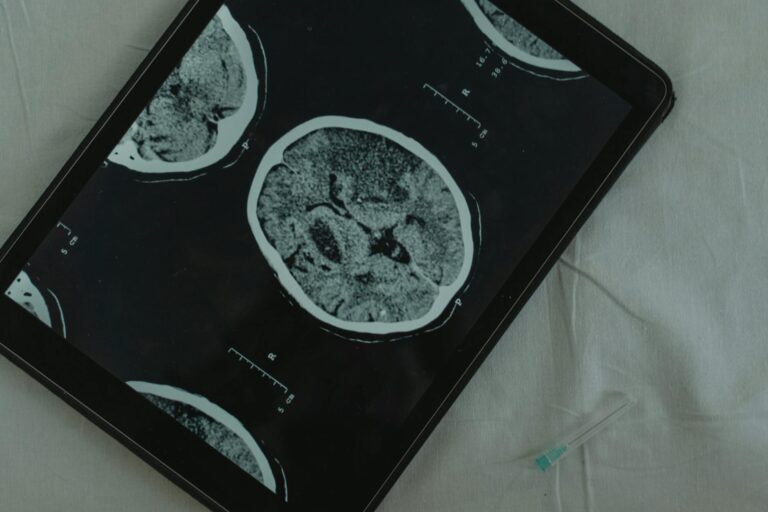
Beyond mere exposure, wine tasters engage in active sensory integration. The brain areas responsible for combining smell, taste, texture, and temperature—such as the anterior insula and orbitofrontal cortex—become finely tuned through training. These regions merge multiple sensory inputs into a unified experience, allowing tasters to perceive subtle nuances in flavor and aroma that novices might miss. Experts show enhanced connectivity between these brain regions, reflecting their ability to process complex sensory information more efficiently.
Memory plays a crucial role in scent retention. The anterior temporal lobe, which handles semantic memory and categorization, helps tasters link specific aromas to descriptive labels and past experiences. This semantic integration allows them to quickly identify and name scents, anchoring them in long-term memory. The hippocampus, essential for forming and retrieving memories, also supports this process by encoding the sensory experiences alongside contextual information such as the wine’s origin, grape variety, and vintage. This rich contextual embedding makes the scent memories more durable and accessible.
Wine tasters also use mental techniques to reinforce scent memory. They often practice “olfactory training,” which involves smelling and naming a set of standard aromas repeatedly to build a mental library of scents. This practice sharpens their “vinstinct”—an intuitive sense for wine characteristics—by creating strong mental associations between smells and their sources. Visualization and storytelling can further enhance memory by linking aromas to vivid images or narratives, making the scents more memorable.
Attention and mindfulness are key components of this training. Tasters learn to focus intensely on the sensory experience, minimizing distractions and engaging fully with the wine’s aroma and flavor. This heightened attention improves sensory encoding and helps prevent memory decay. Some experts recommend smelling wines in a quiet environment and using a consistent routine to strengthen the brain’s ability to capture and retain scent information.
The brain’s plasticity—the ability to reorganize and form new connections—underpins all these processes. With sustained practice, the neural circuits involved in olfaction and memory become more specialized and efficient. This neuroplasticity explains why experienced wine tasters can recall scents years later with remarkable clarity, even if they have not encountered a particular wine for a long time.
In essence, training the brain to remember wine scents is a multifaceted process that combines sensory repetition, cognitive integration, memory reinforcement, and focused attention. It transforms the raw chemical signals from wine into rich, structured mental representations that can be accessed and described with precision long after the initial tasting. This intricate interplay of brain functions is what allows wine experts to develop their extraordinary ability to remember and articulate the complex world of wine aromas over many years.