Water aerobics is a powerful and gentle form of exercise that can significantly alleviate knee stiffness and help combat cognitive decline, especially in older adults or those with joint issues. This activity takes place in water, usually a pool, where the buoyancy supports the body, reducing the weight and pressure on the knees and other joints. This reduction in joint stress allows people to move more freely and comfortably, which is often difficult with traditional land-based exercises due to pain or stiffness.
When you perform movements in water, the buoyant force can reduce the effective body weight by about 70%, which means the knees bear much less load than they would on land. This makes water aerobics ideal for people suffering from arthritis or knee stiffness because it allows them to exercise without exacerbating joint pain. The water’s warmth and resistance also help soothe stiff joints and tight muscles, promoting relaxation and increasing blood flow to affected areas. This combination of warmth and gentle resistance encourages improved joint mobility and flexibility, which can reduce stiffness over time.
Beyond just easing knee stiffness, water aerobics provides resistance that helps build muscle strength around the joints. Stronger muscles support the knees better, improving stability and reducing the risk of injury or further joint damage. Unlike high-impact exercises such as running or jumping, water aerobics offers a low-impact workout that still challenges the muscles and cardiovascular system, making it accessible for people of varying fitness levels and physical limitations.
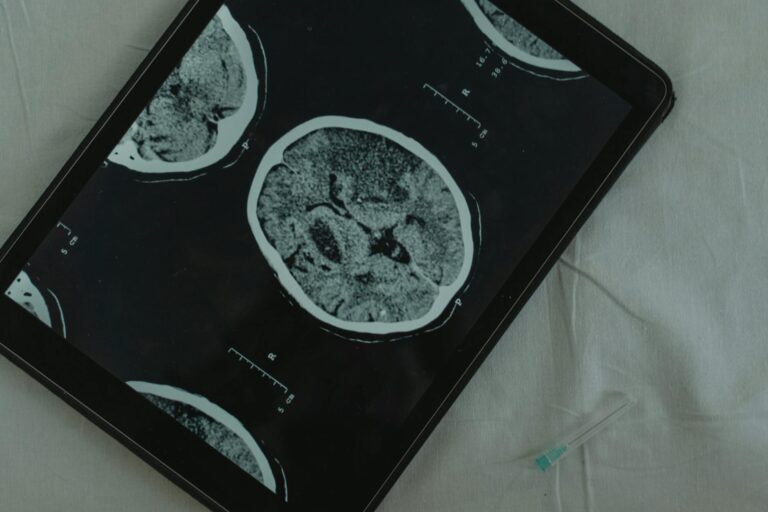
In addition to physical benefits, water aerobics has positive effects on cognitive health. Engaging in regular aerobic exercise, including water-based workouts, increases blood flow to the brain, which supports brain function and may slow cognitive decline. The rhythmic and coordinated movements required in water aerobics also stimulate neural pathways involved in motor control, balance, and coordination. This mental engagement, combined with the social interaction often found in group water aerobics classes, can enhance mood, reduce feelings of isolation, and improve overall mental well-being.
The sensory experience of being in water—feeling the resistance, the temperature, and the buoyancy—adds a unique dimension to exercise that can help maintain mental alertness and cognitive function. For seniors or individuals at risk of cognitive decline, this form of exercise offers a safe and enjoyable way to stay physically active while also keeping the brain engaged.
Water aerobics can be adapted to suit individual needs, making it a versatile option for people with different levels of knee stiffness or cognitive challenges. Whether it’s gentle stretching, walking in water, or more vigorous aerobic routines, the water environment supports movement and reduces the fear of falling, which is a common concern for those with joint pain or balance issues.
In summary, water aerobics combats knee stiffness by reducing joint load through buoyancy, providing warmth and resistance that soothe and strengthen joints, and promoting muscle development that supports knee stability. Simultaneously, it supports cognitive health by increasing brain blood flow, engaging motor and cognitive functions through coordinated movements, and offering social and sensory stimulation that benefits mental well-being. This combination makes water aerobics a uniquely effective exercise for maintaining both physical and cognitive health in individuals facing knee stiffness and cognitive decline.