Walking backwards is a surprisingly powerful and effective way to improve both your balance and mental sharpness. Unlike walking forward, which is a familiar and automatic movement, walking backward challenges your body and brain in unique ways that stimulate coordination, muscle engagement, and cognitive function.
When you walk backwards, your body has to rely on different sensory inputs and muscle groups to maintain stability. This is because your usual visual cues are limited—you can’t see where you’re going as easily—and your brain must work harder to process spatial awareness and foot placement. This increased demand on your nervous system enhances your balance by training your body to adapt to new movement patterns and maintain equilibrium under less predictable conditions.
Physiologically, walking backward activates muscles that are less engaged during forward walking. Your calves, hamstrings, quadriceps, and muscles around your knees and hips work differently, often more intensely, to control each step. This not only strengthens these muscles but also improves joint stability, which is crucial for preventing falls and injuries. The deliberate, shorter steps taken when walking backward require precise control, which further enhances coordination and muscle responsiveness.
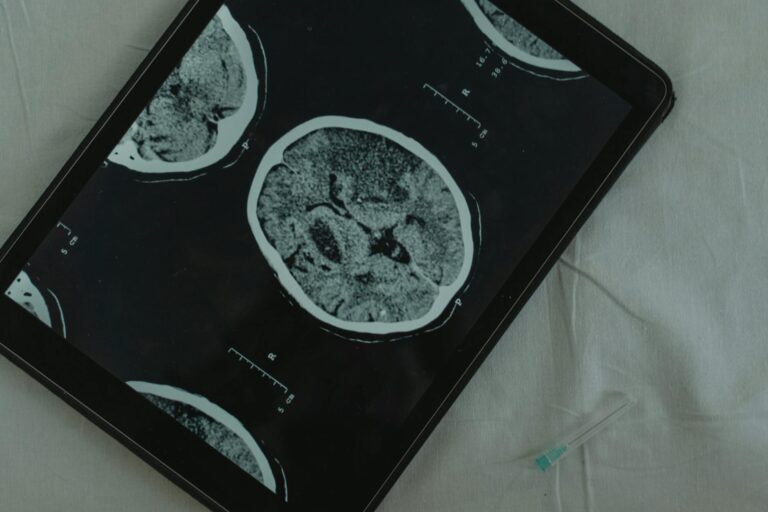
Mentally, walking backward stimulates the brain’s problem-solving and executive function areas, particularly the prefrontal cortex. This part of the brain is responsible for decision-making, memory, and cognitive flexibility. Because backward walking is unfamiliar and requires constant attention, it increases brain activity and helps sharpen mental faculties. Studies have shown that even brief sessions of walking backward can improve memory and cognitive performance, likely due to this heightened neural engagement.
Incorporating backward walking into your routine also burns more calories than walking forward at the same pace, making it a more efficient exercise. The increased energy expenditure comes from the greater muscle activation and the extra effort your brain and body put into maintaining balance and coordination.
For people recovering from injuries or dealing with conditions like arthritis, backward walking can be particularly beneficial. It reduces pressure on the knees by altering the way forces are distributed during movement, helping to protect vulnerable joints while still providing a strengthening workout. It also encourages better posture by engaging muscles along the back and opening the chest, which can alleviate discomfort from prolonged sitting or poor alignment.
The key to gaining these benefits is to practice backward walking safely and gradually. Start in a clear, obstacle-free area and take slow, deliberate steps to build confidence and control. Over time, as your balance and coordination improve, you can increase the duration and complexity of your backward walking sessions.
By regularly challenging your body with backward walking, you introduce variety into your exercise routine, which is essential for maintaining and improving balance. Repeating the same forward movements can lead to a plateau or even decline in balance ability because your body becomes too accustomed to predictable patterns. Walking backward keeps your muscles and brain engaged in new ways, promoting ongoing improvement in stability and mental sharpness.
In essence, walking backward is a simple yet powerful practice that enhances your physical balance by strengthening underused muscles and improving joint stability, while simultaneously boosting your brain’s cognitive functions through increased neural activity and problem-solving demands. This combination makes it an excellent addition to any fitness or rehabilitation program, supporting both body and mind in a holistic way.