Walking backwards is a surprisingly powerful way to improve both your balance and mental sharpness. Unlike walking forward, which is a highly familiar and automatic movement, moving in reverse challenges your body and brain in new ways that stimulate coordination, muscle engagement, and cognitive function.
When you walk backwards, your body has to rely on different sensory inputs because you cannot see where you are going as easily. This forces your brain to work harder to process information from your inner ear (vestibular system), muscles, joints, and skin receptors all at once. The result is enhanced balance as these systems become more finely tuned through practice. Your muscles around the ankles, knees, hips, calves, hamstrings, and quads activate differently compared to forward walking — often engaging more stabilizing fibers that don’t get used as much otherwise. This strengthens those muscle groups while also reducing strain on vulnerable joints like the knees by distributing pressure more evenly.
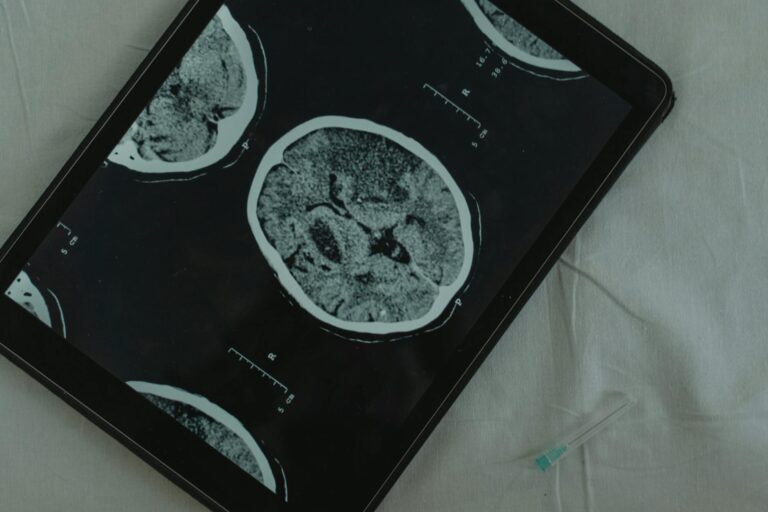
Mentally speaking, backward walking activates parts of the brain involved in problem-solving and spatial awareness because each step requires deliberate attention for safe foot placement. Studies have shown that even brief sessions of retro walking can boost executive functions such as memory recall and cognitive flexibility by stimulating the prefrontal cortex — an area responsible for decision-making and complex thinking processes. The novelty of this movement keeps the brain alert; it’s like giving it a workout alongside your body.
Physiologically speaking too backward walking burns more calories than forward walking at the same pace due to increased muscular effort needed for controlled steps. It also improves cardiovascular endurance over time since it demands greater exertion from heart and lungs.
Incorporating backward walking into daily routines can be simple: start with short distances on flat surfaces where safety is ensured before progressing gradually in duration or terrain difficulty (like gentle slopes). Because this form of exercise challenges balance so effectively without requiring special equipment or intense impact movements—it’s especially beneficial for older adults aiming to reduce fall risk or people recovering from injuries who want low-impact strengthening exercises.
The benefits extend beyond physical fitness; many practitioners report improved posture since backward stepping encourages upright alignment by strengthening back muscles while opening up chest areas often compressed during sedentary activities like sitting at desks all day.
Overall:
– Walking backwards engages underused leg muscles differently than forward motion.
– It enhances sensory integration critical for maintaining stability.
– It stimulates higher-level brain functions related to memory & focus.
– It burns more calories per minute than regular brisk walks.
– It protects joints by altering load patterns favorably.
– Regular practice retrains motor skills leading to better overall coordination.
– Helps prevent falls especially important with aging populations or rehabilitation phases after injury.
Because it feels unusual initially—some may find their balance wobbly—the key lies in consistent practice combined with mindfulness about foot placement until neuromuscular pathways adapt fully making this once awkward activity feel natural again while delivering profound health dividends physically & mentally alike.