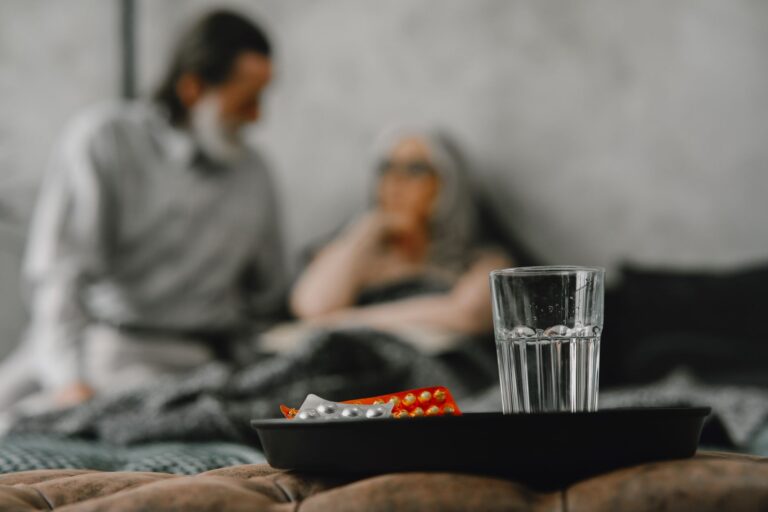
Track shadowing before a dementia evaluation by keeping a dated 1–2 week log of frequency, timing, sleep, meals, light and noise, triggers, and tried calming tasks. Bring that log plus full medication lists and a knowledgeable informant to make the visit concrete. Shadowing in dementia means the person persistently follows, imitates, or interrupts the primary caregiver. It often worsens in late afternoon and evening alongside sundowning confusion and restlessness, according to the Family Caregiver Alliance guide to dementia behaviors.
Medical information disclaimer: This article is for general educational purposes only and does not provide medical advice, diagnosis, or treatment. Always consult a physician or other qualified health professional about symptoms, medications, tests, or treatment decisions.
Table of Contents
- What counts as shadowing?
- What should each log entry capture?
- Which triggers and routines should you add?
- How will the clinic use your notes?
- When is shadowing urgent rather than routine?
What counts as shadowing?
Shadowing looks like staying inches away, copying gestures, asking repeated questions, or interrupting chores and phone calls. Note whether it happens at set hours or after specific changes, such as visitors leaving or rooms darkening.
About 1 in 5 people with Alzheimer's experience sundowning, with late-day symptoms that can include shadowing, agitation, anxiety, disorientation, hallucinations, paranoia, and wandering. That link, described in 12 Oaks Senior Living's summary of Alzheimer's Association information, helps explain why evenings feel hardest.
What should each log entry capture?
The Alzheimer's Association advises caregivers to record time of day, preceding events and triggers, exact behavior, and what soothed the person, in its sundowning fact sheet. Episodes often repeat in a pattern, so consistent entries matter more than long narratives. For each episode, write:.
- date, start time, length, and place in the house
- what happened just before, including noise, light, hunger, pain, fatigue, or separation
- exact actions and words, plus what you tried and what helped
Which triggers and routines should you add?
Add sleep hours, naps, meals, fluids, bathroom visits, and activity level. Also note light levels, background noise, boredom, schedule changes, and your own fatigue, since stress can carry over.
Clinicians link shadowing and sundowning to anxiety and insecurity, exhaustion, low light, hunger, pain, boredom, disrupted circadian rhythm, and caregiver stress. Tracking those factors shows whether late-day hunger, dim rooms, skipped rest, or a rushed routine precede following.
How will the clinic use your notes?
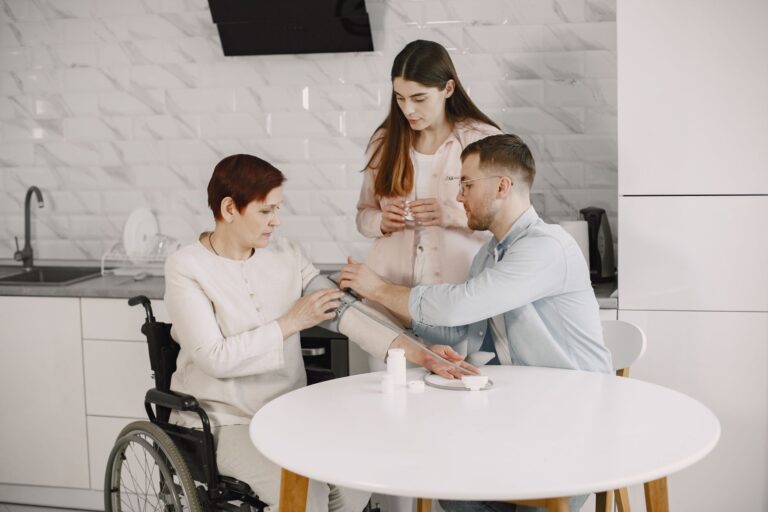
For an Alzheimer's evaluation, doctors question both the patient and a family member or friend about medicines, diet, prior conditions, daily activities, and behavior or personality changes, plus cognitive testing, according to the National Institute on Aging guide to Alzheimer's diagnosis. Your dated examples give that informant history weight.
Doctors first rule out treatable causes with a physical exam and vital signs plus blood and other laboratory tests of chemicals, hormones, and vitamins, with review of medical and family history. Bring prescription and over-the-counter medicines, supplements, doses, recent changes, allergies, sleep and appetite shifts, falls, fever, and urinary symptoms.
When is shadowing urgent rather than routine?
A shadowing log alone cannot diagnose dementia. Sudden new confusion or agitation can reflect urinary infection, dehydration, medication change, pain, or depression and needs prompt medical review.
Call sooner if following starts abruptly, spikes sharply, includes fever, vomiting, reduced fluids, new incontinence, a fall, head injury, chest pain, shortness of breath, or a new drug or dose. Bring the log even to an urgent visit, with the most recent 48 hours on top.