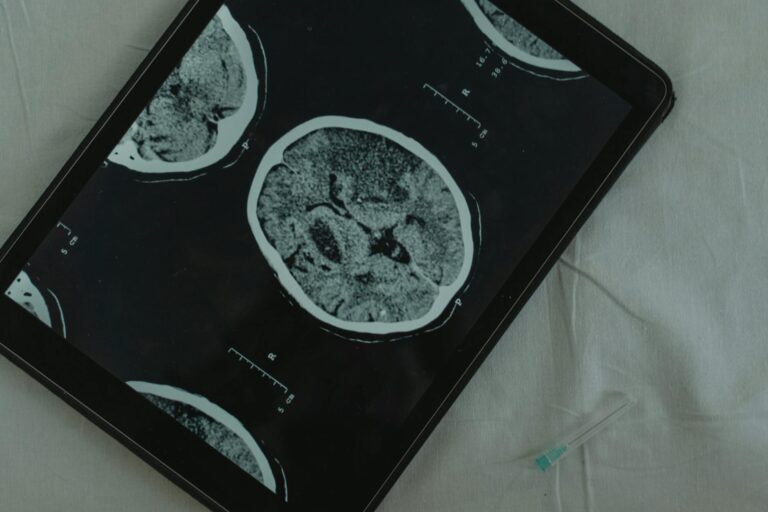
Supporting healthy brain aging is a multifaceted process that involves a combination of lifestyle choices and habits. It’s essential to focus on several key areas to ensure your brain remains active, responsive, and quick throughout your life.
First, **physical exercise** plays a crucial role in maintaining brain health. Regular physical activity can improve memory, reduce anxiety and depression, and enhance cognitive function. It also increases brain volume and improves the integrity of white matter, which is vital for communication between brain cells. Activities like walking, dancing, or even light stretching can be beneficial.
Another vital aspect is **sleep**. Adequate sleep is essential for brain health as it allows the brain to clear toxins and strengthen connections between neurons. Poor sleep hygiene can lead to cognitive decline, difficulty concentrating, and impaired judgment. Aim for 7 to 8 hours of sleep each night and establish a calming bedtime routine to improve sleep quality.
**Social connections** are also crucial for brain health. Maintaining healthy relationships with family and friends can build cognitive reserve, reduce the risk of dementia, and improve overall cognitive function. Engaging in social activities, volunteering, or joining community groups can help prevent loneliness and boost emotional well-being.
Staying **mentally active** is another important strategy. Engage in activities that challenge your brain, such as reading, puzzles, crosswords, or learning a new skill. These activities help keep your brain flexible and engaged, which can prevent cognitive decline.
A **balanced diet** is essential for both brain and heart health. Focus on consuming a variety of fruits, vegetables, whole grains, lean proteins, and healthy fats like olive oil and nuts. Limit added sugars and processed foods to support optimal brain function.
Finally, **managing health conditions** and protecting your head from injuries are also vital. Regular health check-ups and managing conditions like high blood pressure and diabetes can significantly impact brain health. Additionally, taking precautions to avoid head injuries, such as wearing helmets and removing tripping hazards, can help preserve brain function over time.
By incorporating these habits into your daily life, you can support healthy brain aging and maintain cognitive function as you grow older.