Reduce frustration by treating a memory box as a conversation aid, not a memory test. A memory box—a collection of meaningful photos and items—should invite interest without requiring correct names, dates, or stories. The goal is not to finish every item or produce a complete memory. A calm exchange, a pleasant feeling, or a decision to stop can all be worthwhile outcomes.
Medical information disclaimer: This article is for general educational purposes only and does not provide medical advice, diagnosis, or treatment. Always consult a physician or other qualified health professional about symptoms, medications, tests, or treatment decisions.
Table of Contents
- Remove the pressure to remember
- Make the activity fit the person
- Slow down the conversation
- Treat agitation as information
- Keep expectations modest
Remove the pressure to remember
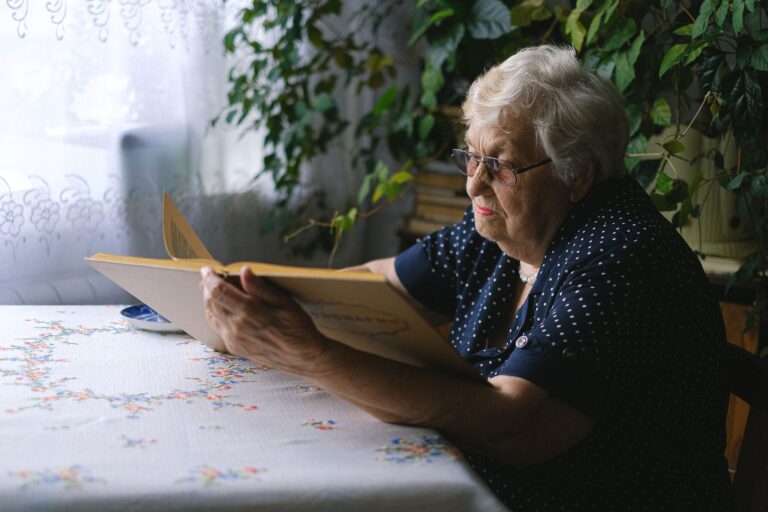
Add short labels to photographs so the person can consult the information instead of being tested. For example: "Maria — your daughter" or "The family home in Leeds." The Alzheimer's Society guidance on memory loss recommends combining photos with brief explanations of each person and relationship.
Avoid questions such as "Do you remember this?" or "Who is that?" Failure to answer may cause distress. The Alzheimer's Society Activities Handbook suggests open prompts such as "Tell me more," which move attention from factual recall to conversation and feelings. If an open prompt is too difficult, offer a simple choice: "Would you like to look at this one or another one?" You can also read a label aloud rather than asking the person to supply the missing information.
Make the activity fit the person
Choose contents that reflect the person's interests, culture, abilities, and present mood. An item that once encouraged conversation may not work every day, and the activity may need adapting as dementia progresses.
Reduce the number of decisions and keep each step straightforward: Work with the person instead of taking over. Protecting confidence matters more than producing an orderly display or completing a planned task.
- Offer two or three items rather than the entire box.
- Begin when the person is usually most alert.
- Invite them to choose, hold, or arrange an item when they can.
- Introduce one step at a time.
- Put the box away if the person does not want to participate.
Slow down the conversation
Get the person's attention gently, use their name, make eye contact, and speak warmly. Ask one simple question, then allow extra time for an answer. The National Institute on Aging's communication guidance also recommends rephrasing and using simple yes-or-no questions when needed.
A practical sequence might be: show one labeled photo, read the label, and pause. If the person struggles to respond, rephrase the prompt or ask, "Would you like to keep looking?" Do not fill every silence with another question. Follow the person's pace. Spending time with one item may be more manageable than moving quickly through several photographs or objects.
Treat agitation as information
Watch for fidgeting, avoiding eye contact, or irritability. These signs mean it is time to pause, stop, or switch activities; finishing the memory box is less important than responding to distress.
The National Institute on Aging notes that agitation can reflect pain, stress, fatigue, constipation, excessive noise, confusion, or pressure to remember something difficult or impossible. The box may coincide with the reaction without being its only cause. When distress appears:.
- Close or move the box out of view.
- Reduce noise and demands.
- Allow time without further recall questions.
- Consider whether the person seems tired, uncomfortable, or confused.
- Try a different activity only if they appear willing.
Keep expectations modest
Memory boxes may support conversation, but they are not guaranteed to improve wellbeing. A 2018 Cochrane review of 22 trials involving 1,972 people found no important overall immediate quality-of-life benefit from reminiscence therapy compared with no treatment, although results varied by setting. NICE recommends tailored wellbeing activities for people with dementia and says clinicians may consider group reminiscence therapy for mild-to-moderate dementia.
That makes reminiscence an option for selected people, not a required activity for every person or stage. Judge a memory-box session by the person's response in that moment. If they become tense, disengaged, or irritated, stop—even if the box helped on another day.