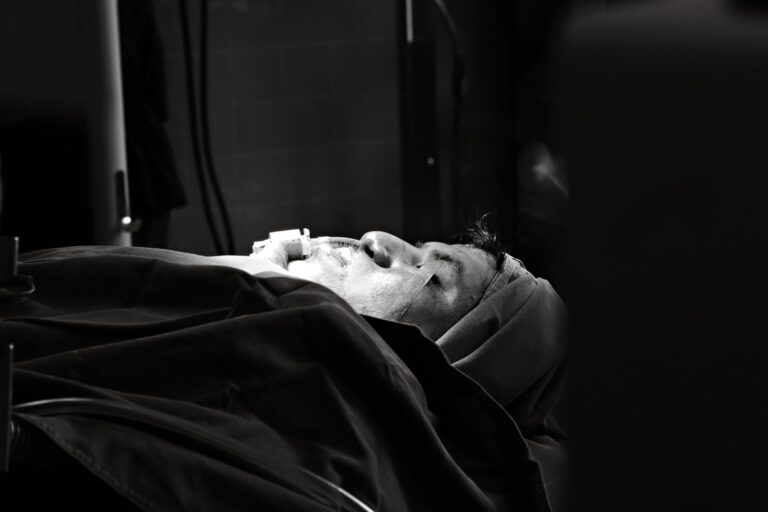
Planning extra help after surgery for someone with dementia requires starting weeks before the procedure—not days. The cognitive impairment makes post-operative recovery fundamentally different: your loved one may not remember they had surgery, may resist care from unfamiliar people, may become agitated from pain they can’t articulate, and may not follow medical restrictions. Begin by scheduling a pre-surgery meeting with their surgical team to discuss dementia-specific risks, arrange for additional in-home support or temporary placement, and create a detailed care plan that accounts for confusion and behavioral changes.
Unlike post-op planning for cognitively intact patients, you’ll need to coordinate medical oversight with behavioral management. Someone with dementia recovering from hip replacement surgery, for example, might physically heal normally but become combative during dressing changes or pull at their incision. They won’t understand why they can’t go for a walk, why they need to take new medications, or why their routine has changed. This requires planning that goes far beyond arranging a nurse visit twice a week.
Table of Contents
- Why Dementia Changes Post-Surgery Recovery Planning
- Arranging Professional Medical Support Before Surgery
- Preparing Your Home and Setting Up Daily Supervision
- Creating a Detailed Medical Handoff and Communication Plan
- Preparing for Delirium and Behavioral Changes
- Managing Medications and Pain Without Clear Communication
- Planning Financial and Insurance Coverage for Extra Care
- Frequently Asked Questions
Why Dementia Changes Post-Surgery Recovery Planning
dementia adds layers of complexity because anesthesia often worsens confusion temporarily, and the trauma of surgery can trigger what’s called delirium—a state of severe disorientation that can last days or weeks. Your loved one’s existing memory loss becomes compounded by the disorientation of waking up in pain with no clear memory of why. A person with mid-stage Alzheimer’s who had relatively stable confusion before surgery may become completely unrecognizable afterward, unable to recognize family members or communicate basic needs.
Additionally, people with dementia are at higher risk for post-operative complications because they can’t report subtle symptoms clearly. A urinary tract infection, early pneumonia, or medication side effects might manifest only as increased agitation or refusal to eat—signs that get misinterpreted as typical dementia worsening rather than medical emergencies. This means post-surgery monitoring needs to be more frequent and more attuned to behavioral changes than standard post-op care.
Arranging Professional Medical Support Before Surgery
Contact the surgical center at least four weeks ahead to inform them your loved one has dementia and discuss what accommodations they offer. Some hospitals have geriatric or dementia-specialty protocols; others do not. ask specifically: Can a family member or caregiver stay in the recovery room? Will anesthesia be adjusted for cognitive impairment? Are there notes in the chart warning nursing staff about communication needs? A warning—many facilities will tell you they handle dementia patients routinely, but routine often means “we’re used to difficult patients,” not “we have specific dementia protocols.” Arrange for a geriatrician or the primary care doctor to coordinate post-discharge care if possible.
The surgical team focuses on the incision and mobility; the primary care doctor needs to watch for systemic issues like infection or medication interactions. Some people schedule a nurse visit within 48 hours of discharge specifically to assess for delirium and confirm the surgical site is healing normally. If your loved one is on blood thinners, diabetes medication, or other chronic drugs, confirm which ones to resume and on what schedule—surgery can require temporary changes, and dementia means they won’t remember the new timing.
Preparing Your Home and Setting Up Daily Supervision
post-surgery recovery at home requires either full-time in-home care (24/7 caregiver), temporary facility placement, or intensive family rotation covering most waking hours. “Some help” is not sufficient because your loved one cannot be left alone to manage pain, medications, mobility restrictions, or wound care. A person with dementia won’t remember they shouldn’t bear weight on a surgical leg, won’t understand why they can’t shower normally, and won’t apply wound ointment independently.
Make specific physical modifications: Remove obstacles in hallways and the bedroom, ensure the toilet and bathing area are accessible, position the bed near a bathroom, and set up a chair in a main room where supervision is easy. If your loved one is accustomed to wandering, consider temporary portable monitors or door alarms during the vulnerable recovery period. Stock supplies—incontinence pads, pain medication, extra bandages, hand sanitizer—in the recovery area so the caregiver isn’t running around searching for items.
Creating a Detailed Medical Handoff and Communication Plan
Write a one-page summary for whoever provides post-surgery care that includes: the surgery performed, date, what restrictions apply (no driving, limited activity, weight-bearing rules), medication names and exact timing, wound care instructions, and three specific behaviors that indicate something is wrong—not “seems confused” but “refuses all food when normally eats everything” or “becomes violent during dressing changes.” Include contact numbers for the surgeon, primary doctor, and pharmacy. Many families use a shared digital log where the daytime caregiver notes what was eaten, whether pain medication was given and at what time, any behavioral changes, and wound appearance.
The night caregiver or family member can review overnight changes. This prevents medication being given twice or missed doses being repeated, and it gives the doctor actual data points if complications develop. One significant limitation: a person with advanced dementia won’t report pain directly, so you must watch for behavioral signs—restlessness, aggression, refusing to move—rather than relying on them to say “it hurts.”.
Preparing for Delirium and Behavioral Changes
Expect delirium—confusion more severe than baseline dementia—during the first week or two post-op, and plan for it. The person may not sleep normally, may become paranoid or accusatory, may pull at bandages, or may become emotionally volatile. Delirium is not a permanent worsening of dementia; it’s a temporary acute state triggered by pain, medication, anesthesia residue, infection, or dehydration. Knowing this prevents panic, but it requires vigilance because you must confirm it truly is delirium and not a sign of infection or other complication.
A warning: sedating medications, while tempting to manage difficult behavior, can actually worsen delirium and delay recovery in older adults. Doctors increasingly avoid heavy sedation post-op for people with dementia. Instead, management focuses on reorienting your loved one frequently (“You had knee surgery yesterday; you’re in your home; I’m your daughter”), maintaining light and dark cycles for sleep, and ensuring they’re hydrated and not in pain. This requires more active engagement from caregivers than medication would, but it’s more effective for actual recovery.
Managing Medications and Pain Without Clear Communication
After surgery, your loved one will likely be prescribed pain medication, antibiotics, and possibly blood thinners or other drugs. If they have dementia, they almost certainly cannot self-manage pills. The caregiver must administer each dose at the right time and confirm it was swallowed—not just left on the bedside table.
Some people with dementia refuse medication post-op because they don’t understand why they need it or because the novelty of new pills causes suspicion. Prepare by asking the pharmacy whether pills can be crushed or mixed with applesauce if swallowing becomes difficult. Confirm what to do if a dose is refused—can it be given later, or is timing critical? Ask the doctor whether liquid formulations are available for any essential medications. Also arrange for the pharmacy to clearly label each dose with the time it should be given and the reason, since the caregiver needs to confidently explain to your loved one why they’re taking it.
Planning Financial and Insurance Coverage for Extra Care
Home care agencies typically charge $25–$35 per hour for a caregiver (lower in rural areas, higher in cities), and 24/7 coverage for two weeks can exceed $4,000. Medicare does not cover non-medical custodial care, though it may cover skilled nursing for wound care post-op. Many people underestimate the cost and end up either stopping care too early—when the person still needs supervision—or experiencing financial strain. Apply for coverage as early as possible; approval often takes weeks.
If temporary facility placement is more feasible than home care, research options before surgery. Rehabilitation facilities can provide skilled nursing, occupational therapy, and monitoring, though they vary widely in how well they handle dementia. Some do excellently; others are chaotic environments where confusion worsens. Visit in person and ask specifically how they handle agitation, medication refusal, and wandering behaviors. A person recovering from surgery in an unfamiliar facility while confused from anesthesia may deteriorate faster than they would at home with a trained caregiver.
Frequently Asked Questions
Can my loved one have surgery if they have dementia?
Yes, but the surgical team needs advance notice. Discuss risks of anesthesia, post-op delirium, and the patient’s ability to follow post-operative restrictions. Some surgeries are higher-risk than others, and sometimes delaying surgery to see if a condition improves is safer than operating immediately.
How long does post-operative confusion last after dementia?
Delirium typically peaks 2–3 days post-op and resolves over 1–3 weeks in most cases, though it can last longer if complications develop. The person may return to their baseline dementia level, not improve beyond it.
What if my loved one won’t take pain medication or follow restrictions?
This is common. Work with the surgeon and doctor to ensure pain is controlled—perhaps with lower doses or alternative medications. Understand that your loved one cannot reason through why restrictions matter; prevention of complications (falls, infection) depends entirely on caregiver supervision, not patient cooperation.
Should I hire a professional caregiver or rely on family?
If family can commit to consistent, experienced caregiving 24/7 for the recovery window, that works. Most families find professional care essential because family members need sleep and may not catch medical complications as quickly as trained staff.
Is it safer to send my loved one to a rehabilitation facility rather than recover at home?
Both approaches work, depending on the individual. Home recovery may be less disorienting for someone with moderate dementia, while a facility provides continuous professional monitoring. Visit facilities first and assess dementia-specific care quality.
What should I tell the surgical team about my loved one’s dementia?
Provide them with the dementia diagnosis, progression stage, current medications, known behavioral triggers, and how they communicate. Ask about geriatric anesthesia protocols, whether family can stay during recovery, and post-op delirium risk. Clear communication before surgery prevents dangerous surprises after.