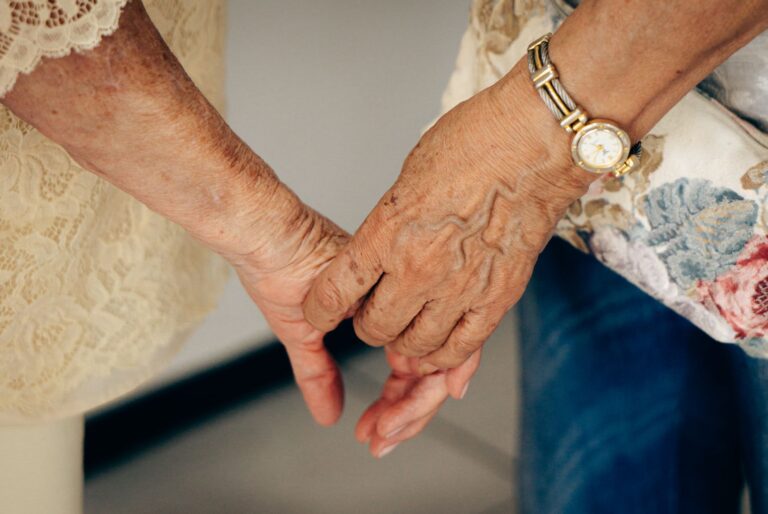
Explaining dementia needs to airline staff begins with three specific actions: telling the airline you’re booking with the DPNA (Disabled Passenger with Intellectual or Developmental Disability Needing Assistance) special service code, calling TSA Cares at 855-787-2227 at least three days before travel, and clearly informing gate agents about your companion’s specific dementia-related needs. These steps are protected under the Air Carrier Access Act (ACAA), the federal law that prohibits airline discrimination against passengers with disabilities and requires all carriers to provide accommodations. Airline staff respond well to clear, direct communication about dementia. When you explain that your companion may become confused or disoriented, needs extra time during boarding, or requires proximity to their caregiver, most airline employees are accommodating once they understand the situation.
The key is being specific about the individual’s needs rather than vague about the diagnosis. Your legal rights are substantial. Airlines cannot require advance notice of disability, cannot deny boarding to passengers with stable dementia, and must provide gate passes for caregivers to accompany passengers through airport environments. Understanding what to say, when to say it, and which federal programs protect you makes the entire process smoother.
Table of Contents
- What Federal Protections Guarantee When You Fly with Dementia
- How to Use TSA Cares to Prevent Security Screening Problems
- The DPNA Code and What Airline Booking Systems Actually Do With It
- Practical Communication Strategies That Reduce Confusion and Conflict
- Medical Documentation and Travel Insurance Complications with Dementia
- Using TSA’s Notification Card for Discreet Disability Disclosure
- Practical Travel Planning That Reduces Dementia-Related Agitation During Air Travel
What Federal Protections Guarantee When You Fly with Dementia
The Air Carrier Access Act is the federal baseline for all airlines operating flights to, from, or within the United States. Under ACAA regulations, airlines must accommodate passengers with disabilities without charging extra fees, cannot require advance medical clearance for stable conditions, and must treat passengers with equal respect and dignity. The Department of Transportation enforces these rules across all carriers. Secretary Buttigieg announced sweeping new protections in 2026 requiring airlines to meet rigorous standards for accommodating passengers with disabilities.
These include mandatory hands-on training for airline employees and contractors who physically assist passengers with disabilities, and enhanced assistance standards across all carriers. This means the staff members helping your companion are required to receive formal training on disability assistance—they are not making judgment calls based on appearance or assumptions. When you book a flight and notify the airline that your companion has dementia, you become eligible for specific accommodations: priority or delayed boarding (to minimize confusion in crowds), guaranteed seating with a companion, gate pass assistance so the caregiver can accompany the passenger through security or meet them at the arrival gate, and additional time and patience during all ground operations. Airlines cannot charge for these accommodations and cannot refuse them based on the type or visibility of the disability.
- —
How to Use TSA Cares to Prevent Security Screening Problems
TSA Cares is a free federal program designed specifically to ensure smooth security screening for travelers with disabilities, medical conditions, or special circumstances. The process is straightforward: call 855-787-2227 at least three days before your flight (you can also reach the program through telecommunications relay at 711). A TSA staff member will collect basic information about your travel date, time, and airport, and specific information about your companion’s dementia or related needs. On the day of travel, TSA staff will meet you at the security checkpoint and personally escort your companion through screening.
This prevents confusion, reduces agitation, and allows the passenger to go at their own pace rather than navigating the crowded, loud security area alone. The escort does not bypass security—your companion still goes through the full screening process, all metal detectors and bag checks still apply—but TSA staff provide an extra layer of support and communication that prevents the disorientation that can trigger behavioral changes. One limitation of TSA Cares is that it requires advance planning; you cannot use it if you are already at the airport. However, the three-day advance window gives most people sufficient time to arrange the call. If your companion experiences dementia-related anxiety or confusion in crowded environments, TSA Cares prevents the security checkpoint from becoming a flashpoint for that anxiety.
- —
The DPNA Code and What Airline Booking Systems Actually Do With It
When you book your flight, you must specifically request the DPNA special service code. This is not an automatic code that airlines assign based on visible disability; you must tell them. DPNA stands for “Disabled Passenger with Intellectual or Developmental Disability Needing Assistance,” and airlines use it internally to flag the passenger record so that all airline staff who interact with your party—gate agents, boarding staff, flight attendants, ground crew—are alerted that additional support may be needed. The DPNA code triggers a workflow on the airline’s system: the reservation is flagged for priority or delayed boarding based on your preference, the cabin crew is notified that a passenger on their flight has a disability requiring assistance, and the ground handling company is instructed to have staff available at the gate for boarding and deplaning.
Without the DPNA code, a passenger with non-visible dementia is just another passenger, and staff have no reason to expect they may need extra time or guidance. You must specifically request DPNA when booking, whether by phone, online, or through a travel agent. If you book online, there is usually a special needs or accessibility field in the booking flow. If you book by phone, tell the agent you need the DPNA code because your companion has dementia and will need additional assistance. Airlines cannot refuse to add DPNA codes to reservations when you request them.
- —
Practical Communication Strategies That Reduce Confusion and Conflict
Research-backed communication approaches for explaining dementia to airline staff emphasize the “FOCUSED” framework: be face-to-face and direct, orient to the topic, use concrete language, unstick communication blocks, structure interactions with simple yes/no questions, exchange conversation (listen as well as speak), and use direct, short, simple sentences. When you arrive at the airport, locate the gate agent or customer service representative and explain your situation clearly and concisely: “My companion has dementia. They may become confused or disoriented, especially in crowded environments. They will need extra time during boarding and will need to stay close to me.
We booked using the DPNA code, and I’ve already called TSA Cares. Here’s a summary of what works best for them.” If possible, provide a written one-paragraph summary of the individual’s specific needs and behaviors related to their dementia—for example, “They may repeat questions” or “They become anxious in loud spaces” or “They need frequent reminders about where we are and why.” A caregiver traveling with someone with dementia should also not hesitate to request assistance from airline staff at any point. Saying, “Could you help us to the gate?” or “My companion is confused about which way to walk” signals to staff that they should provide physical proximity and additional support. Most airline staff are trained and willing to provide this assistance when the need is clearly expressed. The risk occurs when staff don’t know a need exists, not when they know it and choose to ignore it.
- —
Medical Documentation and Travel Insurance Complications with Dementia
Most airlines do not require a medical “fit-to-fly” certificate for passengers with stable, managed dementia. If your companion’s condition is steady and they are currently managing it with their regular medications and routine, travel is typically permitted without advance medical clearance from a physician. However, you should always verify this with your specific airline before booking because policies vary by carrier. If your airline does require medical clearance, the certificate must be issued no earlier than 10 days before flight departure and is valid for the return flight for up to one month (unless the passenger experiences medical changes during the trip). When you request a medical certificate from your companion’s physician, you will need to provide the airline’s form or contact the airline to learn what information the doctor must include.
The more significant complication is travel insurance. Dementia is classified as a pre-existing condition, and you must disclose it to your travel insurance company as soon as you purchase the policy—not when you file a claim. Failing to disclose dementia when purchasing travel insurance is grounds for claim denial if you need to use the insurance. Some travel insurance plans exclude dementia entirely, while others will cover it only if disclosed at purchase. You should call your insurer before booking to understand what is and is not covered.
- —
Using TSA’s Notification Card for Discreet Disability Disclosure
The TSA Notification Card is an official, wallet-sized card that allows travelers to discreetly inform TSA officers about medical conditions, devices, or medications that may affect security screening without making a public announcement or explaining details to everyone nearby. You can download the card as a PDF from https://www.tsa.gov/sites/default/files/disability_notification_card_508.pdf, print it, and carry it with you to security. The card is particularly useful if your companion has dementia and anxiety about security screening.
Instead of the passenger or caregiver needing to verbally explain the situation to a TSA officer in front of other travelers, you can hand over the card, which states “I have a disability and may need additional assistance” without specifying the condition. The TSA officer will then ask clarifying questions in a private setting. This approach reduces embarrassment and confusion. The card does not bypass security screening—your companion still goes through the full process—but it provides a low-stress way to request appropriate accommodations.
- —
Practical Travel Planning That Reduces Dementia-Related Agitation During Air Travel
Experienced caregivers who travel with people with dementia consistently recommend booking direct flights whenever possible. Connections introduce additional points of confusion and disorientation: exiting one plane, navigating an airport terminal, finding the gate for the next flight, and boarding another plane. Each transition increases anxiety and the risk of behavioral changes. Even a one-hour layover can be destabilizing for someone with dementia.
Booking flights at less busy times of day, requesting seats in the front of the cabin with extra space and fewer crowds nearby, and keeping travel time as short as possible are all evidence-based strategies. One case documented in dementia travel research involved a passenger becoming disoriented upon exiting a bathroom with two doors, creating anxiety; another involved confusion about whether they had already flown and attempting to exit to a parking lot. These incidents demonstrate why front-row seating away from the main cabin bustle and proximity to staff reduce the likelihood of such events. Maintaining normal routines—trying to eat and sleep at times similar to home, using consistent medications, and keeping daily rhythms stable—also significantly reduces agitation during travel. Research participants who traveled with dementia consistently emphasized that being treated with empathy and compassion by staff was key to less stressful airport experiences.
- —