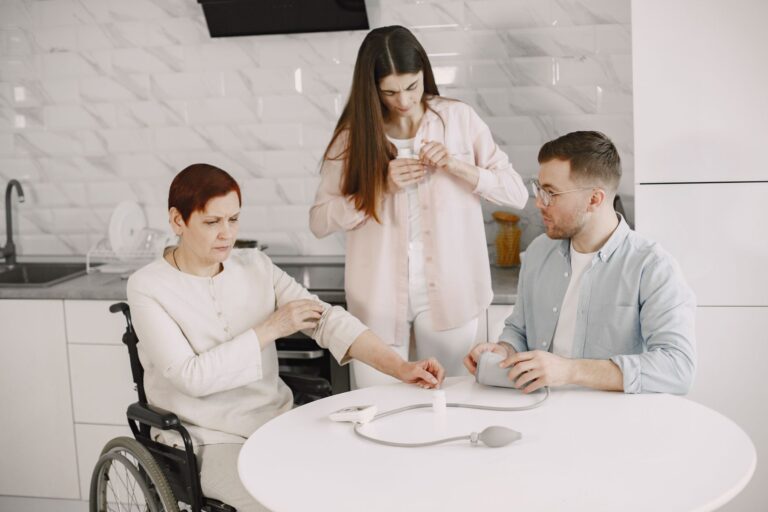
Building support before early-onset dementia progresses means starting these conversations and connections now, while you can still communicate clearly what you need and want. This isn’t about accepting decline—it’s about creating a practical framework so that when cognitive changes do accelerate, you’re not improvising care decisions in crisis mode. For example, if you’re diagnosed at 58 with mild cognitive impairment that may progress to dementia, spending the next year identifying a trusted family member to coordinate medical appointments, establishing regular check-ins with your neurologist, and having a frank conversation with your employer about what flexibility you might need in two years is infinitely easier than waiting until you can’t remember why you missed a dose of medication. Early support looks different from late-stage caregiving. It’s not about moving in a caregiver or moving yourself to a facility. It’s about preventing isolation, ensuring someone knows your medical history well enough to advocate for you, and reducing the friction that makes small problems become big crises.
People diagnosed with early-onset dementia often report that the first year or two after diagnosis—when they can still drive, work part-time, and participate in their own care decisions—is the hardest psychologically. Having a structured support system in place actually makes this transition period more manageable, not less. The difference between building support proactively and scrambling to build it after a hospitalization or major cognitive drop is significant. One person diagnosed at 56 spent six months setting up weekly phone calls with her sister, a meeting with her employer’s HR department, and a legal consultation about powers of attorney. When her memory decline accelerated two years later, those relationships and documents were already in place. Her sister knew her medications, her employer had already prepared for her transition to part-time work, and her financial decisions had already been delegated. Compare that to someone whose family only mobilizes after an accident or ER visit—they’re building the entire support structure under stress and time pressure.
Table of Contents
- Why Starting Early Prevents Crisis-Driven Decisions Later
- Building a Coordinated Medical and Caregiving Team
- Involving Family and Close Relationships Before Resentment Builds
- Documenting Your Preferences and Creating a Care Plan Document
- Overcoming the Resistance to Telling People
- Legal and Financial Planning
- Connecting to Community Resources and Support Groups
- Frequently Asked Questions
Why Starting Early Prevents Crisis-Driven Decisions Later
early-onset dementia often progresses unevenly, with good days and bad days, and some cognitive areas affected before others. Your ability to participate in major life decisions—who will manage your finances, where you’ll live if you need help, what medical interventions you do or don’t want—doesn’t always decline in a predictable line. Starting these conversations while you’re still the clearest version of yourself means your preferences actually guide what happens to you, rather than your family guessing or a court deciding. A person diagnosed at 55 might have sharp decision-making for four more years, then decline over two years, then plateau. You want your support structure built during those four stable years. Medical crises also accelerate when no one is monitoring you regularly. If you see a neurologist every six months and your spouse knows to check in during that appointment, medication changes get caught.
If no one is coordinating, a prescribing error or a medication interaction doesn’t get noticed until you have a fall, a UTI, or confusion severe enough to land you in the ER. By that point, you’re also dealing with the trauma of the crisis itself, which often worsens cognitive symptoms temporarily. Early support—specifically, someone who knows your medical baseline and touches base regularly—catches these things earlier. The legal and financial components have hard deadlines you can’t negotiate. If you want to name someone to manage your finances via power of attorney, you need to be found legally competent to sign those documents. If you wait until you’re having significant memory loss, it becomes much harder or impossible to execute these documents, and your family may end up in court pursuing guardianship—a public, adversarial process that costs money and time. Starting at diagnosis or shortly after means these documents get done while you still meet legal capacity requirements.
Building a Coordinated Medical and Caregiving Team
Your primary support structure should start with a neurologist or cognitive specialist who can track your specific type of cognitive change over time. Not all early-onset dementias progress the same way. Frontotemporal dementia, for example, often affects judgment and behavior before memory; Alzheimer’s disease typically affects memory first. Having a specialist who knows your particular pattern is different from having a general practitioner who sees you once a year. You want someone who can anticipate what’s likely to happen next and adjust your care plan. Beyond the neurologist, identify one family member or trusted friend who will attend appointments with you and take notes.
This person becomes your medical translator and memory backup—they hear what the doctor said and can remind you of it later. They also catch details you might miss or forget. Many people skip this step because it feels like admitting you need help, but consider: if you’re being told you should avoid driving in unfamiliar places or that a medication can affect your balance, you want at least one other person who definitely knows that. A 58-year-old with early dementia who was told to avoid driving at night but forgot the conversation might drive at night anyway a month later; having someone who knows the rule and checks in about it prevents a dangerous situation. One limitation of the “single coordinator” approach is that it can create caregiver burnout if that person becomes the sole support, and it can create a single point of failure if that person becomes ill or unavailable. The best practice is to identify a primary coordinator and also identify a secondary person—a second adult child, a sibling, or a close friend—who is also looped into medical information, even if they’re not involved day-to-day. This secondary person doesn’t need to attend every appointment, but they should receive summaries and know enough to step in if the primary coordinator is temporarily unavailable.
Involving Family and Close Relationships Before Resentment Builds
Early-onset dementia often strains the people closest to you, and resentment builds fastest when family members feel blindsided or are suddenly drafted into a caregiver role without warning. If you start involving your spouse, adult children, or siblings in the support plan while you’re still high-functioning, the relationship dynamics stay more balanced. They’re not swooping in to rescue you; they’re helping you manage something you’re aware of and working on. Specific conversations matter here. Don’t just say “I need more help.” Say things like: “I’m having memory trouble with multiple medications. Can you help me track them?” or “I’d like you to come to my neurology appointment next month so you hear directly what’s happening” or “I want to talk about what our life looks like in three years and what you’re comfortable with.” These concrete asks are easier for family to respond to than vague requests for support.
A spouse might hesitate to step in as a full caregiver, but they’re often very willing to attend one appointment per quarter or to call daily for a quick check-in about how you’re feeling. One trap is expecting family members to know what support you need without saying it. If you want your daughter to help manage your calendar, you have to tell her that and show her how. If you want your brother to monitor whether you’re taking your medications, you have to invite him into that. Family members aren’t mind readers, and they often assume that if something were important, you’d ask. Starting these conversations early, while you can articulate what you need, prevents months of family tension around “Why didn’t you tell me?” or “I wish I’d known.” A 57-year-old man diagnosed with early-onset dementia avoided telling his adult children for eight months because he felt ashamed; when they found out, they felt hurt and excluded rather than like they’d been given a chance to help. He spent years rebuilding trust with them.
Documenting Your Preferences and Creating a Care Plan Document
Create a one-page document that outlines your current medical status, your medications, your known allergies, and the person to call in an emergency. This is not the same as a will or advance directive—it’s a practical information sheet. Keep it somewhere accessible: your wallet, your phone, your refrigerator, your car. Make sure the person you’ve named to coordinate knows where it is. If you’re alone when you have a fall or a car accident, EMTs or emergency room doctors can find this document and contact someone who knows your full medical history immediately. Also write down your preferences about certain medical situations while you’re still thinking clearly.
For example: “If I become unable to live safely alone, I want to try staying with family before moving to assisted living” or “I want to stay working as long as I can, even if I need to step back to part-time” or “I’m willing to try memory care in a facility, but only one that allows me to maintain contact with my dogs.” These aren’t legally binding documents like an advance directive, but they guide decisions when you can’t communicate anymore. They prevent your family from spending weeks debating what you would have wanted. A limitation of written preferences is that they can become outdated or irrelevant as dementia progresses. Someone who writes “I never want to move to a facility” might, after two years of anxiety about being alone, actually feel relieved in a structured environment. The written preference is a guide, not a law. Your support team should review these preferences annually or whenever something major changes, and you should feel free to update them. The point is to start from your actual preferences rather than from your family’s assumptions or whatever option they find most convenient.
Overcoming the Resistance to Telling People
Many people diagnosed with early-onset dementia don’t tell anyone for months or years. The reasons are understandable: shame, fear of discrimination at work, worry about becoming the “sick person,” uncertainty about progression, or simply not wanting to be defined by a diagnosis. But isolation amplifies the emotional impact and prevents you from building the support you actually need. The longer you wait to tell people, the more isolated you become, and the more your diagnosis feels like a secret instead of a manageable situation. A practical approach is to tier your disclosure. Tell your immediate household (spouse or partner) quickly—they’ll notice cognitive changes anyway, and keeping a secret from them is exhausting. Tell your employer or manager at the point where you need an accommodation (more time for tasks, a chance to write things down, a flexible schedule). Tell close family members so they can help coordinate. Tell close friends if they’re people you see regularly or rely on.
You don’t need to tell everyone, and you don’t need to explain your whole medical situation to people who ask. You can say “I’m dealing with some memory changes and my doctor wants me to adjust my routine” without describing your diagnosis to a casual acquaintance. One common mistake is assuming people will react with pity or rejection. Many people’s actual response is relief that they finally understand why you forgot something or why you’ve been quieter. Some will step up to help. Some will disappear. That last group is painful, but it also clarifies which relationships were based on something real. A 56-year-old woman who disclosed her diagnosis to her book club found that two members drifted away, but the other three became closer, one of them offering to pick her up and drive her to the club meetings. Knowing this now, instead of guessing six months from now, shaped her actual support system.
Legal and Financial Planning
Power of attorney for finances and healthcare should be completed as soon as possible after diagnosis, while you’re still legally competent to execute these documents. This isn’t about losing your autonomy—you can still make decisions about your own money and medical care while a power of attorney is in place. The power of attorney activates only if you become unable to make decisions, or when you decide to use it. Until then, you’re still in charge.
But having these documents prepared means your family doesn’t have to pursue emergency guardianship later, which is expensive, takes months, and gives the court—not your family—the power to decide who manages your care. Some people also benefit from creating a trust for their assets, especially if they have significant property or want to ensure assets go to specific people. If you have young children or grandchildren, the trust can protect those assets for them. This isn’t just an elder-planning thing; early-onset dementia can happen to people in their 40s and 50s who still have major financial responsibilities. Talking to an elder law attorney doesn’t have to be expensive—many will do a consultation for a flat fee—and it prevents years of family conflict later.
Connecting to Community Resources and Support Groups
Specific to early-onset dementia are support groups and resources geared toward younger people. The Alzheimer’s Association runs an Early-Onset Dementia program with support groups, online resources, and connections to other people navigating this situation in their 40s, 50s, or 60s. These groups reduce isolation in a specific way: they connect you to people whose experience is actually similar to yours. Talking to someone who’s also 55 and managing dementia while their kids are in high school or college feels different from talking to someone whose dementia presentation is completely different or whose family structure is very different from yours.
Some communities also have occupational therapy programs or cognitive rehabilitation programs for people with early cognitive decline. These aren’t cures, but they can help you develop strategies for managing the specific challenges you’re facing. Someone with early-onset dementia might work with an OT to set up a medication reminder system, create routines for keeping track of important papers, or adjust their home so that frequently-used items are in consistent places. These practical adjustments often delay the need for more hands-on caregiving and help people stay more independent longer.
Frequently Asked Questions
How do I tell my employer about early-onset dementia without losing my job?
Start with your HR department or your direct manager, and frame it around what you need, not what you can’t do. “I’m managing a medical condition that affects my memory. I’d like to explore options like writing things down more, a flexible schedule, or checking in weekly about priorities.” Many employers are more flexible than you’d expect, especially if you raise the issue early. Document the conversation and keep records of what accommodations were discussed.
What if my family member doesn’t want to acknowledge the diagnosis?
Denial is common in early dementia, and it complicates building support. You can’t force someone to accept a diagnosis, but you can involve a neutral third party—a counselor, a neurologist, or a social worker—to help facilitate the conversation. Sometimes hearing it from a doctor rather than from a family member makes a difference.
Is it too late to build support if it’s been a year since diagnosis?
No. Even if you’re a year into your diagnosis, you can still have conversations with family, meet with a lawyer about powers of attorney, and connect to support groups. The earlier you do this, the easier it is, but “early” is relative. Starting now is better than starting after a crisis.
How often should my support coordinator be in touch with me?
That depends on your needs and preferences. Some people want a weekly phone call; others prefer a quarterly check-in around medical appointments. Discuss this with the person you’ve designated. The goal is regular enough that they notice changes and you feel supported, but not so frequent that it feels burdensome or creates resentment.