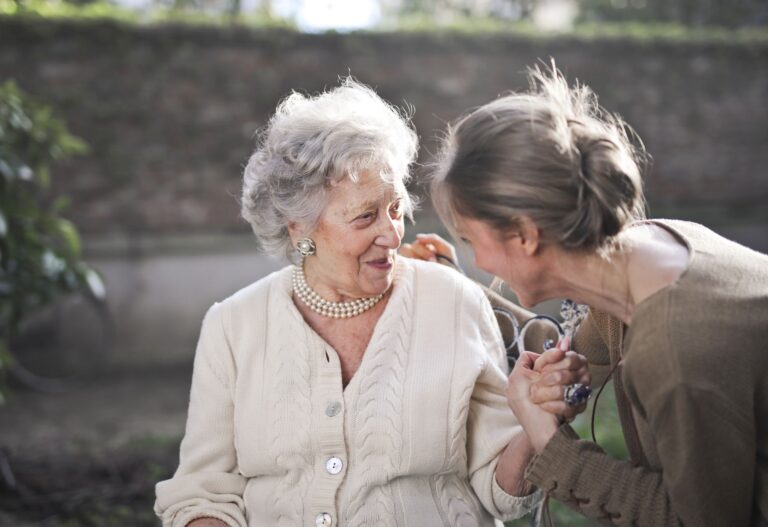
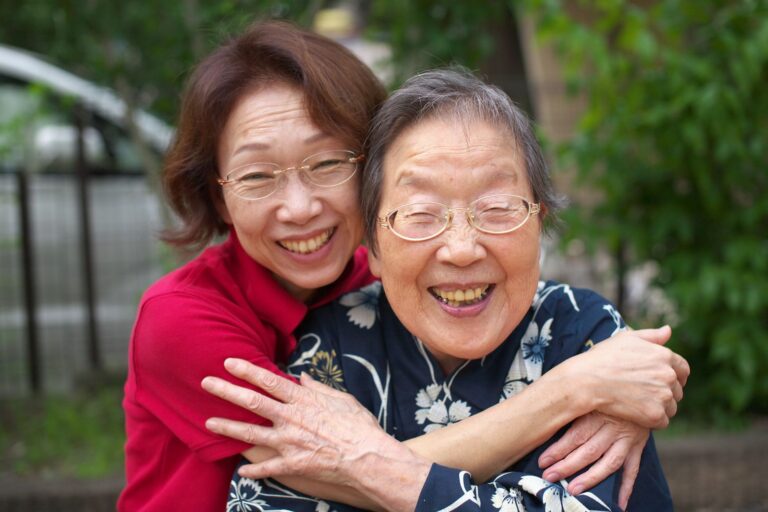
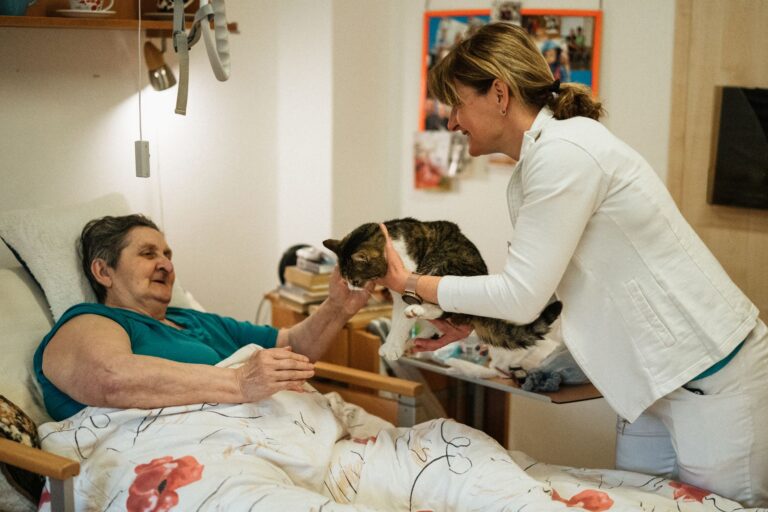
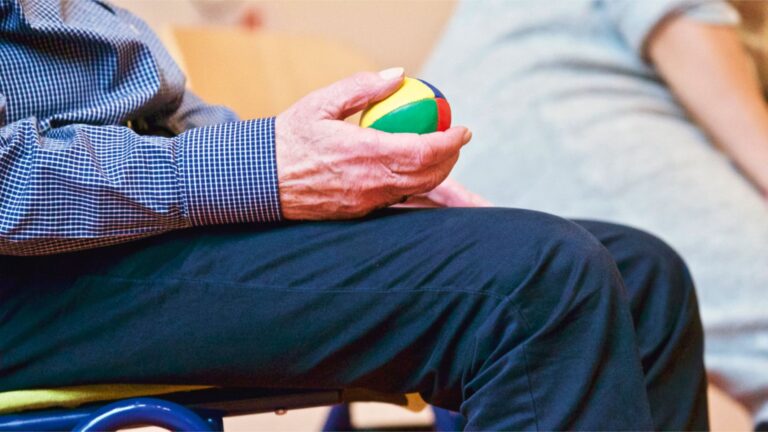
Adapting Halloween for memory care means keeping the holiday's warmth while removing its scary parts. That means swapping frightening costumes, masks, and decorations for comforting fall imagery, keeping daily routines intact, and watching residents closely during any public-facing activity. Dementia is a decline in memory and thinking that makes it hard to tell pretend from real, which is exactly why standard Halloween trappings can backfire. The sections below cover what to decorate with, what to avoid, how to handle trick-or-treaters, and how facilities and families are already doing this well.
Medical information disclaimer: This article is for general educational purposes only and does not provide medical advice, diagnosis, or treatment. Always consult a physician or other qualified health professional about symptoms, medications, tests, or treatment decisions.
Table of Contents
- What decorations and activities actually work
- Which decorations and media to avoid
- How to handle trick-or-treaters and the front door
- Managing candy, wandering risk, and errands
- Frequently Asked Questions
What decorations and activities actually work
Fall-themed decor without horror elements is the baseline recommendation across memory care settings. Fountain View Village, a senior living community in Fountain Hills, Arizona, decorates with pumpkins and leaves while avoiding costumes or anything else that could cause panic, anxiety, or stress, according to reporting from Cronkite News. Julie Jones, a memory-care staffer there, said darker imagery such as bats makes residents uncomfortable, so the community sticks to comforting imagery like leaves and pumpkins instead. Presbyterian Senior Living recommends the same substitution: mums, pumpkins, and corn stalks in place of skeletons or cobwebs, according to its Halloween safety guidance.
These items read as autumn, not horror, so residents can enjoy the season without the jump-scare elements that trigger distress. Active, hands-on activities work better than passive ones. Azura Memory Care in Verona, Wisconsin, holds a Halloween party where residents paint pumpkins and hand out candy to trick-or-treaters, a structure staff say is meant to spark positive long-term memories rather than introduce new, unfamiliar stimuli, according to WMTV15 News. Pumpkin painting and candy handouts give residents a job to do, which keeps them engaged without asking them to process anything frightening or unfamiliar.
Which decorations and media to avoid
Startling or motion-activated props are the clearest thing to remove from any memory care setting. The Alzheimer's Foundation of America advises against decorations that are startling, motion-sensored, or overly realistic and gruesome, such as jump-scare props, because an unexpected change in the environment can trigger confusion or distress in a person with dementia, according to its dementia-friendly Halloween guidance. Costumes and masks carry a specific risk beyond simple fright. A dementia-care blog from the University of Stirling's Dementia Services Development Centre notes that encountering a costumed or masked person can be especially unsettling, because the person with dementia may perceive the disguise as real rather than pretend, according to the university's guidance.
This is a reason to skip elaborate costumes among staff and visitors, not just residents. Horror-themed TV and movies belong on the same no-list. Fountain View Village skips horror programming around Halloween entirely, per Cronkite News. Rosie Lind, the community's director of assisted living and memory care, also recommends avoiding frightening costumes and flashing lights, and staying with residents during any trick-or-treating.
How to handle trick-or-treaters and the front door
Answering the door is a task best handled by someone other than the person with dementia. The Alzheimer's Foundation of America warns against leaving a person with dementia alone to answer the door and hand out candy, and advises never inviting unfamiliar trick-or-treaters inside, according to its family caregiver tips. A companion answering the door, or having the person stay at a relative's home for the evening, are both suggested alternatives.
The unpredictability of strangers in costume at the door is the core problem, not the candy itself. A string of unfamiliar faces in masks, arriving at irregular intervals and expecting a specific social script, is a lot of unscripted interaction for someone who relies on routine and familiar faces to stay oriented. Rosie Lind's broader point about routine applies directly here: keeping normal daily patterns intact helps residents stay oriented, per Cronkite News. If trick-or-treat traffic is heavy where the person lives, moving the evening routine elsewhere, or having a companion manage the door entirely, keeps that routine from being disrupted.
Managing candy, wandering risk, and errands
Sugar intake deserves its own plan. The Alzheimer's Foundation of America recommends swapping Halloween candy for fruit or another healthy snack, since large amounts of sugar can increase agitation in people with dementia, according to guidance republished by HealthDay. Having a non-candy treat ready avoids the conversation entirely if the person reaches for sweets out of habit. Wandering risk rises around Halloween specifically because routines, visitors, and noise levels all change at once.
Presbyterian Senior Living notes this increased risk of a person with dementia wandering away from a facility or home during the holiday, according to its safety guidance. Extra supervision during the hours when trick-or-treaters are most active, and securing exits if the person lives at home, both address this directly. Errands carry a related risk that's easy to overlook. Presbyterian Senior Living notes that running errands in late October can expose residents to spooky store displays, costumes, and sudden sounds that are disorienting, per the same guidance. Scheduling errands earlier in the month, or choosing stores with minimal Halloween displays, sidesteps the problem without canceling the outing.
- Keep sugar low: offer fruit or a familiar snack instead of candy.
- Assign door duty to a companion, not the person with dementia.
- Increase supervision during peak trick-or-treat hours to reduce wandering risk.
- Time errands for earlier in October, before stores are fully decorated.
- Skip costumes, masks, and horror media entirely, for staff and visitors too.
Frequently Asked Questions
Can memory care residents still enjoy Halloween in some form?
Yes — communities like Azura Memory Care in Verona, Wisconsin hold pumpkin-painting parties and candy handouts designed to spark positive memories rather than introduce frightening new stimuli, according to WMTV15 News.
Why do masks and costumes bother people with dementia more than other holiday changes?
The University of Stirling's Dementia Services Development Centre notes that a person with dementia may perceive a costume or mask as real rather than pretend, making it more distressing than a simple decoration.
Is candy itself a problem, or just the routine of answering the door?
Both carry separate risks — the Alzheimer's Foundation of America flags sugar for increasing agitation, and separately warns against leaving the person alone to greet unfamiliar trick-or-treaters.