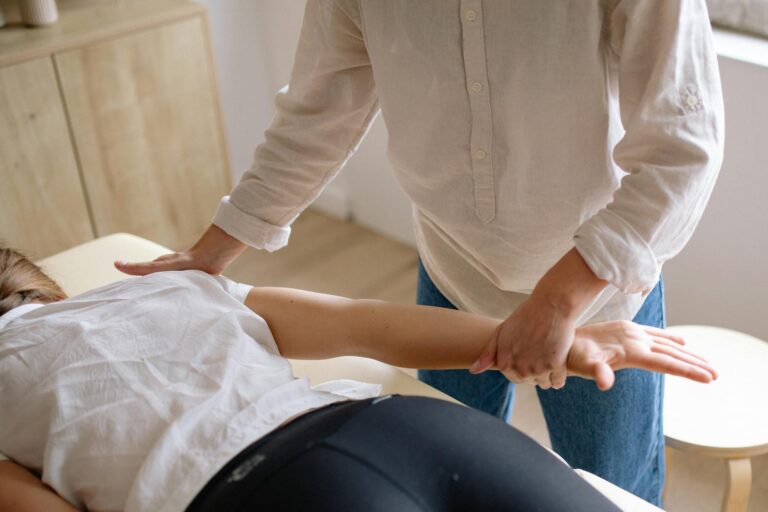
Spine stabilization reduces pain by reinforcing the muscles and structures that support the vertebral column, preventing excessive movement that irritates nerves and causes inflammation. When the spine loses stability—through degeneration, weakness, or injury—discs slip, nerves become compressed, and surrounding tissues inflame, creating chronic pain. Stabilization works by restoring the support system that prevents these movements, which is why both exercise-based and surgical approaches consistently show significant pain reduction in clinical studies.
For a person experiencing chronic low back pain from degenerative disc disease, for example, a course of supervised stabilization exercises can produce measurable improvement within 4 to 8 weeks. This article examines how spine stabilization reduces pain through both non-surgical and surgical approaches, reviews the clinical evidence behind these methods, and explains what realistic outcomes look like based on current research. We’ll also discuss when stabilization is the right choice and what limitations to expect.
Table of Contents
- What Does Spinal Stability Actually Do to Reduce Pain?
- Non-Surgical Stabilization—Exercise-Based Approaches
- Surgical Stabilization Systems and Fusion Procedures
- Choosing Between Exercise and Surgery
- Limitations and When Stabilization Doesn’t Work
- Recovery Timeline and What to Expect
- The Future of Spine Stabilization Technology
- Conclusion
What Does Spinal Stability Actually Do to Reduce Pain?
The spine is not designed to support itself passively through bone and ligaments alone. Instead, it relies on a network of muscles—the core stabilizers—that contract dynamically to prevent unwanted movement, distribute load evenly, and protect nerves and discs from compression. When these stabilizers weaken or fail to activate properly, the vertebrae move excessively during everyday activities. This movement creates friction in joints, irritates nerves, and accelerates wear on discs. Pain results from nerve compression, inflammation, and muscle spasm—all consequences of instability. Stabilization therapy targets the root cause rather than just masking the symptom.
By rebuilding muscular support, stabilization exercises reduce the abnormal movement that triggers inflammation and nerve irritation. Surgical stabilization systems accomplish the same goal using implants or fusion to physically limit harmful motion. Either way, the mechanism is identical: when the spine stops moving inappropriately, pain drops because the underlying tissue irritation resolves. Research shows this works across many conditions, particularly non-specific low back pain, where stabilization exercises produce an effect size of −0.81 for pain reduction and −0.73 for functional disability improvement. The timeline matters significantly. Exercise-based stabilization typically requires 8 to 12 weeks of supervised training to produce maximum benefits, while surgical stabilization often provides acute pain relief within 2 to 3 weeks post-operatively. However, the durability differs: exercise benefits require ongoing maintenance, whereas surgical fusion provides permanent stabilization unless revision surgery becomes necessary.
Non-Surgical Stabilization—Exercise-Based Approaches
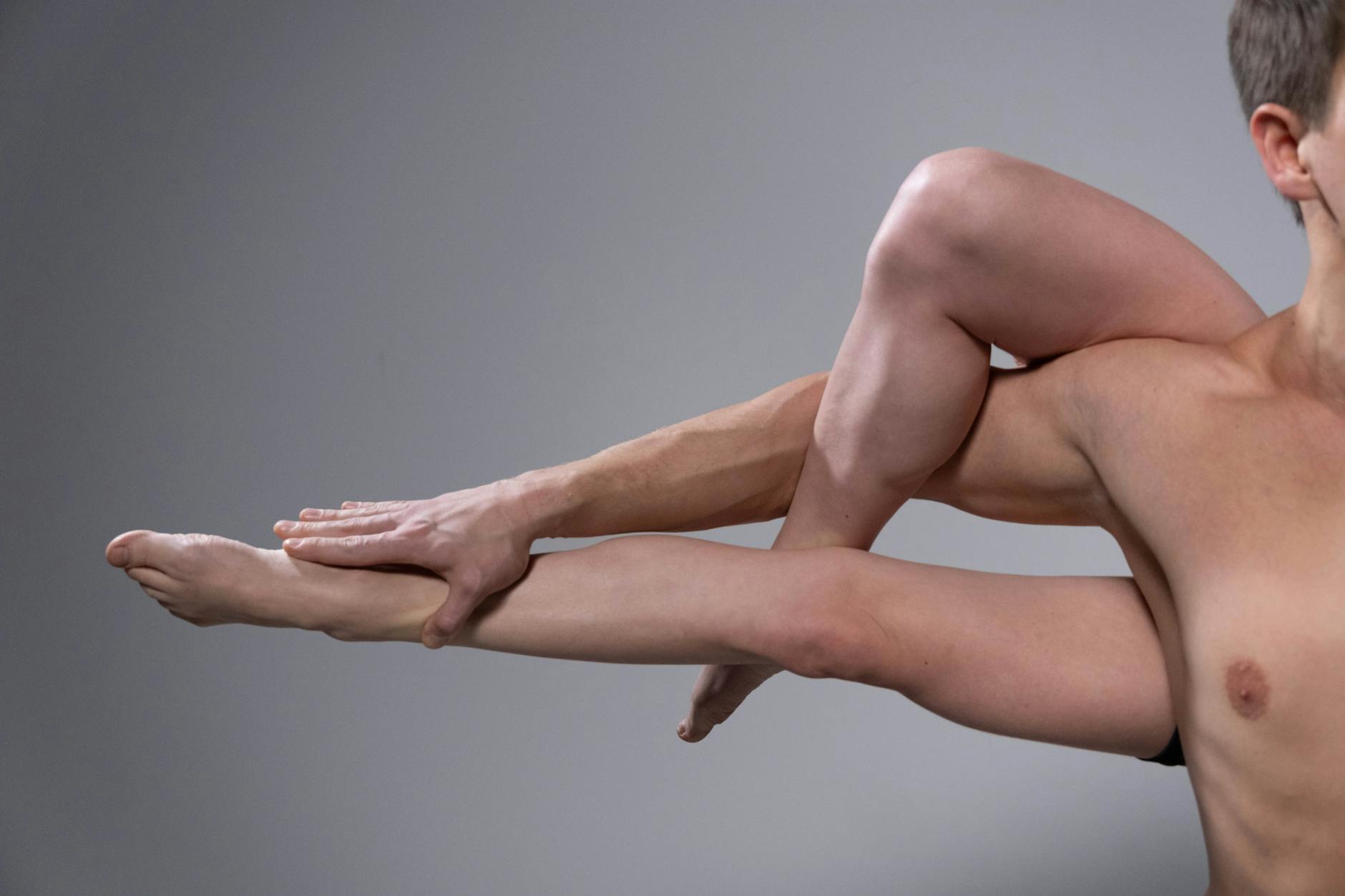
Stabilization exercises are the first-line treatment for most spine pain because they address weakness without surgical risk. A 2025 meta-analysis found that supervised stabilization exercise programs produced significant pain relief with an effect size of −0.88, one of the largest measured effects for non-surgical treatment. Core stability exercises performed slightly better (effect size −0.90) than spinal stability exercises alone (−0.57), suggesting that engaging the broader core muscles around the trunk provides better pain control than isolating individual spinal segments. The catch: these programs only work if completed consistently. The research showing strong effects involved 8 to 12 weeks of supervised training—not casual home exercises done once per week.
Improvement typically appears within 4 to 8 weeks for those who stick with a structured program. Many people stop too early, believing the exercises aren’t working when they simply haven’t completed enough sessions. Additionally, stabilization exercises work best for non-specific low back pain; if pain stems from severe disc herniation, stenosis, or instability requiring surgery, exercise alone may not be sufficient. Once pain improves, exercises must continue indefinitely at a reduced frequency to maintain stability. The pain returns if people abandon strengthening entirely. This is why exercise programs, while avoiding surgery’s risks, require lifelong commitment—a limitation that concerns many patients seeking a permanent fix.
Surgical Stabilization Systems and Fusion Procedures
When conservative treatment fails or instability is severe, surgical options provide permanent stabilization. The DIAM™ Spinal Stabilization System, FDA-approved in 2025, exemplifies modern minimally invasive approaches. In clinical trials, 77% of patients became Oswestry Disability Index (ODI) responders at 24 months—meaning they experienced substantial functional improvement and pain reduction. More impressive, 11.5-year follow-up data showed that 86.4% of patients sustained these improvements over more than a decade, demonstrating durability. Surgical fusion remains the gold standard for severe instability, with success rates ranging from 70% to 90% depending on the specific technique and condition.
Minimally invasive transforaminal lumbar interbody fusion achieves 60-70% success with 80% patient satisfaction, while posterior lumbar interbody fusion achieves 90-95% fusion rates. The advantage of surgical approaches is permanence; once fused or stabilized surgically, the spine no longer requires daily exercise maintenance. The trade-off is surgical risk—infection, nerve injury, and the need for revision surgery—plus longer recovery times compared to exercise. Two-year post-surgical outcomes show variability: 11% of patients report no improvement, 28% experience little-to-moderate improvement, 44% report significant improvement, and 17% achieve complete pain relief. Most patients report notable acute pain reduction within 2 to 3 weeks as surgical swelling subsides, but reaching maximum improvement often takes 3 to 6 months. Importantly, 17.5% of patients with lumbar stenosis require revision surgery within 5 years, meaning surgery is not a permanent solution for everyone.
Choosing Between Exercise and Surgery
The choice between exercise-based and surgical stabilization depends on severity, timeline, and patient willingness to commit to long-term management. For early-stage instability causing mild to moderate pain, supervised stabilization exercises should be the starting point. They carry minimal risk, cost less, and produce strong evidence-based results if completed properly. Exercise also preserves the spine’s natural motion and avoids implant-related complications. However, exercise stabilization requires months to work and demands lifelong maintenance. If someone has severe pain impairing function or has already failed 12 weeks of supervised exercise, surgery offers faster and more permanent relief.
The DIAM™ system and fusion procedures provide outcomes that exercise cannot match in terms of immediate improvement and long-term stability. Surgery is particularly appropriate for those with objective instability confirmed by imaging, severe disc degeneration, or conditions like spondylolisthesis where instability is structural rather than muscular. Age and comorbidities also influence the choice. Older adults or those with significant medical conditions may tolerate surgery poorly, making conservative exercise the safer path. Conversely, young, active individuals suffering from severe instability may benefit from surgery because it restores high-level function without the ongoing restrictions of exercise maintenance. There is no universally correct choice; outcomes depend on matching the treatment to the individual’s condition, expectations, and ability to comply.
Limitations and When Stabilization Doesn’t Work
Stabilization—either surgical or exercise-based—does not help every pain condition. Some spine pain stems from sources that stabilization cannot address. Severe nerve root compression from a large disc herniation requires decompression surgery, not stabilization alone. Inflammatory arthropathies like ankylosing spondylitis or rheumatoid arthritis may cause spine pain that responds better to disease-modifying medications than to mechanical stabilization. Infections, tumors, and metabolic bone diseases also require different treatment approaches. Additionally, stabilization works best for pain caused by movement.
Static pain—pain present at rest or during sleep regardless of position—suggests a non-mechanical source like infection, inflammation, or referred pain from another organ. In these cases, stabilization provides no benefit. Patients should undergo thorough diagnostic imaging and physician evaluation to confirm that instability or degeneration is actually driving their symptoms before committing to extensive stabilization therapy. A further limitation: even successful stabilization does not guarantee pain elimination. The data shows significant improvement, not cure. Many patients continue experiencing some baseline pain after exercise or surgery, though it is reduced enough to improve function and quality of life. Managing expectations—understanding that “much better” is realistic but “pain-free” may not be—helps patients commit to treatment without disappointment.

Recovery Timeline and What to Expect
Recovery from surgical stabilization differs markedly from exercise progression. Surgical patients experience immediate post-operative pain and limitation lasting 2 to 3 weeks, during which pain medication and activity restriction are necessary. By week 4 to 6, most can resume light activities. Full recovery and maximum improvement takes 3 to 6 months, and some neurosurgeons recommend limiting certain activities for up to a year post-operatively.
Someone undergoing lumbar fusion can expect to miss work for 6 to 8 weeks, whereas stabilization exercise programs allow continued activity with modifications. Exercise stabilization follows a slower but steadier course. Pain typically begins decreasing within 4 weeks of consistent training, with maximum improvement reached by 8 to 12 weeks. Patients can continue working and most daily activities during this period, though heavy lifting and intense sport may need temporary restriction. The advantage is gradual, normal recovery without surgical trauma; the disadvantage is the extended timeline before substantial relief arrives.
The Future of Spine Stabilization Technology
Spine stabilization methods continue advancing. The FDA approval of the DIAM™ system in 2025 represents progress toward less invasive options that preserve spinal motion while providing stabilization—a middle ground between surgery’s invasiveness and exercise’s slow effects. Future developments may include biologics to enhance disc healing, robotic-assisted surgical techniques for greater precision, and wearable sensors to monitor core activation and guide home exercise programs.
These innovations aim to improve outcomes, reduce revision rates, and personalize treatment selection. For now, the evidence supports combining approaches. Patients may benefit from attempting supervised stabilization exercise first, then pursuing surgery if exercise fails or if imaging reveals severe structural instability. This stepped approach maximizes conservative treatment while preserving surgery as a proven backup option for those who need it.
Conclusion
Spine stabilization reduces pain by restoring support to the vertebral column, preventing abnormal movement that irritates nerves and causes inflammation. This goal is achieved through either supervised exercise programs—which show effect sizes around −0.88 for pain reduction—or surgical intervention, ranging from minimally invasive systems like the FDA-approved DIAM™ (with 86% long-term responder rates) to spinal fusion (with 70-90% success rates). Both approaches work, but they differ in timeline, permanence, and commitment required.
Choosing the right approach depends on pain severity, the underlying structural condition, and personal circumstances. For most people, a structured 8 to 12-week program of supervised stabilization exercises should be attempted first, with surgery reserved for those who fail conservative treatment or have severe objective instability. Regardless of method chosen, realistic expectations—significant improvement rather than complete pain elimination—and ongoing adherence to maintain spinal support are essential for long-term success. Consulting with a physician to confirm that instability is driving symptoms ensures treatment targets the actual problem.