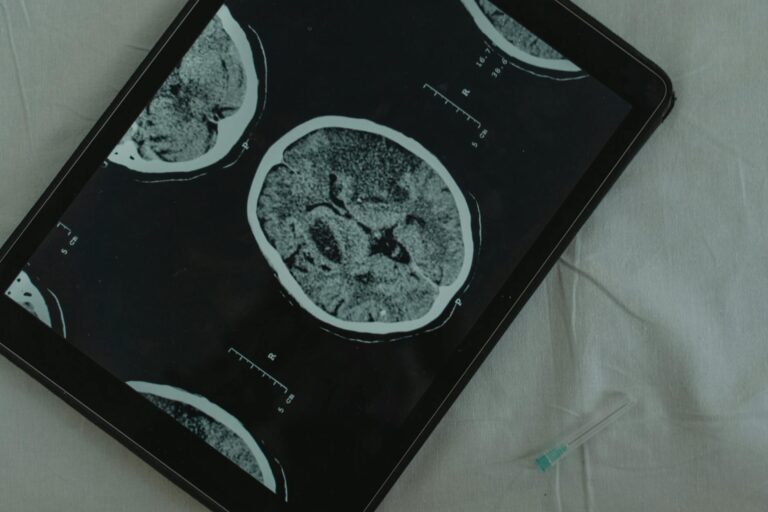
Microdosing with psychedelics, such as psilocybin and LSD, has gained attention for its potential to enhance mental health and cognitive function. One of the key ways it does this is by affecting neuroplasticity, which is the brain’s ability to reorganize itself by forming new neural connections. This process is crucial for learning, memory, and recovery from mental health disorders.
### What is Neuroplasticity?
Neuroplasticity allows the brain to adapt and change throughout life. It is essential for overcoming injuries, learning new skills, and adapting to new situations. In people with mental health conditions like depression or anxiety, neuroplasticity can be impaired, making it harder for the brain to adapt and recover.
### How Microdosing Affects Neuroplasticity
Microdosing involves taking very small amounts of psychedelics, typically too small to cause a “trip” or significant impairment. Despite the low doses, microdosing has been reported to promote neuroplasticity. Studies have shown that people who microdose often report improvements in mood, creativity, and mental clarity. This is partly because microdosing can increase the brain’s ability to form new connections and pathways, which is vital for treating conditions like depression.
### The Science Behind It
Research suggests that psychedelics can alter the brain’s default mode network (DMN), which is responsible for self-reflection and memory. By temporarily disrupting the DMN, psychedelics can help the brain reorganize and form new connections, enhancing neuroplasticity. This process can lead to profound changes in perception and mood, often reported by individuals who microdose.
### Risks and Challenges
While microdosing shows promise, there are risks and challenges. The scientific evidence for its effectiveness is still limited, and more research is needed to fully understand its effects. Additionally, there are potential health risks associated with long-term use, such as changes in heart health. Despite these challenges, many people find microdosing to be a valuable tool for improving mental health and cognitive function.
### Conclusion
Microdosing with psychedelics offers a promising approach to enhancing neuroplasticity and improving mental health. By promoting new neural connections and pathways, microdosing can help individuals overcome mental health challenges and improve their overall well-being. However, it is crucial to approach microdosing with caution and to seek professional guidance due to the potential risks and the need for further research.