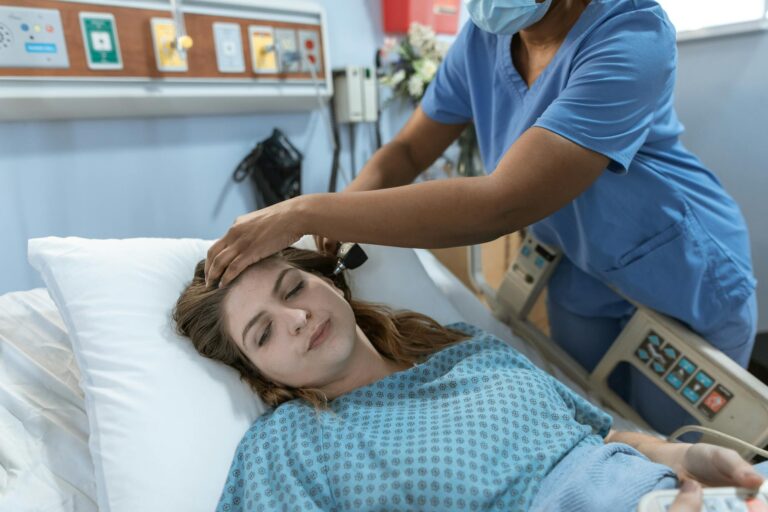
Parkinson’s disease erodes personal independence through a slow, relentless progression of motor and non-motor symptoms that compound over time. What begins as a barely noticeable tremor or slight stiffness in one hand eventually spreads to affect walking, balance, speech, swallowing, and cognitive function””each decline stripping away another layer of self-sufficiency. Consider Margaret, a 68-year-old retired teacher diagnosed five years ago: she first noticed her handwriting shrinking, then found buttoning her blouse took five minutes instead of thirty seconds, and now requires assistance getting out of bed each morning. Her trajectory illustrates how Parkinson’s doesn’t steal independence in one dramatic moment but rather takes it piece by piece, task by task.
The disease follows a characteristic pattern, though the timeline varies considerably between individuals. Early stages may only bring minor inconveniences””perhaps needing extra time to complete routine tasks or feeling more fatigued than usual. Middle stages introduce more significant challenges: driving becomes unsafe, falls become frequent, and household chores grow exhausting. Advanced stages often require round-the-clock care. This article examines the specific mechanisms behind this progressive loss, the particular activities most affected at each stage, strategies that can preserve autonomy longer, and how caregivers and medical teams can support dignity even as physical capabilities decline.
Table of Contents
- What Motor Symptoms First Signal the Loss of Independence in Parkinson’s?
- How Daily Living Activities Become Progressively Difficult
- The Often-Overlooked Non-Motor Symptoms That Steal Autonomy
- Strategies That Preserve Independence Longer in Parkinson’s Patients
- Why Falls Represent a Critical Turning Point
- How Caregivers Can Support Dignity While Providing Necessary Help
- The Role of Technology and Environmental Modifications
- What the Progression of Parkinson’s Means for Long-Term Planning
- Conclusion
What Motor Symptoms First Signal the Loss of Independence in Parkinson’s?
The hallmark motor symptoms of Parkinson’s””tremor, bradykinesia (slowness of movement), rigidity, and postural instability””don’t appear simultaneously or with equal intensity. Tremor typically emerges first, often in one hand at rest, and while it may be socially embarrassing, it rarely causes significant functional impairment initially. The more insidious early culprit is bradykinesia, which makes every movement require conscious effort and extra time. Activities that once happened automatically””brushing teeth, stirring a pot, typing an email””now demand concentration and patience. Rigidity, the stiffness in muscles that resist passive movement, compounds the slowness by making limbs feel heavy and uncooperative. A person might notice their arm no longer swings naturally when walking, or that turning over in bed has become a multi-step process requiring planning.
These symptoms typically begin unilaterally””affecting one side of the body””before gradually spreading to both sides over months or years. The asymmetry itself creates challenges: one functional hand compensating for an impaired one works until the “good” side also deteriorates. Postural instability usually appears later in the disease course but represents a major threshold in independence loss. When balance fails, falls become frequent and dangerous. A single hip fracture can accelerate decline dramatically, leading to hospitalization, reduced mobility during recovery, and sometimes permanent loss of walking ability. Fear of falling often restricts activity even before actual falls occur, creating a self-reinforcing cycle of decreased movement, weakened muscles, and increased fall risk.

How Daily Living Activities Become Progressively Difficult
Activities of daily living (ADLs)””the fundamental self-care tasks including bathing, dressing, eating, toileting, and transferring””provide a useful framework for understanding independence loss. Instrumental activities of daily living (IADLs), which include managing finances, preparing meals, doing housework, and using transportation, typically become challenging before basic ADLs. A person might struggle to cook dinner long before they need help feeding themselves. Dressing illustrates the compounding nature of Parkinson’s challenges. Fine motor control difficulties make buttons, zippers, and shoelaces troublesome. Rigidity and bradykinesia complicate pulling shirts overhead or stepping into pants. Balance problems make standing on one leg to put on socks dangerous.
Tremor can make fastening jewelry impossible. However, the timing of these difficulties varies””someone with predominantly tremor-dominant Parkinson’s may retain dressing independence longer than someone whose primary symptom is rigidity, even if they’ve had the disease for the same duration. Eating and drinking present their own constellation of challenges. Tremor makes lifting food to the mouth without spilling difficult. Slowed swallowing (dysphagia) increases choking risk and makes meals time-consuming and anxiety-provoking. Reduced sense of smell diminishes food enjoyment, while constipation””nearly universal in Parkinson’s””affects appetite. Cutting meat or managing slippery foods like peas becomes an exercise in frustration. Some people abandon eating in public due to embarrassment, leading to social isolation that compounds the psychological burden of the disease.
The Often-Overlooked Non-Motor Symptoms That Steal Autonomy
Motor symptoms receive the most attention, but non-motor symptoms frequently impact independence just as profoundly. Depression affects roughly 40% of people with Parkinson’s and can manifest as apathy””a profound lack of motivation that makes initiating any activity, even enjoyable ones, feel impossibly effortful. A person might have the physical capability to dress themselves but lack the drive to do so. This distinction matters enormously for caregivers: what looks like physical incapacity may actually be neurologically-based apathy requiring different interventions. Cognitive changes occur in most people with Parkinson’s over time, ranging from mild executive dysfunction to full dementia. Executive function deficits””problems with planning, organizing, multitasking, and mental flexibility””often appear early and subtly.
Someone might manage a simple task but become overwhelmed when multiple steps are required or when plans change unexpectedly. Preparing a meal involves planning the menu, gathering ingredients, following sequential steps, and adjusting timing””executive demands that become insurmountable even if the physical acts of chopping and stirring remain possible. Sleep disturbances, including insomnia, REM sleep behavior disorder, and excessive daytime sleepiness, create a less obvious but significant independence drain. Poor sleep exacerbates motor symptoms, cognitive difficulties, and mood problems. Someone exhausted from fragmented sleep may lack the energy for self-care or fall asleep during activities that require alertness, like driving or using the stove. The interaction between non-motor and motor symptoms creates a complexity that simple staging systems don’t capture well.

Strategies That Preserve Independence Longer in Parkinson’s Patients
Exercise stands as the single most evidence-supported intervention for slowing functional decline in Parkinson’s. Aerobic exercise, resistance training, and activities emphasizing balance and flexibility all show benefits, but the type matters less than consistency and adequate intensity. Programs specifically designed for Parkinson’s, such as LSVT BIG for movement or boxing-based fitness classes, incorporate disease-specific principles but aren’t necessarily superior to any exercise performed regularly. The critical point is that exercise must continue throughout the disease””stopping during periods of decline, when motivation is lowest, accelerates the very losses exercise helps prevent. Occupational therapy offers practical adaptations that extend independence with relatively simple modifications. Replacing buttons with Velcro or magnetic closures, using electric toothbrushes and razors, installing grab bars and raised toilet seats, switching from lace-up shoes to slip-ons””these changes address specific functional barriers.
However, timing matters: introducing adaptations too early may discourage use of remaining abilities, while waiting too long means struggling unnecessarily. The tradeoff between challenge and frustration requires ongoing calibration as the disease progresses. Medication optimization plays a crucial but complicated role. Levodopa and other Parkinson’s medications can dramatically improve motor function during “on” periods, but effectiveness wanes over time and “off” periods become more pronounced and unpredictable. Some people experience near-normal function at certain times of day and severe impairment at others, making independence dependent on careful timing of activities around medication schedules. Deep brain stimulation surgery can smooth out these fluctuations for appropriate candidates but doesn’t stop underlying disease progression and carries surgical risks.
Why Falls Represent a Critical Turning Point
Falls deserve special attention because they often mark an inflection point in independence loss. Roughly two-thirds of people with Parkinson’s fall each year, and many fall repeatedly. Falls result from the convergence of multiple factors: postural instability, freezing of gait (sudden inability to initiate or continue walking), orthostatic hypotension (blood pressure drops upon standing), medication effects, cognitive distraction, and environmental hazards. Each factor may be individually manageable, but their combination becomes overwhelming. The consequences extend beyond physical injury. Fear of falling leads to activity restriction, which causes deconditioning, which increases fall risk further. Social activities requiring mobility get abandoned.
Confidence erodes. Family members, witnessing falls or their aftermath, may insist on supervision that feels infantilizing. A limitation worth acknowledging: while fall prevention programs help, no intervention eliminates fall risk in moderate-to-advanced Parkinson’s. The goal shifts from prevention to risk reduction and harm minimization””removing throw rugs, improving lighting, ensuring hip protectors are worn, and arranging living spaces to minimize consequences when falls do occur. The decision to stop driving often follows falls or near-misses and represents another major independence milestone. Driving requires rapid reaction time, divided attention, and physical coordination””all compromised in Parkinson’s. Giving up driving in suburban or rural areas without public transportation effectively means giving up spontaneous independent mobility entirely, increasing dependence on others for every trip outside the home.

How Caregivers Can Support Dignity While Providing Necessary Help
Caregiving for someone with Parkinson’s requires balancing assistance with respect for autonomy””a balance that shifts continuously as capabilities change. Doing tasks for someone because it’s faster undermines their remaining abilities and self-worth; standing by while they struggle indefinitely ignores genuine need. Finding the middle ground requires communication, patience, and ongoing recalibration. For example, Barbara learned to position herself behind her husband while he buttoned his shirt, ready to assist if asked but not assuming he needed help.
On good days, he managed independently in five minutes. On bad days, he’d say “I need you” after thirty seconds of fumbling. This approach preserved his sense of competence on capable days while ensuring support on difficult ones. It required Barbara to slow her own schedule and tolerate the uncertainty of not knowing which kind of day it would be””a significant adjustment that many caregivers find emotionally challenging.
The Role of Technology and Environmental Modifications
Assistive technology increasingly offers options for extending independence, though adoption faces barriers. Voice-activated home systems can control lights, locks, thermostats, and appliances when manual operation becomes difficult. Medication reminder apps and automatic pill dispensers address the cognitive load of complex medication schedules. GPS-enabled devices provide safety monitoring while allowing greater freedom than direct supervision. Environmental modifications address physical barriers within the home.
Single-floor living eliminates stair-related fall risks. Walk-in showers with benches and handheld sprayers make bathing safer and more manageable. Hospital beds with adjustable positions ease the difficulty of getting in and out of bed. However, these modifications can be expensive, may require significant home renovation, and carry psychological weight””each adaptation makes the home feel more like a care facility. The tradeoff between safety and normalcy affects quality of life in ways that purely functional assessments miss.
What the Progression of Parkinson’s Means for Long-Term Planning
Understanding that Parkinson’s is progressive””not stable, not reversible with current treatments””shapes realistic planning. Early-stage discussions about values, preferences, and care wishes happen before cognitive decline complicates decision-making. Financial planning accounts for the eventual need for paid caregiving or residential care, which can cost thousands of dollars monthly. Housing decisions consider accessibility needs years in advance rather than scrambling during a crisis.
Research continues into disease-modifying treatments that might slow or halt progression rather than merely treating symptoms. Gene therapies, immunotherapies targeting abnormal alpha-synuclein protein, and neuroprotective agents are under investigation. For people diagnosed today, these approaches may eventually offer more than symptom management. However, promising treatments have failed in clinical trials repeatedly over the past two decades, and no breakthrough appears imminent. Planning should assume continued progression while remaining open to therapeutic advances that might change the trajectory.
Conclusion
Parkinson’s disease reduces personal independence through accumulating deficits across motor function, cognition, mood, and autonomic systems. The losses follow patterns””hand function before walking, complex tasks before basic self-care, one side before both””but individual variation means no two progressions look identical. Understanding the mechanisms helps patients and families anticipate challenges, implement adaptations proactively, and make informed decisions about when to accept help.
Preserving independence as long as possible requires active effort: consistent exercise, thoughtful environmental modifications, optimized medications, and occupational therapy interventions timed appropriately. Equally important is recognizing that complete independence eventually becomes impossible for most people with Parkinson’s, and that accepting help with dignity is not failure but adaptation. The goal throughout is maintaining the highest possible quality of life at each stage, which sometimes means doing things differently rather than doing them alone.