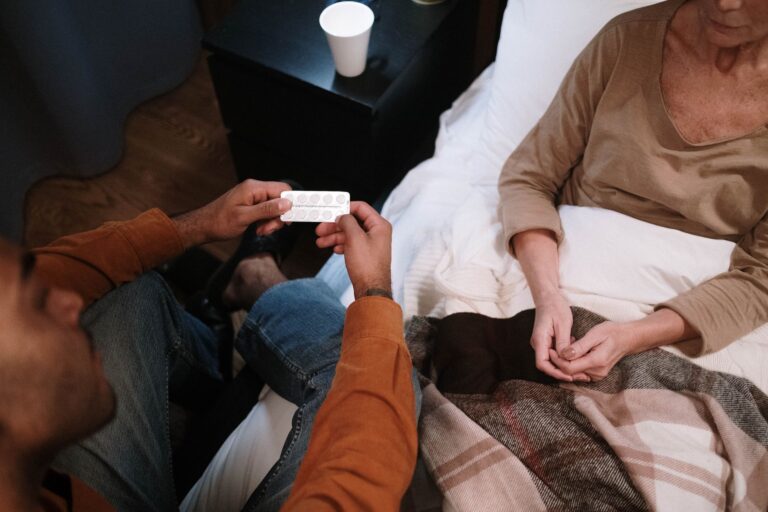
Much sits at the center of this dementia and brain health question.
The average cost of a casket in 2026 ranges from $900 to $10,000 at funeral homes, with a national average around $2,500. For example, a family dealing with a parent’s death from Alzheimer’s disease might select a simple pine casket for $1,200 at a funeral home, when that same casket could cost $600 online—a $600 difference that matters when grief and financial stress coincide. It’s important to understand that casket prices do not vary based on the cause of death; whether someone dies from Alzheimer’s, cancer, or another condition, the pricing follows the same industry patterns.
This article covers the full range of casket costs, explains why funeral home prices are often triple what you’d pay elsewhere, explores your legal right to buy caskets from any retailer, and breaks down the total funeral expenses families typically face alongside casket costs. Many families don’t realize they have significant control over this expense. Federal law explicitly allows you to purchase a casket from any third-party retailer—including online sellers, Costco, or Walmart—and the funeral home must accept it without charging fees. This single decision can reduce your casket expense by $1,000 to $3,000, which can be critical when managing end-of-life costs alongside other medical and caregiving expenses related to dementia.
Table of Contents
- What Are Typical Casket Prices in 2026?
- Funeral Home Casket Pricing vs. Retail Options—And Your Legal Right to Buy Elsewhere
- Budget-Conscious Choices After Alzheimer’s Death
- Cremation as an Alternative to Casket Purchase
- Understanding Total Funeral Costs Beyond the Casket
- Casket Selection When You’ve Decided to Purchase
- Planning Ahead and Funeral Pre-Planning as a Strategy
- Conclusion
What Are Typical Casket Prices in 2026?
Casket pricing in the United States breaks into clear tiers. Budget caskets, typically made from pine or particleboard, range from $500 to $1,500. Mid-range options, usually constructed from better wood or metal, run $1,000 to $3,000. Premium caskets with custom designs, specialty materials, or ornate finishes exceed $10,000. When purchased through funeral homes, caskets generally fall into the middle to upper ranges of these estimates.
Online retailers and bulk sellers like Costco and Walmart offer different pricing: Costco caskets start at $1,149, Walmart at $995, and online funeral supply companies typically range from $600 to $6,000. The critical insight is the markup disparity. A casket retailing for $600 online can cost $1,800 to $3,000 when purchased through a funeral home. This 300% to 500% markup reflects funeral homes’ retail distribution model, showroom overhead, and profit margins. A family choosing a mid-range casket might spend $2,000 at a funeral home when the identical casket wholesales for $600 to $800. Understanding this gap is the first step toward managing this significant line item in funeral costs.

Funeral Home Casket Pricing vs. Retail Options—And Your Legal Right to Buy Elsewhere
Federal Trade Commission regulations and most state laws explicitly protect consumers’ right to purchase caskets from any source. When you buy a casket from an online retailer or warehouse club, funeral homes are legally required to accept it without imposing additional handling fees or refusing service. This protection exists precisely because of the historical markup issue—regulators recognized that funeral homes had outsized pricing power when they were the only available source. However, there’s an important caveat: some funeral homes may discourage outside casket purchases through subtle pressure or inconvenience (suggesting the retailer’s casket “won’t fit” or mentioning handling surcharges they claim are standard).
If a funeral home explicitly refuses to accept a casket you’ve purchased elsewhere, or charges you a “handling fee,” contact your state’s funeral regulatory board or the FTC. The law is clear on this point. Additionally, if you order a casket online, confirm shipping timelines align with your funeral home’s schedule—a casket arriving after the service doesn’t help. Reputable online retailers typically guarantee 2-3 day delivery for this reason.
Budget-Conscious Choices After Alzheimer’s Death
Many families face competing financial pressures when an Alzheimer’s patient passes. During the disease course, savings may have been depleted by in-home care, assisted living, or memory care facility costs. At the moment of death, families are making decisions under emotional strain and often limited time. In this context, understanding casket pricing becomes essential.
A practical example: a family with a $8,000 total funeral budget might allocate $2,500 to the casket at a funeral home. By purchasing the same casket online for $900, they free up $1,600 for other costs—viewings, transportation, flowers, or reception expenses—without sacrificing quality or dignity. direct burial options (casket plus no service) average $5,138 nationally, compared to $8,300 for a traditional funeral with casket and service. If a family’s priorities are different—perhaps they prefer a small family gathering to a large formal service—this shift in approach can reduce total costs by $3,000 to $5,000 while still honoring the deceased.
Cremation as an Alternative to Casket Purchase
For families considering whether to purchase a casket at all, cremation represents a fundamentally different path. The median cost for a cremation-based funeral is $6,280 nationally, compared to $8,300 for burial-based services. Cremation eliminates the casket expense entirely, though families often purchase a much less expensive alternative container (typically $25 to $300) required by crematoriums for handling.
The tradeoff is significant: cremation is less expensive and more flexible in timing (cremains can be scattered, buried, or kept for later decisions), but some families or religious traditions prefer earth burial with a casket. After Alzheimer’s death, some families report cremation offers psychological relief—the cremation process feels like a gentler transition than a casket being lowered into ground. Others prefer the ritual of a grave site for ongoing remembrance. Neither choice is inherently better; the decision should align with your family’s values, budget, and the deceased’s wishes if documented.
Understanding Total Funeral Costs Beyond the Casket
The casket is one line item in a larger financial picture. The industry average total funeral cost as of 2024 was $12,616, though the median for burial (which includes a casket) was $8,300. Beyond the casket, typical funeral expenses include: embalming ($700–$1,500), the funeral home’s basic services fee ($2,000–$5,000), venue rental ($500–$2,000), flowers ($150–$1,000), transportation of the body ($300–$800), obituary notices ($200–$500), and cemetery or burial plot costs ($500–$5,000 if not pre-purchased). A critical limitation: Medicare does not cover funeral or casket expenses, even for beneficiaries.
Social Security provides only a $255 lump-sum death benefit, typically insufficient to cover any major funeral cost. If the deceased had term life insurance or burial insurance, this is the primary resource; burial insurance policies typically pay $5,000 to $25,000. Veterans’ families may access a VA death benefit up to $2,000. For families without these resources, funeral payment plans (offered by many homes, sometimes interest-free or low-interest) and nonprofits focused on end-of-life assistance may help bridge gaps.

Casket Selection When You’ve Decided to Purchase
If your family has decided to move forward with a casket purchase, selection involves practical considerations beyond cost. Caskets are measured in interior width (typically 28 inches standard, or 32 inches oversized) and length (typically 78 to 84 inches). Consult with the funeral home about any special requirements; this is not a hidden upcharge point but necessary practical information. Wood vs.
metal is the primary material choice affecting price and durability. Wood caskets are generally less expensive and more traditional for earth burial (they decompose with the body). Metal caskets—typically steel or stainless steel—are more expensive but offer perceived durability and are sometimes preferred for viewing purposes. Particleboard or combination materials offer lower price points. Interior linings vary from basic cloth to luxury fabrics; unless the casket will remain open for viewing, this detail has limited practical impact on the funeral itself.
Planning Ahead and Funeral Pre-Planning as a Strategy
Many families in the dementia caregiving community benefit from funeral pre-planning conversations before death occurs. While discussing casket costs during someone’s Alzheimer’s progression may feel difficult, it removes emotional decision-making and financial pressure from the moments immediately after death. Some people pre-purchase caskets or burial insurance; others simply document their preferences.
Pre-planning conversations also clarify family wishes and budget realities. If a parent expressed preference for a simple, inexpensive burial, documenting this protects against relatives proposing expensive options driven by guilt or grief. If budget is genuinely limited, conversations about direct burial or cremation alternatives happen proactively rather than reactively. Funeral homes offer free pre-planning consultations with no obligation; some nonprofits specializing in dementia care also provide guidance on end-of-life financial planning as part of broader caregiving support.
Conclusion
The average casket costs $2,500 nationally, but prices range from $500 for budget options to $10,000+ for premium caskets. The most important insight for families is that you can legally purchase caskets from online retailers, Costco, or Walmart at 50–70% discounts from funeral home prices, saving $1,000 to $3,000. This option matters most for families who have depleted savings during Alzheimer’s care and face competing financial priorities at the time of death.
Beyond the casket, total funeral costs average $8,300 for burial-based services, or $6,280 for cremation. Federal benefits (Social Security’s $255 payment), life insurance, and VA benefits (if applicable) may help offset these costs. Taking time to understand your options, your legal rights regarding casket purchasing, and the full landscape of funeral costs—rather than making rushed decisions in the funeral home—gives your family agency and often saves thousands of dollars during an emotionally difficult time.
You Might Also Like
- What Funeral Expenses Are Required After Alzheimer’s Death
- Ways To Save On Funeral After Alzheimer’s Death
- How To Arrange Direct Cremation After Alzheimer’s Death
For more, see Alzheimer’s Association.