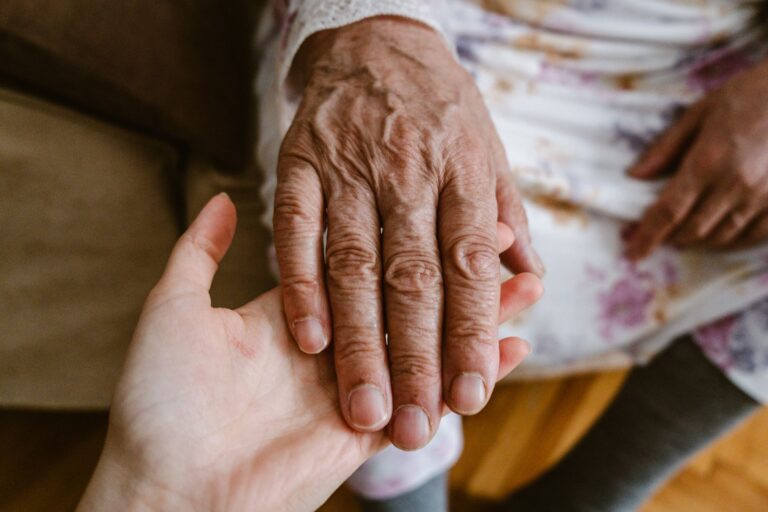
Movement-based wellness sits at the center of this dementia and brain health question.
Movement-based wellness classes enhance cognitive health in aging adults by increasing blood flow to the brain, stimulating the production of brain-derived neurotrophic factor (BDNF), and creating structured environments that engage multiple cognitive systems simultaneously. When a 72-year-old with early memory concerns attends a weekly tai chi class, she’s not just exercising her body—she’s strengthening neural pathways through balance work, learning new sequences, and processing spatial awareness in real time.
These classes work where isolated aerobic exercise sometimes falls short: they combine physical activity with cognitive challenge, social interaction, and often meditative elements, creating what research calls a “cognitive reserve” that helps protect against age-related mental decline. This article explores the neuroscience behind why movement matters for brain health, examines which types of classes offer the most cognitive benefit, addresses the real limitations and contraindications, and provides practical guidance for aging adults and their families seeking evidence-based wellness activities. We’ll also look at how social connection within these classes amplifies cognitive benefits, what to watch for when starting new movement practices, and how to distinguish genuine cognitive support from wellness marketing.
Table of Contents
- Why Does Physical Movement Enhance Brain Function in Older Adults?
- Types of Movement Classes and Their Specific Cognitive Benefits
- The Social Cognition Advantage in Group Movement Classes
- Choosing and Starting a Movement Practice: Practical Pathways Forward
- Medical Considerations and When Movement Classes Aren’t the Right Fit
- Movement Classes Versus Standalone Cognitive Training: What’s the Difference?
- The Emerging Research on Precision Movement Interventions for Cognitive Aging
- Conclusion
- Frequently Asked Questions
Why Does Physical Movement Enhance Brain Function in Older Adults?
Physical activity triggers a cascade of neurochemical changes that directly support cognitive function. When you move—especially during moderate-intensity exercise—your body releases BDNF, a protein that acts like fertilizer for brain cells, strengthening connections between neurons and even promoting the growth of new brain cells in the hippocampus, the region critical for memory formation. Studies show that older adults who engage in regular physical activity have larger hippocampal volumes than sedentary peers, a difference that correlates with better memory performance. Beyond BDNF, movement increases cerebral blood flow, delivering more oxygen and glucose to neural tissue, and reduces inflammation in the brain, a key factor in cognitive decline.
What makes movement-based classes specifically effective is that they demand simultaneous cognitive engagement. A yoga class requires you to learn new poses, remember sequences, focus on breathing, and monitor body position in space—all at once. Compare this to walking on a treadmill while watching television, which engages the brain minimally. The cognitive load in classes creates what neuroscientists call “cognitive enrichment,” which research suggests may be as protective against cognitive decline as the physical activity itself. A 2023 study published in JAMA Neurology found that older adults who combined physical activity with cognitive challenge showed 30% less cognitive decline over three years compared to those doing physical activity alone.

Types of Movement Classes and Their Specific Cognitive Benefits
Different movement practices engage the brain in distinct ways. Tai chi and qigong emphasize flowing sequences, balance, and mind-body connection, making them particularly effective for developing proprioception (awareness of body position) and reducing falls—a major threat to cognitive health in older adults since brain trauma can accelerate dementia. Dance-based classes add rhythm recognition, spatial navigation, and often social choreography, engaging additional brain regions associated with motor planning and social cognition. Yoga combines balance challenges with meditation and breathing control, strengthening both executive function and attention. Pilates focuses on precise, controlled movements and core engagement, demanding continuous attention and body awareness.
However, not all movement-based classes deliver equal cognitive benefit—and some may actually pose risks. High-intensity, fast-paced classes that prioritize speed over precision can lead older adults to prioritize movement completion over cognitive processing, essentially reducing the cognitive challenge. Additionally, if a person has undiagnosed balance problems, arthritis, or cardiac issues, an unsuitable class can cause injury or strain rather than benefit. A 68-year-old with uncontrolled blood pressure joining an intense kickboxing class may experience dizziness or fall risk that negates any cognitive gains. The most effective classes for cognitive aging tend to be moderate intensity, with an emphasis on learning and precision rather than performance metrics, and with instructor awareness of participants’ functional abilities.
The Social Cognition Advantage in Group Movement Classes
The group environment in movement classes activates social cognitive circuits—the brain systems involved in interpreting others’ intentions, coordinating with peers, and managing social interactions. When you exercise alone, you miss these benefits. In a group dance or yoga class, you’re implicitly reading the room, timing your movements to match others, perhaps offering encouragement to a neighbor struggling with a pose, and experiencing the motivational boost of exercising alongside peers. This social engagement triggers the release of oxytocin, a neurochemical that supports both emotional regulation and memory function, creating a compounding benefit: physical activity plus cognitive challenge plus social connection.
Research on “social cognitive reserve” shows that older adults with active social networks and regular group activities demonstrate slower cognitive decline than isolated peers, independent of physical activity levels. A study in Neurology found that seniors attending group fitness classes showed improvements not only in physical metrics but in attention and processing speed—improvements that correlated with the frequency of attendance and the consistency of the same peer group. The routine of seeing familiar instructors and classmates appears to create additional cognitive scaffolding. One caveat: for some older adults with social anxiety or hearing impairment, the group environment can be stressful rather than beneficial. A person with untreated hearing loss in a loud yoga studio may experience frustration and exit avoidance rather than engagement.

Choosing and Starting a Movement Practice: Practical Pathways Forward
When selecting a movement-based wellness class, the first step is matching the class intensity and style to existing function rather than aspirational fitness. A sedentary 75-year-old shouldn’t start with a power yoga class; they should begin with a gentle or beginner-level tai chi or aquatic fitness class that provides cognitive challenge without injury risk. Ask the instructor directly: How much modification is available? How cognitively complex are the sequences? Is the class structured for learning progression or maintenance? The cognitive benefit is strongest when participants feel slightly challenged but not overwhelmed—what psychologists call the “flow state.” Compare options: a “senior fitness” class at your local gym may feel less intimidating than a yoga studio filled with younger practitioners, but it might offer less cognitive novelty.
Conversely, a specialized memory-care dance program developed for people with cognitive decline provides cognitive engagement designed specifically for aging brains but may require a referral. A practical starting point is a 6-to-8-week trial: commit to one class per week for that duration, choose the same time slot and venue to build routine (which itself supports cognition), and honestly assess whether you’re learning and enjoying it. If you’re not learning new movements or sequences by week 4, the cognitive load is too low. If you’re frustrated and confused each session, you may need to step down in complexity.
Medical Considerations and When Movement Classes Aren’t the Right Fit
Movement classes carry real contraindications for some older adults. Someone with severe arthritis, uncontrolled hypertension, recent cardiac events, or untreated vertigo needs medical clearance before joining—not a warning on the class flyer, but actual discussion with their physician about which movements are safe. A person with advanced Parkinson’s disease might benefit from specialized movement classes designed for that condition, but a standard yoga class could be dangerous if balance is severely compromised. Additionally, older adults with cognitive decline may struggle with learning new sequences; for them, highly repetitive, consistent movement patterns (like pool walking or tai chi forms they’ve already learned) may be more appropriate than learning-intensive classes.
There’s also a realistic limitation in class accessibility: cost, transportation, scheduling, and availability of classes suited to actual ability levels create barriers that go unaddressed in most wellness advice. A 79-year-old with arthritis who lives in a rural area might not have access to specialized movement classes regardless of their cognitive needs. In such cases, home-based programs with video instruction (though less socially engaging) or partnered walking groups can provide some cognitive and physical benefits. The evidence supports movement-based classes as powerfully beneficial for cognitive aging, but access barriers mean they’re not a universal solution—and framing them as such ignores real constraints many older adults face.

Movement Classes Versus Standalone Cognitive Training: What’s the Difference?
The market offers many “brain training” programs—apps and games designed to improve memory and processing speed. How does a movement-based class compare? Brain training apps are task-specific; they improve the exact skill you practice (recognizing shapes, remembering sequences) but show limited “transfer”—improvement doesn’t extend to untrained cognitive tasks. Movement classes offer broader cognitive benefits: they improve attention, spatial reasoning, balance, memory for sequences, and social cognition simultaneously. Additionally, the physical exertion drives neurotrophic factor release that brain games alone don’t trigger.
A practical comparison: an older adult could spend 45 minutes on a cognitive training app and improve their score on that app’s memory test without changing their brain’s overall health markers. The same person in a tai chi class for 45 minutes increases blood flow and BDNF production, learns a new skill, engages socially, improves balance (reducing fall risk), and benefits from the meditative component—all factors that research associates with preserved cognitive function. This doesn’t mean brain training is useless, but movement-based classes appear to be a more comprehensive intervention for cognitive aging. Ideally, an older adult combines both: a movement class for the integrated, full-brain benefits, and targeted cognitive practice if there’s a specific deficit area that concerns them.
The Emerging Research on Precision Movement Interventions for Cognitive Aging
The field is rapidly evolving toward “precision” movement prescriptions—classes and programs tailored to individual cognitive profiles, genetics, and baseline fitness. Rather than generic “senior fitness,” emerging programs assess a person’s specific cognitive strengths and weaknesses (using screening tools for memory, processing speed, executive function), then recommend movement classes that target their weakest areas. A person with strong memory but declining balance might prioritize Tai Chi; someone with processing speed decline might benefit from dance with rhythm and timing demands.
Simultaneously, research is clarifying optimal “dosing”—how many sessions per week, for how long, and at what intensity do cognitive benefits emerge. Current evidence suggests that 2-3 sessions per week of moderate-intensity movement classes shows measurable cognitive benefit within 8-12 weeks, with sustained benefit as long as participation continues. Alarmingly, the benefits plateau and reverse relatively quickly if movement stops; a person who attended classes regularly then quit for six months loses much of the cognitive gain. This underscores a critical reality: movement for cognitive health isn’t a one-time intervention but a sustained lifestyle change, much like taking a daily medication.
Conclusion
Movement-based wellness classes support cognitive health in aging adults through multiple, reinforcing pathways: increasing blood flow and brain-derived neurotrophic factor, providing cognitive challenge through sequence learning and spatial navigation, fostering social connection, and reducing fall risk—all factors linked to slower cognitive decline. The evidence is robust: older adults who engage regularly in movement classes that combine physical activity with cognitive demand show measurably better memory, attention, and processing speed than sedentary peers, and this difference compounds over years.
Starting with an honest assessment of your current functional abilities, choosing a class that provides genuine learning and challenge without injury risk, and committing to consistency over months and years offers aging adults one of the most evidence-supported interventions available for maintaining cognitive health. The investment is not just physical but neurological—each class session literally strengthens brain structure and function in ways that games and supplements cannot replicate.
Frequently Asked Questions
How soon after starting a movement class should I expect cognitive improvements?
Research shows measurable improvements in attention and processing speed within 8-12 weeks of consistent participation (2-3 sessions weekly). Memory improvements may take 12-16 weeks. Improvements accelerate if you’re learning new sequences or combining classes with cognitive engagement. However, improvements plateau and reverse within weeks of stopping, so the benefit depends on sustained participation.
What if I have arthritis or pain that limits my movement?
Water-based movement classes (aquatic fitness, water aerobics) provide cognitive challenge and physical activity with significantly reduced joint stress. Tai chi and qigong can be adapted to limited mobility; discuss modifications directly with the instructor. If pain is severe, consult your physician about which movements are safe before attending any class. Cognitive benefit requires *some* physical exertion, but it doesn’t require high impact or pain.
Is a cognitive training app enough, or do I really need a movement class?
Brain training apps are more specific and controlled but show limited cognitive transfer—improvement on the app doesn’t necessarily improve general memory or attention. Movement classes offer broader brain benefits because they combine physical activity (which triggers neuroprotective biochemistry), cognitive challenge, social engagement, and balance training simultaneously. Ideally, both are used together, with movement classes as the primary intervention.
What if I’m already experiencing cognitive decline or early dementia—can movement classes still help?
Yes, with appropriate modifications. Specialized classes designed for people with cognitive decline exist in some communities; these use repetitive, highly structured movements rather than complex learning. Consult your neurologist or cognitive specialist about which classes are appropriate for your specific condition. The benefit is generally maintenance or slowing further decline rather than reversal, but that’s still meaningful and evidence-supported.
How much movement is enough for cognitive benefit—can I just walk daily instead?
Walking alone provides cardiovascular benefit but less cognitive engagement. Movement classes that combine learning, balance, rhythm, or sequence complexity show stronger cognitive benefits in research. Walking combined with cognitive challenge (like navigating new routes, conversation, or learning partners) approximates some benefits, but structured classes with progressive difficulty generally outperform unstructured activity.
Is there an age when movement classes become ineffective for cognitive aging?
No research shows an age cutoff. Studies document cognitive benefits from movement classes in people up to age 95. Benefit depends more on functional ability and consistency than chronological age. Someone at 85 with good functional fitness may benefit more than someone at 70 with multiple comorbidities. The key is matching the class to realistic ability, not age alone.
You Might Also Like
- How Local Fire Stations Support Households Managing Brain Disease
- Former Soccer Star’s Dementia Diagnosis Raises Awareness About Cognitive Health
- The Memory Care Innovation That Lets Dementia Patients Tend Real Gardens and Cook Their Own Meals
For more, see CDC — Alzheimer’s and Dementia.