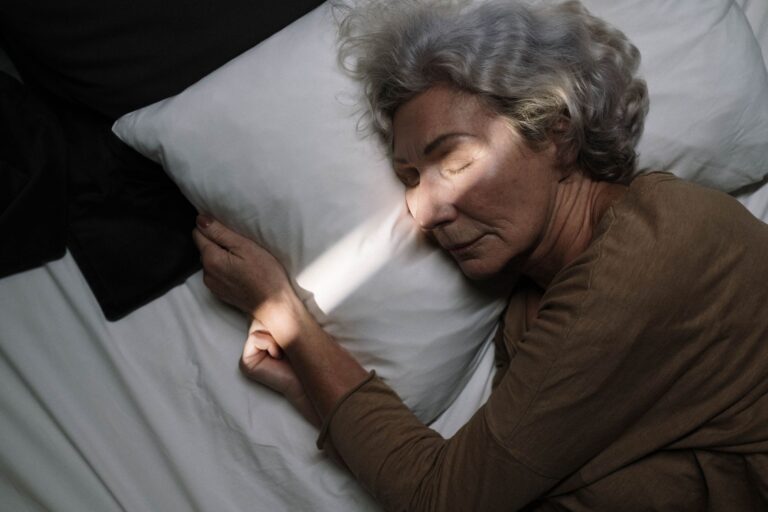
Mouth breathers who develop nasal congestion from a cold face a particular challenge: the stuffy nose forces them to breathe even more heavily through their mouth at night, disrupting sleep quality and drying out the throat and airways. Mucinex Nightshift is specifically formulated to thin mucus and reduce congestion while providing pain relief and a cough suppressant, making it a tool many mouth breathers use during the nighttime hours when congestion feels most oppressive. For a person caring for someone with dementia or cognitive decline, understanding how this medication works in the context of mouth breathing is important, since sleep disturbances can worsen confusion and agitation the following day.
Mucinex Nightshift contains guaifenesin (the expectorant that thins secretions), acetaminophen (for aches and fever), and dextromethorphan (a cough suppressant), combined specifically for nighttime use. Mouth breathers using this medication take it about 30 minutes before bed, allowing the guaifenesin to begin thinning the mucus layer so that nasal passages clear enough to breathe through the nose rather than the mouth. An example: a 68-year-old man with a common cold who breathes through his mouth at baseline takes Mucinex Nightshift at 9:30 p.m., and by 10 p.m., his nasal passages feel less blocked, allowing him to sleep without waking repeatedly to clear his throat or gasp for air through his mouth.
Table of Contents
- Why Mouth Breathers Face Worse Congestion During Colds
- How Mucinex Nightshift Reduces Congestion in Mouth Breathers
- Timing and Dosage for Nighttime Use in Mouth Breathers
- Mouth Breathers and Sleep Position During Cold Season
- Drug Interactions and Caregiver Considerations with Dementia
- Alternatives for Mouth Breathers Who Cannot Take Mucinex Nightshift
- When Congestion Indicates a More Serious Problem
- Frequently Asked Questions
Why Mouth Breathers Face Worse Congestion During Colds
Mouth breathers already have a compromised nasal breathing habit, meaning their nasal passages may be narrower, more reactive, or less often used. When a cold virus inflames the nasal lining, the swelling is more immediately noticeable and more disruptive to a mouth breather, since they have no established habit of nasal breathing to fall back on. The congestion that a nose breather might tolerate by shifting to mouth breathing becomes a compounded problem: the mouth breather is already mouth breathing, and now the blocked nose makes that worse. During sleep, this creates a vicious cycle.
Mouth breathing dries out the throat and makes mucus thicker and stickier, which worsens the sensation of congestion. Sleep fragmentation follows—the person wakes frequently, gasps, clears their throat, or experiences the unpleasant sensation of thick mucus in the back of the throat. For someone with dementia or a memory disorder, sleep disruption the previous night directly worsens cognitive function, mood, and behavior the next day. A caregiver might notice the person is more confused, irritable, or restless if they’ve slept poorly because of nighttime congestion.
How Mucinex Nightshift Reduces Congestion in Mouth Breathers
The guaifenesin in Mucinex Nightshift works by making mucus thinner and less viscous, so it drains more easily from the nasal passages and sinuses. This is different from antihistamines or decongestants, which either dry out secretions (antihistamines) or constrict blood vessels (decongestants like pseudoephedrine). For a mouth breather, thinning the mucus is often more effective than drying it out, because dried, thick mucus can feel even more obstructive and is harder to clear. A limitation of Mucinex Nightshift, however, is that it requires adequate fluid intake to work effectively.
If a person is dehydrated or not drinking enough water, the guaifenesin cannot fully thin the mucus, and the medication’s benefit is reduced. This is a particular concern for older adults and people with dementia, who may forget to drink water or may not recognize thirst. A warning: Mucinex Nightshift also contains acetaminophen, so it should not be taken with other pain relievers or fever reducers containing acetaminophen (such as Tylenol), as overdosing on acetaminophen can cause liver damage. Many over-the-counter cold medications contain acetaminophen, so a caregiver must check labels before giving this medication.
Timing and Dosage for Nighttime Use in Mouth Breathers
Mucinex Nightshift is taken as directed on the package, usually two tablets (or one caplet, depending on formulation) every 4 hours, with the last dose taken before bedtime. The “Nightshift” designation means the formulation includes sleep-aid ingredients or is simply marketed for evening use, allowing the person to take it, wait 20–30 minutes for the guaifenesin to begin working, and then go to bed. For a mouth breather, taking it 30 minutes before bed is key—this window allows the medication to start thinning mucus before sleep, so the person enters sleep with somewhat clearer passages.
A specific example: a 72-year-old woman with mild cognitive impairment catches a cold and has nasal congestion that prevents her from sleeping. Her daughter gives her Mucinex Nightshift at 9 p.m., and by 9:45 p.m., the woman reports her nose feels less stuffy and she can breathe through her nose. She falls asleep more easily and wakes fewer times during the night. The next morning, her daughter notices she is more alert and less confused than she was after the previous night’s poor sleep.
Mouth Breathers and Sleep Position During Cold Season
A practical adjustment for mouth breathers during a cold is to elevate the head of the bed by placing pillows or using a wedge pillow. This position helps drainage and reduces the feeling of congestion while lying flat. When combined with Mucinex Nightshift, the elevation makes the medication’s effect more noticeable. A mouth breather lying flat tends to feel congestion more acutely because gravity isn’t helping fluid drain from the sinuses; raising the head 30–45 degrees improves both drainage and perceived comfort.
The tradeoff is that some people find elevated sleeping positions uncomfortable or wake with neck or shoulder pain. For a person with dementia or limited mobility, adjusting the bed position might also require caregiver help and could disrupt their routine. Using a body pillow or wedge pillow designed for this purpose, rather than stacking ordinary pillows, provides better support and is less likely to cause discomfort. If the person is frail or has pressure ulcer risk, any change in sleep position should be done carefully to avoid skin breakdown.
Drug Interactions and Caregiver Considerations with Dementia
Mucinex Nightshift contains dextromethorphan (a cough suppressant), which can interact with certain psychiatric medications, particularly those affecting serotonin or monoamine oxidase inhibitors. If a person with dementia is taking an antidepressant, anti-anxiety medication, or antipsychotic, a caregiver should check with the pharmacist or physician before giving Mucinex Nightshift. In rare cases, the combination can cause a serious condition called serotonin syndrome. A warning: acetaminophen in Mucinex Nightshift is also contraindicated in people with liver disease or severe alcohol use history, so a caregiver should be aware of the person’s medical history.
Another consideration is that Mucinex Nightshift may cause drowsiness due to the sleep-aid component (often antihistamine-based in nighttime formulations), which could interact with dementia medications that already cause sedation. A person might become overly drowsy, which increases fall risk. A caregiver should monitor the person for unusual sleepiness, confusion, or difficulty walking after the first dose. If the person is on multiple medications, a pharmacist review is the safest approach before introducing Mucinex Nightshift.
Alternatives for Mouth Breathers Who Cannot Take Mucinex Nightshift
For people who cannot take Mucinex Nightshift due to contraindications or side effects, alternatives include using a humidifier in the bedroom to add moisture to the air, which helps prevent mucus from becoming too sticky. Saline nasal drops or spray can also help clear congestion without medication. These methods are particularly useful for older adults or people with dementia, since they have no drug interactions and no systemic effects.
A plain warm-water vaporizer or ultrasonic humidifier run while the person sleeps can make a noticeable difference in how stuffy a mouth breather feels. The added humidity also reduces the drying effect of mouth breathing itself. Some caregivers combine a humidifier with propping the person up in bed, creating an environment that makes nighttime congestion less intrusive even without medication. This approach requires no medication decision-making and can be used indefinitely without concern for drug interactions.
When Congestion Indicates a More Serious Problem
A caregiver should watch for signs that a cold is progressing to a secondary infection like sinusitis or pneumonia. Yellow or greenish nasal discharge, a fever lasting more than a few days, or worsening shortness of breath are warning signs that Mucinex Nightshift alone is insufficient and medical evaluation is needed. In a person with dementia, changes in behavior—increased confusion, extreme restlessness, or lethargy—can be a sign that a respiratory infection is worsening.
For mouth breathers specifically, prolonged nasal congestion can lead to sleep apnea episodes if the obstruction becomes severe. If a person is gasping awake, making choking sounds, or experiencing very long pauses in breathing during sleep, a healthcare provider should assess whether sleep apnea is developing. Mucinex Nightshift helps with congestion from a cold, but it does not address structural problems like a deviated septum or chronic nasal obstruction, which may require separate evaluation if congestion persists after the cold resolves.
Frequently Asked Questions
Can Mucinex Nightshift be given to someone with dementia?
Yes, but a caregiver should first check with the pharmacist or physician about any medication interactions, particularly with psychiatric or dementia medications. The acetaminophen and dextromethorphan content must be verified against other medications the person is taking.
How long does Mucinex Nightshift take to work?
Most people notice improved drainage and reduced congestion within 20–30 minutes. For best results in a mouth breather, take it 30 minutes before bed so the benefit is already present at sleep onset.
Is a humidifier better than Mucinex Nightshift for a mouth breather with a cold?
They work differently. Mucinex Nightshift actively thins mucus, while a humidifier prevents mucus from becoming thicker. Many caregivers use both together—the humidifier adds moisture, and the medication helps drainage—for the best nighttime comfort.
What if the person has liver disease or takes other pain relievers?
Mucinex Nightshift contains acetaminophen, so it cannot be safely combined with other acetaminophen products. If the person has liver disease, acetaminophen should be avoided entirely. Ask a pharmacist to review the person’s medication list before use.
Can a mouth breather use Mucinex Nightshift every night?
It is designed for occasional use during a cold or acute congestion, not daily long-term use. If congestion persists beyond 7–10 days, or if the person develops mouth breathing year-round, a healthcare provider should evaluate for chronic nasal obstruction or sleep apnea.
Should the head of the bed be elevated when using Mucinex Nightshift?
Elevating the head 30–45 degrees helps drainage and enhances the medication’s effect. For a mouth breather, this positioning combined with Mucinex Nightshift provides the best chance of sleeping with nasal airflow rather than mouth breathing.