Keep about 3–5 interest-matched picture books on hand plus one personal photo or life-story book. Rotate extra titles in and out as interests and dementia stage change. Picture books here mean heavily illustrated books with short captions for shared looking. Middle-stage and late-stage needs differ, so rotation matters more than total count.
Medical information disclaimer: This article is for general educational purposes only and does not provide medical advice, diagnosis, or treatment. Always consult a physician or other qualified health professional about symptoms, medications, tests, or treatment decisions.
Table of Contents
- Why stage matters more than a number
- What helps in the middle stage?
- What changes in the late stage?
- How to build a small rotating collection
Why stage matters more than a number
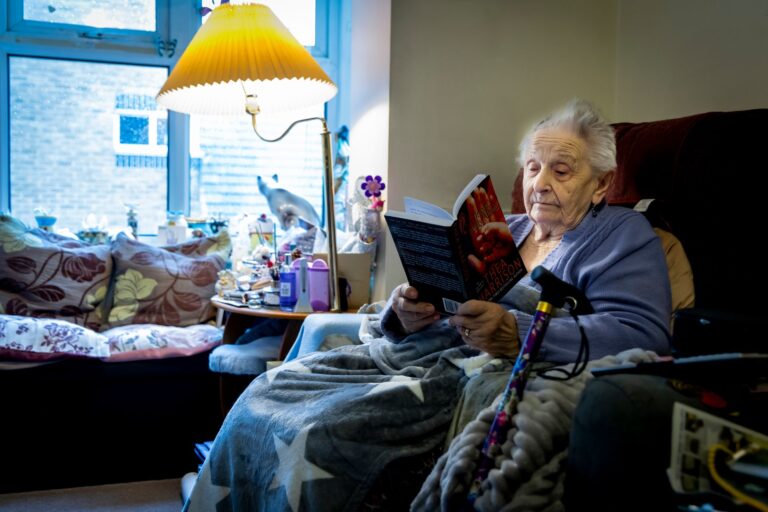
No dementia authority prescribes an exact number. ReaDementia advises caregivers to match book type to dementia stage, personal interests, and reading ability, and to rotate titles in ReaDementia's guide to reading to a person with dementia.
That fit matters because dementia can impair remembering what was read, understanding words, and concentrating. Health and Social Care Northern Ireland guidance, citing Alzheimer's Society UK, therefore points caregivers toward picture and photograph books plus larger print.
What helps in the middle stage?
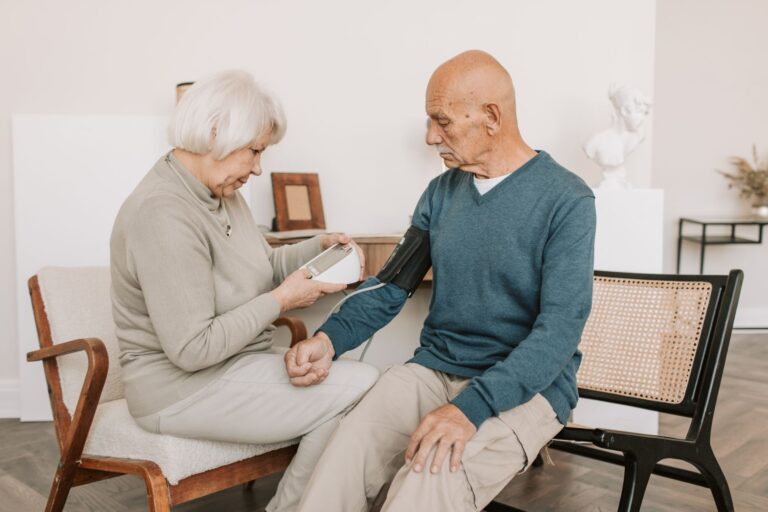
For middle-stage dementia, caregivers are advised to sit with the person and share heavily illustrated books with images and simple descriptions to prompt memory and conversation, according to A Place for Mom's books for dementia patients guide. Pick familiar topics, such as pets, food, travel, or a past hobby. When long text becomes hard to follow, ReaDementia, summarizing the Alzheimer's Society, notes that shorter stories, picture books, audiobooks, and reading aloud together are easier alternatives.
What changes in the late stage?
For late-stage dementia, A Place for Mom recommends even simpler visual books. Photo collections and largely wordless picture books work best.
At this stage, use assisted looking rather than independent reading. Sit close, turn pages slowly, name one clear image, and pause for a response.
How to build a small rotating collection
A dementia-specific line, Pictures to Share, offers 12 different titles, a sign that a practical home set stays small and topic-based. Studies measure engagement and connection rather than books per caregiver, so a core of 3–5 books is a practical judgment rather than a prescription, notes the Guille-Allès Library Reading Well summary. Swap one title at a time when attention fades, interests shift, or text feels too dense.
- Keep 3–5 picture books matched to current interests and reading ability.
- Add one personalized photo album or life-story book for shared reminiscence.
- Borrow the rest: the Reading Well dementia collection holds 20 titles in England and 21 in Wales for free public-library loan, reports Caring Times for The Reading Agency in its charity dementia reading-list report.
- A USC and Weill Cornell Medicine trial of Living Memory Home, using photo albums and autobiographical prompts, found collaborative reminiscence reduced pre-death grief and improved patient-caregiver connection, reports the USC Leonard Davis School in its digital reminiscence report.