
Reviewed by the Help Dementia Editorial Team — our editors review every article for accuracy against guidance from the National Institute on Aging, the Alzheimer’s Association, and peer-reviewed sources.
Someone live sits at the center of this dementia and brain health question.
The average person diagnosed with dementia lives 8 to 10 years after diagnosis, though this timeline varies dramatically from person to person. Some individuals progress quickly and pass within 3 to 4 years, while others live 15 to 20 years or longer with the disease. The actual lifespan depends on the type of dementia, the person’s age at diagnosis, overall health, genetic factors, and the quality of care they receive. For example, someone diagnosed with Alzheimer’s disease at age 65 might live differently than someone diagnosed at 80, even with the same disease progression.
Dementia itself doesn’t directly kill a person—instead, it damages the brain in ways that eventually affect the body’s ability to function. As dementia progresses, it impacts a person’s ability to swallow, remember to eat, fight infections, and regulate body temperature. These secondary effects are usually what leads to death, not the dementia diagnosis itself. Understanding the typical progression and life expectancy can help families plan care, make medical decisions, and prepare emotionally for the journey ahead.
Table of Contents
- What’s the Typical Lifespan After a Dementia Diagnosis?
- How Do Different Types of Dementia Affect Survival Time?
- What Role Does Overall Health Play in Dementia Lifespan?
- How Can Families Plan for the Long-Term Journey?
- What Are the Most Common Causes of Death in Dementia?
- How Does Care Setting Influence Lifespan?
- What Does the Future Hold for Dementia Care and Lifespan?
- Conclusion
What’s the Typical Lifespan After a Dementia Diagnosis?
Research shows that dementia survival rates follow a pattern, but with considerable variation. People in early-stage dementia might live 2 to 7 years with relatively preserved function, while those in middle stages may live 2 to 10 years with increasing dependency. Late-stage dementia typically lasts 1 to 3 years, as the body becomes less able to sustain itself. A person diagnosed at a younger age (say, 60) might live longer with dementia than someone diagnosed at 85, partly because they have more physiological reserve and fewer competing health conditions.
Age at diagnosis is one of the strongest predictors of lifespan. A 65-year-old diagnosed with Alzheimer’s might have a different life expectancy than an 80-year-old with the same disease, even if the progression seems similar. Someone diagnosed in their 70s might have 7 to 12 years, while someone diagnosed in their 90s might have 3 to 5 years. This doesn’t mean younger people “decline faster”—rather, older people often have other health issues (heart disease, kidney problems, diabetes) that can complicate dementia and shorten the timeline.

How Do Different Types of Dementia Affect Survival Time?
Not all dementias progress the same way or at the same speed. Alzheimer’s disease, the most common form, typically involves a slower, gradual decline over 8 to 12 years from diagnosis. Vascular dementia, caused by reduced blood flow to the brain, can be unpredictable—some people decline rapidly, while others plateau for years. Frontotemporal dementia tends to progress more aggressively, often shortening lifespan to 5 to 8 years.
Lewy body dementia falls somewhere in the middle but carries additional risks because of its effects on movement and autonomic nervous system function. One important limitation is that these timelines are averages based on research, not predictions for any individual. Someone with early-stage Alzheimer’s might defy expectations and live 20 years, while another person progresses to late-stage dementia in 5. Genetic factors, lifestyle, and comorbid conditions create enormous variation. A person with Alzheimer’s who also has untreated high blood pressure or diabetes might have a shorter lifespan than someone with well-managed health conditions, even if their dementia severity is similar.
What Role Does Overall Health Play in Dementia Lifespan?
A person’s broader health status dramatically influences how long they live with dementia. Someone with dementia who maintains good cardiovascular health, manages diabetes, and has no infections may live longer than someone whose dementia is accompanied by heart disease, chronic respiratory issues, or frequent infections. For example, a 75-year-old with Alzheimer’s and otherwise good health might live 10 years, while a 75-year-old with Alzheimer’s plus congestive heart failure might live 5 to 7 years. Nutritional status and the ability to eat become critical in the later stages of dementia.
As dementia progresses, people may forget how to swallow, refuse food, or lose interest in eating. Weight loss and malnutrition accelerate decline. Someone who receives skilled feeding support, regular medical care, and proactive treatment of infections (pneumonia, urinary tract infections) typically lives longer than someone without these interventions. However, aggressive medical interventions in late-stage dementia don’t always extend quality of life, which is why many families choose comfort-focused care instead.

How Can Families Plan for the Long-Term Journey?
Planning for dementia’s progression requires understanding both the medical and practical aspects of caregiving. Early-stage dementia might last 2 to 7 years, during which a person can often remain at home with support and maintain relationships. Middle-stage dementia, which typically lasts 2 to 10 years, requires increasing help with daily activities and may mean transitioning to adult day programs or eventually residential care. Late-stage dementia, usually 1 to 3 years, demands around-the-clock care and focuses on comfort rather than medical intervention.
The tradeoff families face is between life extension and quality of life. Hospitalizing someone in late-stage dementia for aggressive treatment (feeding tubes, respirators) might add weeks or months to their lifespan but often increases suffering and reduces dignity. Many dementia care experts and palliative care specialists recommend a goals-of-care conversation early in the disease, when the person can still participate, to clarify whether the focus should be on extending life or maximizing comfort. Families who make these decisions proactively, rather than in crisis moments, report lower stress and better alignment with the person’s values.
What Are the Most Common Causes of Death in Dementia?
Dementia itself doesn’t directly kill—complications do. Pneumonia (often called “the old person’s friend” because it ends suffering relatively peacefully) is one of the most common causes of death in advanced dementia. As swallowing becomes impaired, food and saliva can enter the lungs, causing aspiration pneumonia. Urinary tract infections, which can progress to sepsis, are another frequent cause. Some people die from stroke or heart attack, especially those with vascular dementia.
Others succumb to infections after falling or developing pressure sores. A critical limitation to understand: medical interventions can extend life but may not improve quality. Someone in late-stage dementia with pneumonia could receive antibiotics and mechanical ventilation, potentially surviving weeks longer, but would spend that time sedated in an ICU. Alternatively, comfort care—keeping the person pain-free, maintaining hygiene, providing gentle companionship—allows natural death while preserving dignity. This choice is deeply personal and should reflect the person’s wishes, their religious or cultural values, and their definition of a good ending.
How Does Care Setting Influence Lifespan?
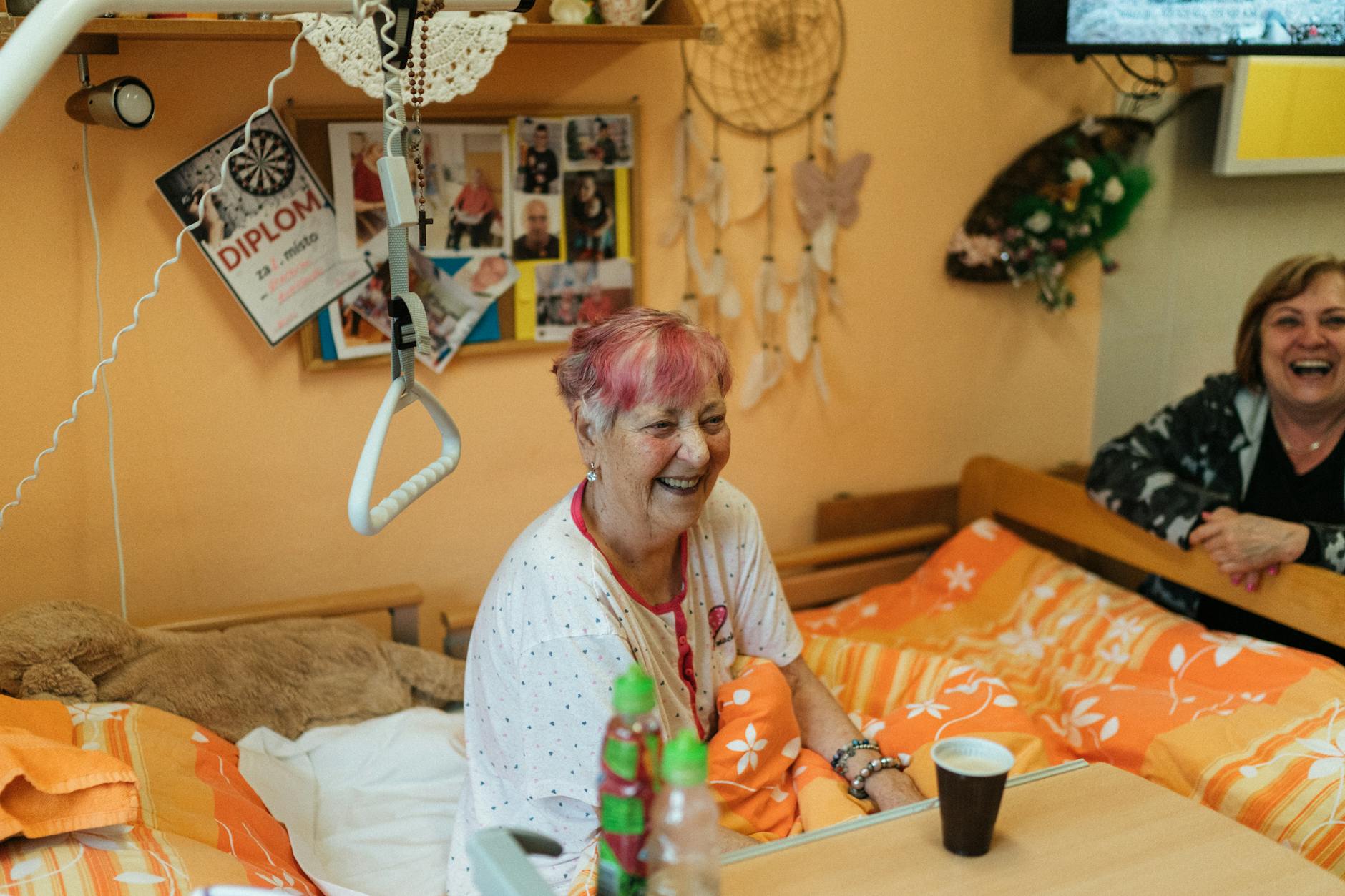
The environment where someone lives can affect both quality and length of life with dementia. People cared for at home, where they’re surrounded by familiar people and routines, sometimes experience slower decline in cognition and mood compared to those in unfamiliar care settings. However, home care requires significant resources—either family caregivers or paid help—and not every home can be safely adapted for late-stage dementia care.
Nursing homes and memory care facilities provide professional medical oversight and structured activities but can feel isolating for some people. Studies on care setting and lifespan show mixed results, likely because the people who stay home longer tend to have more family support and fewer complicating health conditions, not because home care itself extends life. What’s clearer is that environments with consistent staffing, social engagement, and meaningful activity tend to preserve cognition and mood longer than institutional settings with high staff turnover and minimal engagement. A person in a quality assisted living facility with activities, music, and one-on-one attention might maintain better quality of life than someone at home but isolated.
What Does the Future Hold for Dementia Care and Lifespan?
Emerging research on disease-modifying treatments offers cautious hope that future interventions might slow cognitive decline or extend the healthy years before dementia symptoms appear. Medications like lecanemab (Leqembi) and donanemab show modest benefits in early-stage Alzheimer’s when started very early, potentially delaying progression by 4 to 5 months—not a cure, but meaningful for those who respond. As more treatments reach the market, the question of lifespan becomes more complex: if treatments slow decline, do people live longer with dementia, or do they live longer without symptom onset? The answer will depend on whether these drugs truly halt the disease or merely slow it.
Looking forward, better diagnostics that catch cognitive changes earlier, combined with preventive measures (managing cardiovascular health, cognitive engagement, quality sleep, social connection), may shift the dementia timeline toward later onset and slower progression. Advances in palliative care, including better pain and symptom management in late stages, should also improve how people live their final years with dementia. The focus is increasingly moving from “how long” to “how well”—supporting people to maintain dignity, connection, and comfort for as long as possible.
Conclusion
There’s no single answer to how long someone can live with dementia because the timeline depends on too many individual factors: the type of dementia, age at diagnosis, overall health, genetics, and the quality of care received. Most people live 8 to 10 years after diagnosis, but the range is wide—some live 3 to 4 years, others 15 to 20 or more. What matters most is understanding that dementia is a progressive disease requiring planning, compassionate care, and honest conversations about goals and values.
If you or a family member has been diagnosed with dementia, work with healthcare providers to understand what to expect, create a care plan that honors the person’s preferences, and prepare emotionally for the journey. Support groups, palliative care specialists, and dementia-care organizations can provide guidance for the months and years ahead. Dementia is challenging, but many families find meaning in the time they have together and take comfort in providing dignified, compassionate care.
You Might Also Like
- Can a Morning Routine Reduce Dementia Risk?
- Why Someone With Dementia May Still Score Well on the MMSE
- Can a MoCA Test Diagnose Dementia?
For more, see NIH MedlinePlus — dementia.





